Chapter 71: Industry 4.0 to Industry 5.0 |
Summary |
This chapter examines the ongoing transition from Industry 4.0 to Industry 5.0 in industrial manufacturing. Industry 4.0, with its emphasis on automation, connectivity, and data-driven efficiency, has reshaped production across sectors. However, it has also revealed limitations: a tendency to treat human workers as residual elements to be minimized, insufficient attention to environmental sustainability, and brittleness in the face of supply chain shocks. Industry 5.0 responds to these shortcomings by repositioning human well-being, ecological responsibility, and systemic resilience as co-equal objectives alongside productivity. The chapter first clarifies the conceptual distinction between the two paradigms, then illustrates the transition through concrete applications in aerospace, automotive, electronics, food processing, healthcare, and logistics. It discusses the enabling technologies---collaborative robots, artificial intelligence, digital twins, and additive manufacturing---not as ends in themselves but as instruments for achieving human-centric and sustainable outcomes. The chapter also addresses practical barriers including workforce skills gaps, legacy system integration, and cybersecurity concerns. It concludes with a detailed summary of the transition's implications for manufacturers, workers, and policymakers, arguing that Industry 5.0 represents not a rejection of Industry 4.0's technological achievements but a reorientation of those achievements toward broader societal goals. |
|
1. Introduction: Why the Transition Matters |
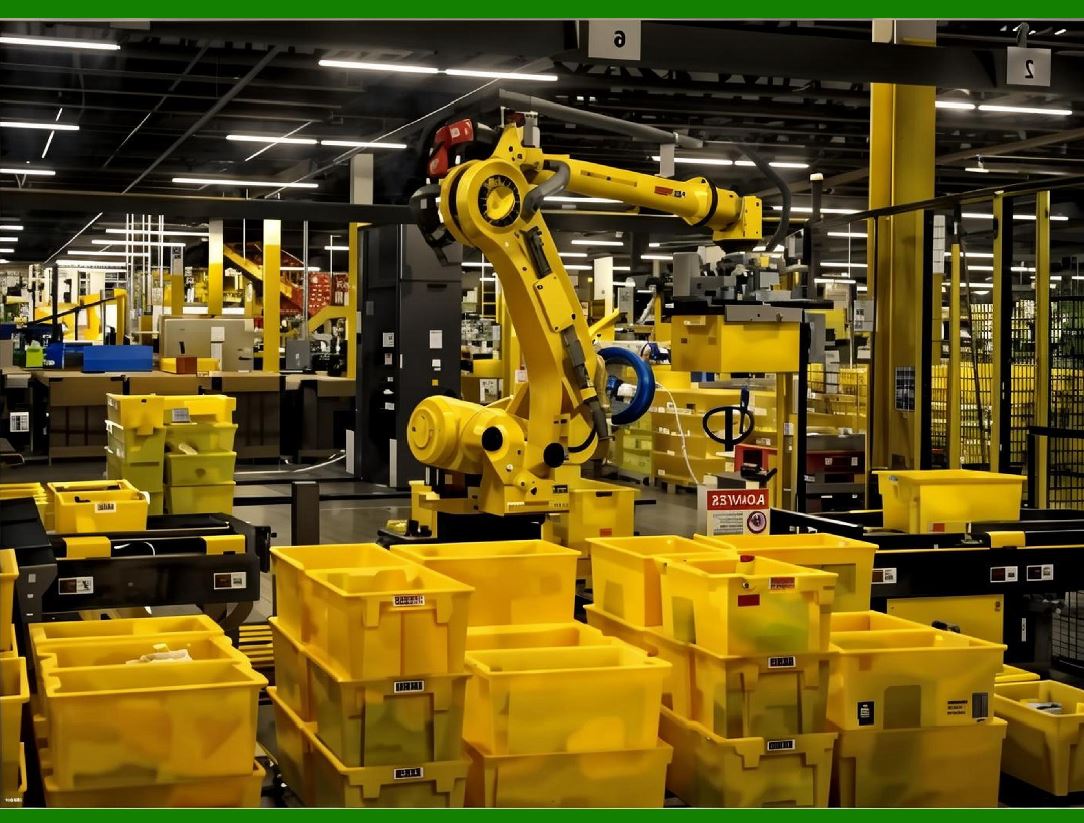
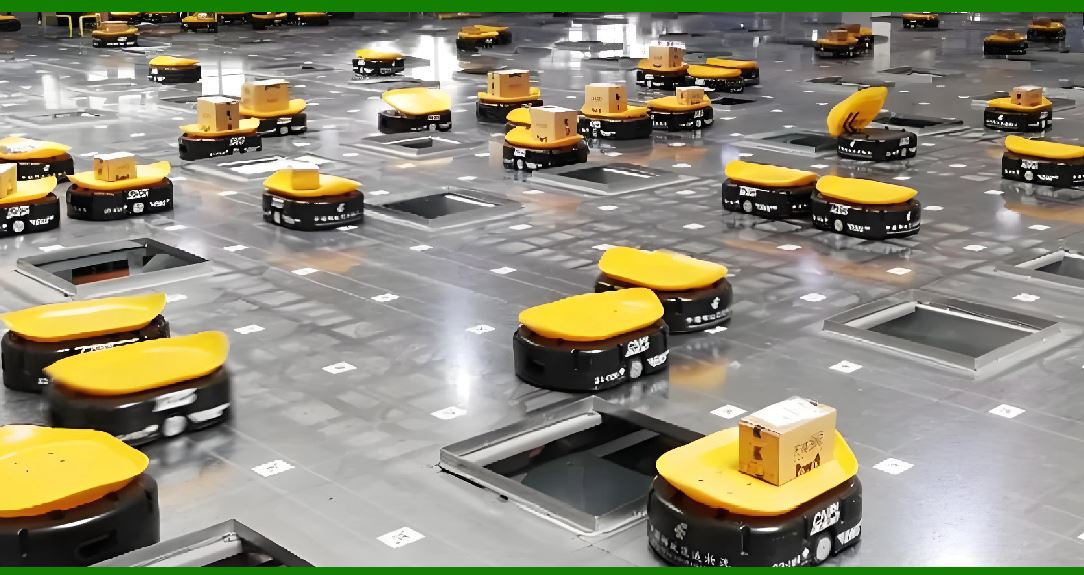
For roughly a decade, Industry 4.0 served as the organizing principle for industrial modernization. Its vocabulary---cyber-physical systems, the Internet of Things, cloud manufacturing, big data analytics---became synonymous with competitive manufacturing. The promise was compelling: connect machines, collect data, automate decisions, and watch efficiency climb. Factories that embraced these principles achieved remarkable gains in throughput, quality consistency, and cost reduction. Automated guided vehicles moved materials without human intervention. Predictive maintenance algorithms flagged bearing failures before they caused downtime. Digital dashboards gave managers real-time visibility into every stage of production. |
Yet as the fourth industrial revolution matured, its limitations became increasingly visible. The efficiency-centric model of Industry 4.0 treated human workers primarily as costs to be minimized or functions to be automated away . It paid limited attention to the environmental footprint of expanded production. And it produced systems that, while efficient under stable conditions, proved fragile when confronted with disruption. The COVID-19 pandemic exposed the brittleness of globally optimized but geographically concentrated supply chains. Energy price volatility revealed the vulnerability of manufacturing systems designed without sustainability as a design constraint. Workforce shortages in skilled trades demonstrated that automation without parallel investment in human capability creates new bottlenecks. |
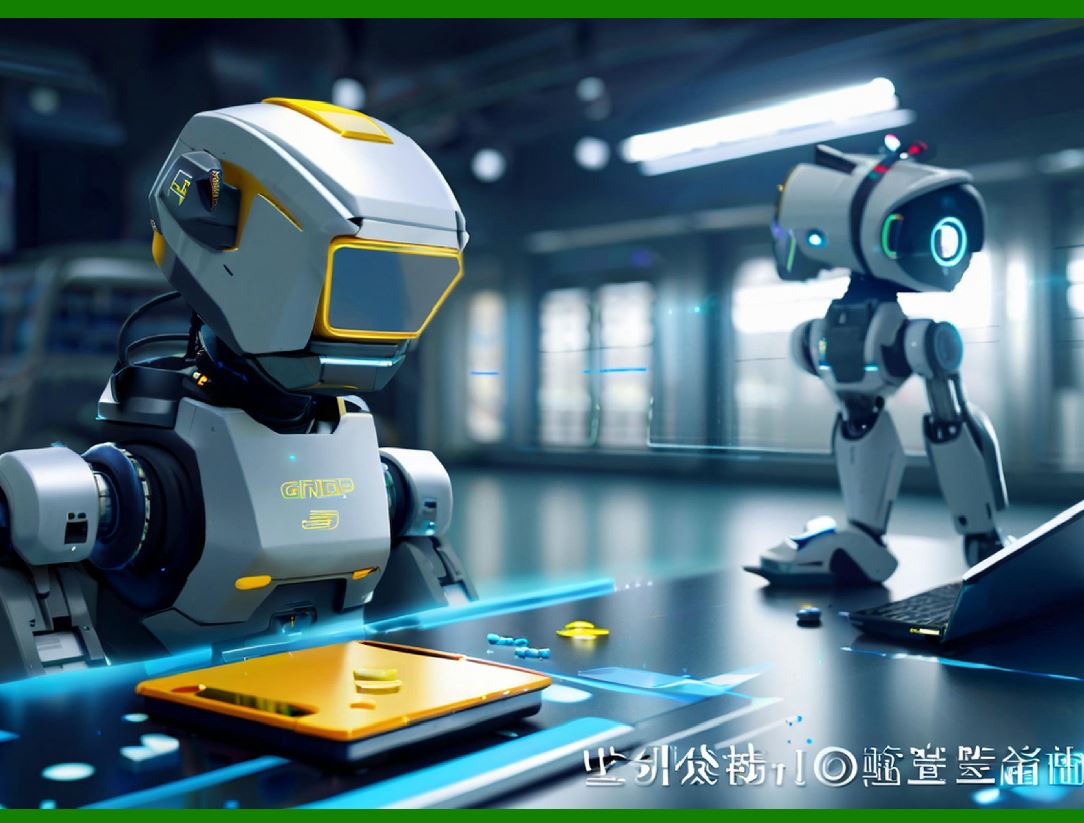
Industry 5.0 emerged as a corrective. Formally introduced by the European Commission in 2020, the concept articulated three pillars: human-centricity, sustainability, and resilience . Rather than replacing Industry 4.0's technologies, Industry 5.0 reorients their deployment. Collaborative robots are valued not merely for flexibility but for their capacity to reduce physical strain on workers. Artificial intelligence is assessed not only for its predictive accuracy but for whether it augments rather than surveils human judgment. Digital twins are evaluated not simply for their simulation fidelity but for their contribution to resource efficiency and circular material flows. |
The distinction between the two paradigms is sometimes caricatured as a rejection of automation. This misreading obscures the actual relationship. Industry 5.0 depends on Industry 4.0's technological infrastructure. Without ubiquitous sensing, high-bandwidth connectivity, and sophisticated data analytics, the human-centric and sustainable objectives of Industry 5.0 would remain aspirational. The transition is therefore additive rather than substitutive: it retains the efficiency gains of digital manufacturing while embedding them within a broader value framework . |
This chapter proceeds through the major industrial sectors where the transition is most visible. It examines how aerospace manufacturers reconcile zero-defect requirements with human skill preservation, how food processors deploy automation to reduce waste while improving worker safety, how healthcare manufacturers personalize medical devices without sacrificing regulatory compliance, and how logistics operations balance productivity with ergonomic well-being. Each example illustrates a common pattern: the technology is familiar from Industry 4.0, but the design intent has shifted. |
|
2. Conceptual Foundations: From Efficiency to Human-Centric Resilience |
Before examining sector-specific applications, it is useful to clarify what distinguishes Industry 5.0 thinking from its predecessor at the level of system design. Four dimensions are particularly instructive: the role of the human worker, the treatment of environmental impact, the approach to system resilience, and the definition of success itself. |
2.1 The Human Worker: From Residual to Central |
In the Industry 4.0 paradigm, the ideal factory was often imagined as a lights-out facility where humans were absent except for occasional maintenance. This vision proved both impractical and undesirable. Impractical because many tasks---particularly those involving variability, judgment, and fine motor adaptation---remain resistant to automation. Undesirable because human workers bring capabilities that machines still cannot replicate: contextual reasoning, ethical judgment, creative problem-solving, and social coordination . |
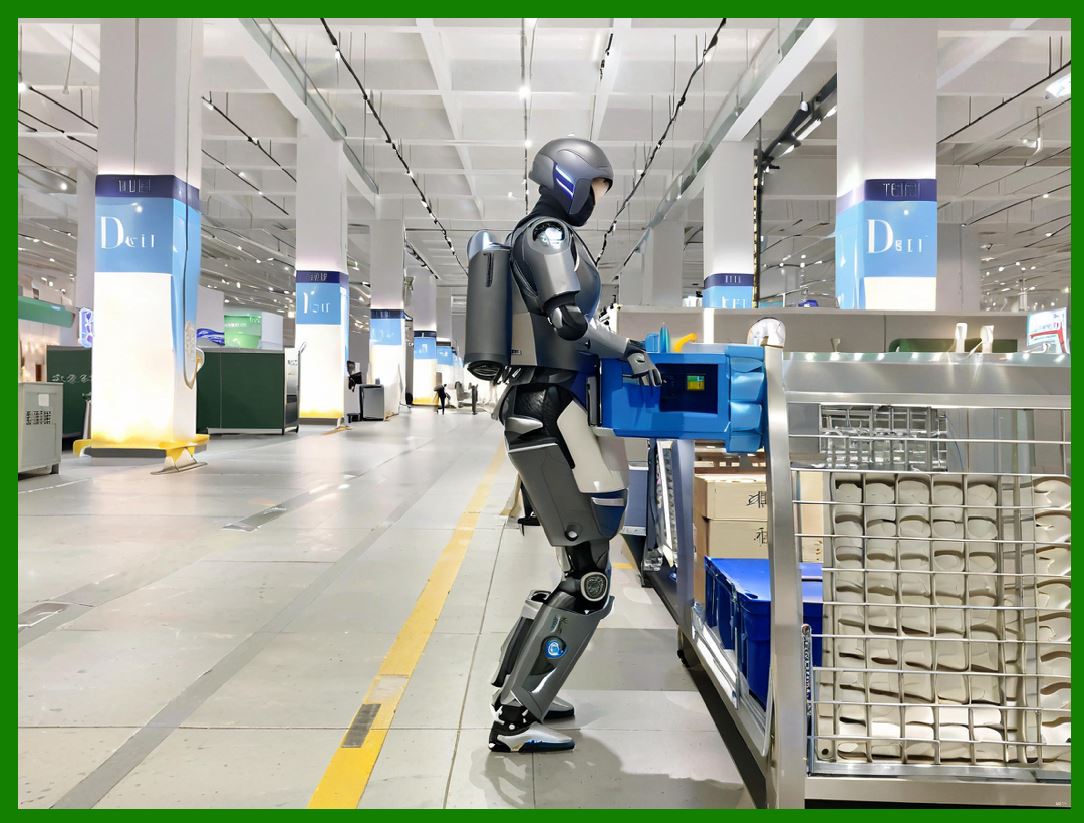
Industry 5.0 reframes the human not as a residual category but as a design principle. Human-centric manufacturing asks: how can technology be designed to enhance human capability, safety, and satisfaction rather than simply replace human laborThis question leads to concrete design choices. A collaborative robot arm might be programmed to hand a heavy component to a worker at an ergonomically optimal height, reducing musculoskeletal strain while keeping the worker in control of alignment and inspection . An augmented reality interface might display assembly instructions in the worker's field of view, eliminating the cognitive burden of consulting paper manuals or turning to a screen. An AI scheduling system might account for individual worker fatigue levels and task rotation preferences, not merely for machine utilization rates. |
The distinction matters most in tasks that are repetitive but not fully automatable. Automotive assembly, electronics manufacturing, and logistics sorting all involve high-volume operations where full automation is technically possible but economically impractical for certain variants or batch sizes. In these contexts, Industry 5.0 design means optimizing the human-robot division of labor for long-term workforce health rather than short-term labor cost reduction. |
2.2 Sustainability: From Compliance to Design Constraint |
Industry 4.0 treated environmental performance largely as a regulatory burden to be managed. Energy efficiency was pursued when it reduced operating costs. Emissions were controlled to meet legal limits. Waste was minimized where disposal was expensive. Sustainability, in short, was a constraint imposed from outside the production system. |
Industry 5.0 internalizes sustainability as a design objective. This shift is visible in several concrete practices. Circular economy principles---designing products for disassembly, remanufacturing, and material recovery---move from niche experiments to mainstream consideration . Digital twins are used not only to optimize throughput but to simulate the energy and material implications of alternative production schedules. Additive manufacturing is evaluated for its capacity to reduce material waste in high-value components, not merely for its prototyping convenience . |
The food industry illustrates this shift with particular clarity. Food processing generates substantial organic waste, consumes significant water and energy, and depends on agricultural supply chains vulnerable to climate variability. Industry 5.0 applications in food manufacturing include smart sensors that monitor spoilage indicators in real time, enabling dynamic routing decisions that reduce waste; predictive analytics that align production volumes with demand forecasts to avoid overproduction; and packaging innovations that extend shelf life without increasing material intensity . These are not merely efficiency measures. They represent a reconceptualization of the production system as embedded within ecological limits rather than operating in isolation from them. |
2.3 Resilience: From Optimization to Adaptability |
Resilience is perhaps the most practically urgent of the three pillars. Industry 4.0's pursuit of lean production and global supply chain optimization produced systems of remarkable efficiency under normal conditions and remarkable fragility under stress. The pandemic demonstrated that just-in-time inventory systems, while cost-effective, could not absorb the shocks of border closures, port congestion, and demand volatility. |
Industry 5.0 treats resilience as a design property to be cultivated rather than a fortunate byproduct of redundancy. This means, among other things, investing in supply chain visibility that extends beyond tier-one suppliers. It means designing production systems that can be rapidly reconfigured to produce different product variants or substitute materials. And it means recognizing that human workers are themselves a source of resilience: a flexible, skilled workforce can adapt to circumstances that would stall a fully automated line. |
The resilience pillar also connects to the human-centric pillar in ways that are sometimes overlooked. A workforce suffering from high turnover, fatigue, and low morale is not a resilient workforce. Conversely, investments in training, ergonomics, and worker voice contribute to the adaptive capacity of the enterprise as a whole . Resilience, in this sense, is not merely a technical property of supply chains and production systems. It is a socio-technical property that depends on the capabilities and commitment of people. |
|
3. Applications in Aerospace Manufacturing |
Aerospace manufacturing presents an instructive case because its characteristics might seem to resist the Industry 5.0 transition. Production volumes are low, product complexity is extreme, regulatory oversight is intense, and many tasks have traditionally relied on highly skilled manual labor. Yet these very characteristics make the aerospace sector a fertile ground for human-centric collaborative automation. |
3.1 The Problem with Full Automation in Aerospace |
Unlike automotive assembly, where high-volume repetitive tasks justify the capital investment of fixed automation, aerospace production involves bespoke components, frequent design changes, and tolerances measured in microns. Large structural components---some exceeding thirty meters in length---are impractical to position with conventional fixtures. The workforce is highly trained, often with decades of experience in specific assembly processes. Attempting to automate such work fully would be economically prohibitive and technically fragile. |
At the same time, aerospace manufacturing involves tasks that are physically demanding and ergonomically challenging. Drilling and riveting operations on large airframe sections require workers to manipulate heavy tools in awkward positions for extended periods. Quality inspection of complex geometries demands sustained visual attention that is difficult to maintain over long shifts. These are precisely the conditions where collaborative robotics can add value without displacing human expertise . |
3.2 Collaborative Robots in Airframe Assembly |
The aerospace industry's adoption of collaborative robots illustrates the Industry 5.0 pattern: technology deployed to augment rather than replace. Cobots equipped with vision systems and force sensing can perform drilling operations with sub-millimeter precision, but they are typically programmed to work alongside human operators rather than autonomously. The human worker positions the cobot, selects the drilling sequence, and inspects the result. The cobot absorbs the physical burden of holding and guiding the drill, reducing vibration exposure and musculoskeletal strain. |
This division of labor has several advantages over either fully manual or fully automated approaches. The human retains responsibility for judgment-intensive decisions: interpreting engineering drawings, assessing hole quality, deciding whether a deviation requires rework. The cobot handles the repetitive physical execution. The result is higher quality consistency than manual drilling alone, without the inflexibility of a fixed automation cell. When design changes occur---as they frequently do in aerospace---the human-cobot team can adapt without extensive reprogramming. |
Mobile manipulators extend this principle to larger assemblies. Rather than moving a thirty-meter fuselage section to a fixed robot, a mobile robot moves to the fuselage. This eliminates the need for massive positioning fixtures and enables more flexible production layouts. The human worker directs the mobile manipulator to the work location, confirms the task specification, and monitors the operation. The robot provides reach, strength, and precision; the human provides context, judgment, and exception handling . |
3.3 Augmented Reality and Human Digital Twins |
The aerospace sector has also pioneered the use of augmented reality interfaces that support human-centric workflows. In a typical application, a technician wearing AR glasses sees assembly instructions overlaid on the physical component, with step-by-step guidance, torque specifications, and inspection criteria displayed in the field of view. The system can detect when a step has been completed and advance automatically, eliminating the need for manual confirmation. |
More advanced systems incorporate what researchers call human digital twins: computational models of individual worker capabilities, fatigue states, and task performance histories. These models can inform scheduling decisions---for example, rotating workers between tasks to prevent repetitive strain---and can trigger real-time interventions if sensor data indicates elevated fatigue or error risk . The ethical design of such systems is critical. A human digital twin that is used to surveil and pressure workers would violate the human-centric principle. Used appropriately, it becomes a tool for protecting worker health and matching task assignments to individual capabilities. |
The aerospace case demonstrates that Industry 5.0 is not a synonym for 'less automation.' It is a reorientation of automation toward objectives that include worker well-being and long-term capability preservation alongside productivity. |
|
4. Applications in Automotive and Electronics Manufacturing |
The automotive and electronics sectors were early adopters of Industry 4.0 technologies. Their high-volume production environments, standardized processes, and relatively stable product architectures made them ideal candidates for automation, IoT sensing, and data-driven optimization. They are now also among the first sectors to grapple with the transition to Industry 5.0, precisely because the limitations of efficiency-centric automation are most visible at scale. |
4.1 The Fatigue and Error Problem in Automotive Assembly |
Automotive final assembly remains surprisingly labor-intensive despite decades of automation. Tasks such as wire harness routing, interior trim installation, and fluid filling involve variability and dexterity that robots still struggle to match economically. These tasks are also physically demanding: workers may install dozens of identical components per shift, leading to repetitive strain injuries, fatigue-related errors, and high turnover. |
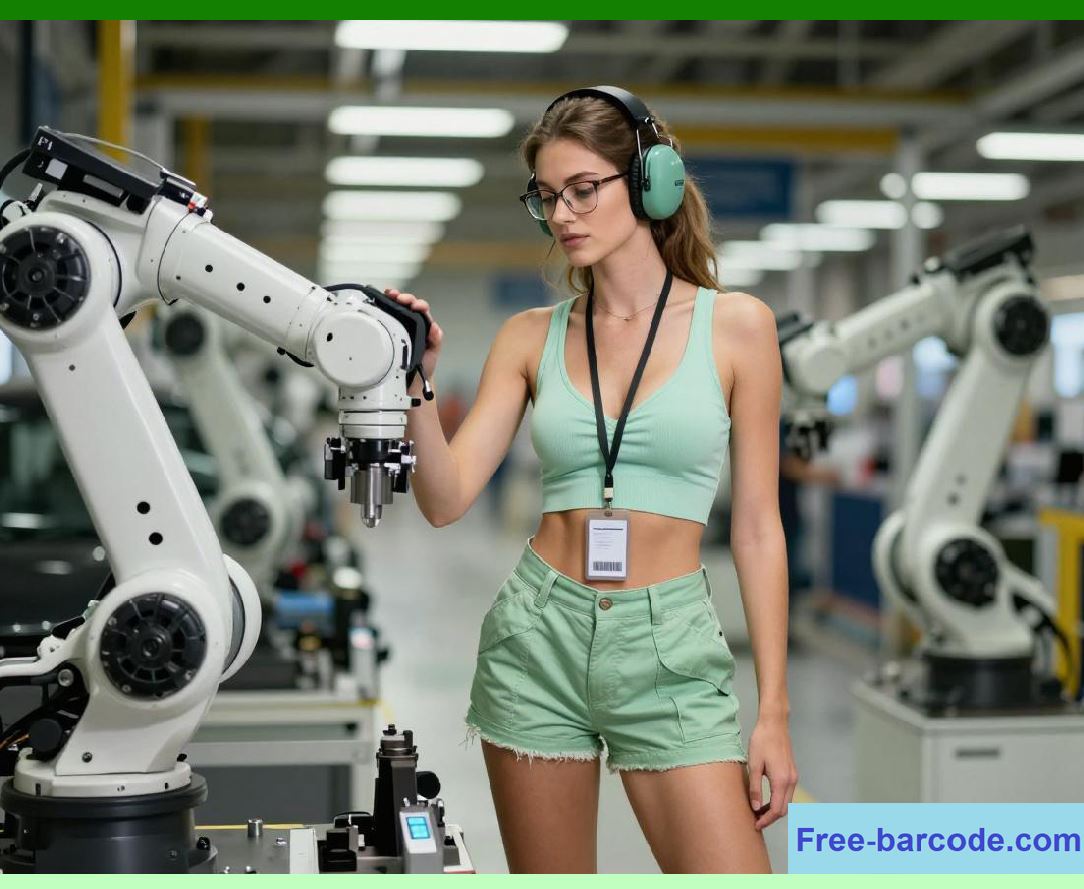
Industry 5.0 approaches to this problem combine collaborative robotics with physiological sensing. In one configuration, a cobot lifts and positions a heavy component---a seat frame, a battery module, a dashboard assembly---while the human worker performs the connection and verification tasks that require judgment and fine motor control. The cobot's force sensors detect unexpected contact and stop immediately, ensuring safety without the need for physical barriers. The human remains in control of the task sequence and quality decisions. |
More advanced implementations incorporate real-time physiological monitoring. Wearable sensors track heart rate variability, muscle activity, and posture, feeding data to an AI system that adjusts the cobot's behavior accordingly. If the system detects signs of fatigue, it might slow the cobot's movements, suggest a task rotation, or prompt a rest break. This is not surveillance in the disciplinary sense; it is a form of technological care that treats the worker's physical capacity as a resource to be sustained rather than depleted . |
4.2 Electronics Manufacturing: Precision and Human Judgment |
Electronics manufacturing presents a different profile. Many assembly tasks---surface-mount component placement, solder joint inspection, final test---are already highly automated. The human role is concentrated in exception handling, rework, and quality assurance. These are tasks that require visual acuity, pattern recognition, and judgment that current AI systems can support but not fully replicate. |
Industry 5.0 applications in electronics focus on augmenting these human capabilities. AI-powered inspection systems can flag potential defects for human review, reducing the cognitive load of sustained visual inspection while keeping the final decision with the human operator. Augmented reality microscopes can overlay reference images and measurement data onto the live view, helping technicians identify subtle deviations. Collaborative robots can present components for inspection at optimal viewing angles, reducing neck and eye strain. |
The electronics sector also illustrates the workforce implications of the transition. As routine assembly tasks become more automated, the demand shifts toward technicians who can supervise automated systems, interpret diagnostic data, and perform complex rework. This is not a trivial transition. It requires investment in training and a recognition that the skills required for Industry 5.0 are different from---not merely higher versions of---the skills required for manual assembly . |
4.3 The Automotive Case: Battery Manufacturing and Sustainability |
The shift toward electric vehicles has made automotive manufacturing a focal point for the sustainability pillar of Industry 5.0. Battery cell production is energy-intensive and involves materials with significant environmental and ethical supply chain implications. Manufacturers are deploying digital twins of battery production lines to optimize energy consumption, reduce scrap rates, and trace material provenance. These are Industry 4.0 technologies---sensing, simulation, data analytics---but deployed with sustainability as a primary objective rather than a secondary benefit. |
Worker safety in battery manufacturing also illustrates the human-centric dimension. Some battery chemistries involve hazardous materials, and the production environment requires strict contamination controls. Collaborative robots can perform tasks in controlled atmospheres where human presence would require cumbersome protective equipment, while humans supervise from outside the enclosure. This is not simply automation for labor cost reduction; it is automation that removes workers from hazardous conditions while preserving their supervisory and decision-making roles. |
|
5. Applications in Food Processing and Agriculture |
The food industry offers perhaps the most vivid illustration of the Industry 5.0 transition because it sits at the intersection of all three pillars. Food production must be efficient enough to feed growing populations, sustainable enough to operate within ecological limits, resilient enough to withstand climate and supply chain shocks, and humane enough to provide safe and dignified work for millions of people. |
5.1 Reducing Waste through Smart Sensing and Analytics |
Food waste is a systemic problem with environmental, economic, and ethical dimensions. In processing facilities, waste occurs at multiple points: raw material spoilage, trim loss, overproduction relative to demand, and rejection of products that fail quality specifications. Industry 4.0 technologies---IoT sensors, computer vision, predictive analytics---can address each of these points, but Industry 5.0 framing changes how they are deployed. |
Consider a poultry processing line. Computer vision systems can inspect carcasses for defects and sort them automatically, a task that was historically performed by human inspectors in cold, wet conditions. An Industry 4.0 deployment might focus solely on throughput and defect detection accuracy. An Industry 5.0 deployment would also ask: does this technology improve the working conditions of the humans remaining in the processCan the vision data be used to identify upstream causes of defects and reduce waste at the sourceCan the system provide feedback to suppliers to improve raw material qualityThe technology is similar; the design questions are different . |
5.2 Human-Robot Collaboration in Food Handling |
Food handling presents unique challenges for automation. Products are often irregular, fragile, and variable in ways that confound pre-programmed robots. Hygiene requirements constrain the materials and designs that can be used in production areas. And the work environment---cold, wet, repetitive---is difficult for human workers. |
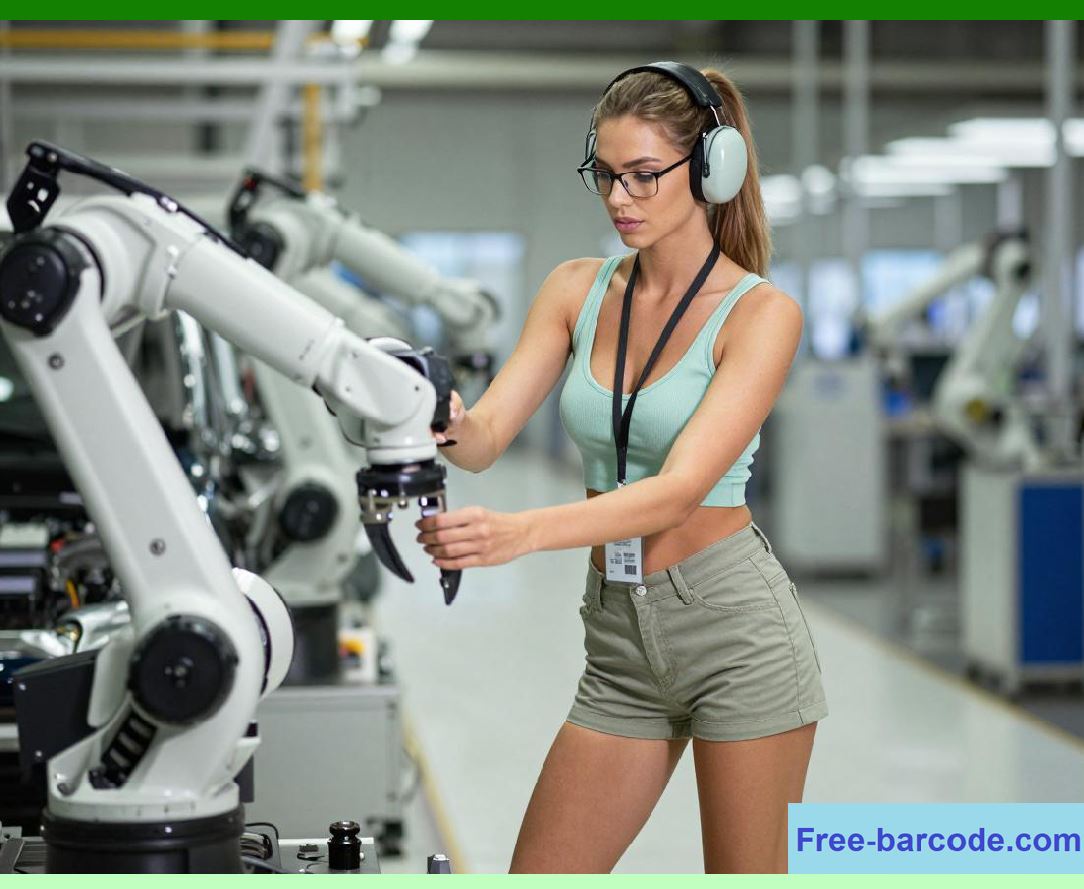
Collaborative robots are increasingly deployed in food processing for tasks such as picking and placing items into packaging, sorting products by size or quality, and tending processing equipment. In a human-centric configuration, the cobot handles the repetitive lifting and positioning while the human worker performs tasks requiring judgment: assessing product quality, adjusting process parameters, responding to deviations. The cobot is designed for easy cleaning and uses food-safe materials. Safety systems ensure that the robot slows or stops when a human enters its workspace, eliminating the need for fencing that would isolate workers from the process. |
This configuration addresses a real problem in food manufacturing: high turnover and difficulty recruiting workers for physically demanding, cold, repetitive jobs. By reducing the physical burden and allowing workers to focus on more skilled aspects of production, collaborative automation can make these jobs more sustainable as long-term employment . |
5.3 Precision Agriculture and the Resilience Connection |
The agricultural upstream of food processing also illustrates Industry 5.0 principles. Precision agriculture---using sensors, drones, and data analytics to optimize irrigation, fertilization, and pest management---is often framed as an efficiency technology. But its deeper significance is resilience and sustainability. By applying water and inputs only where and when needed, precision agriculture reduces environmental runoff and conserves resources. By providing early warning of crop stress or disease, it helps farmers respond before losses become severe. |
The human-centric dimension of agricultural technology is less often discussed but equally important. Many precision agriculture tools are designed for large farms with capital and technical expertise. Industry 5.0 thinking asks how these technologies can be adapted for smaller producers, cooperatives, and regions with limited connectivity. It also asks how agricultural work itself can be made safer and more attractive to younger generations, addressing the demographic crisis facing farming communities in many countries. |
|
6. Applications in Healthcare Manufacturing |
Healthcare manufacturing---prosthetics, implants, surgical instruments, and medical devices---might seem distant from the factory floor concerns of industrial robots. But this sector is arguably where the human-centric principle of Industry 5.0 is most directly expressed, because the ultimate human beneficiary is not the worker but the patient. |
6.1 Personalized Prosthetics and the Limits of Mass Customization |
Prosthetic limbs are inherently personal devices. A prosthesis that fits one patient comfortably may be unusable for another with different residual limb geometry, activity level, and lifestyle. Industry 4.0 enabled mass customization through digital scanning, computer-aided design, and additive manufacturing. A patient's limb can be scanned, a socket designed computationally, and the device printed in a material appropriate to its use. This was a significant advance over the plaster casting and manual fabrication methods that preceded it. |
Industry 5.0 pushes further toward what might be called mass personalization. The distinction is subtle but important. Mass customization takes a standard product architecture and varies parameters within a defined range. Mass personalization treats each patient's needs as unique and integrates clinical data, lifestyle information, and patient preferences into the design process from the beginning. A framework developed for prosthetic design illustrates this approach: it begins with patient requirements definition, proceeds through virtual modeling, production process optimization, and digital twin simulation, and incorporates machine learning to refine the design based on outcome data . The patient is not a passive recipient of a customized product but an active participant in defining what the product should do. |
6.2 Additive Remanufacturing and Circular Healthcare |
The healthcare sector generates substantial waste, including single-use devices, packaging, and obsolete equipment. Industry 5.0's sustainability pillar finds expression in smart additive remanufacturing: the use of additive manufacturing technologies, combined with digital twins and AI, to restore or reprocess medical components rather than discarding them. |
This is not simple recycling. Remanufacturing a complex medical device requires verifying that the restored component meets the same safety and performance standards as a new one. Digital twins of the component's lifecycle---material properties, stress history, sterilization exposure---can inform decisions about whether remanufacturing is appropriate and what processes are required. For high-value items such as surgical instruments or certain implant components, remanufacturing can reduce both cost and material consumption while maintaining regulatory compliance . |
The human-centric dimension here is indirect but real. Lower-cost, sustainably produced medical devices expand access to care. Reduced material consumption lessens the environmental burden of healthcare, which ultimately affects population health. These are not factory-floor concerns, but they illustrate how the Industry 5.0 framework extends the definition of industrial value beyond the production boundary. |
6.3 Collaborative Robots in Medical Device Assembly |
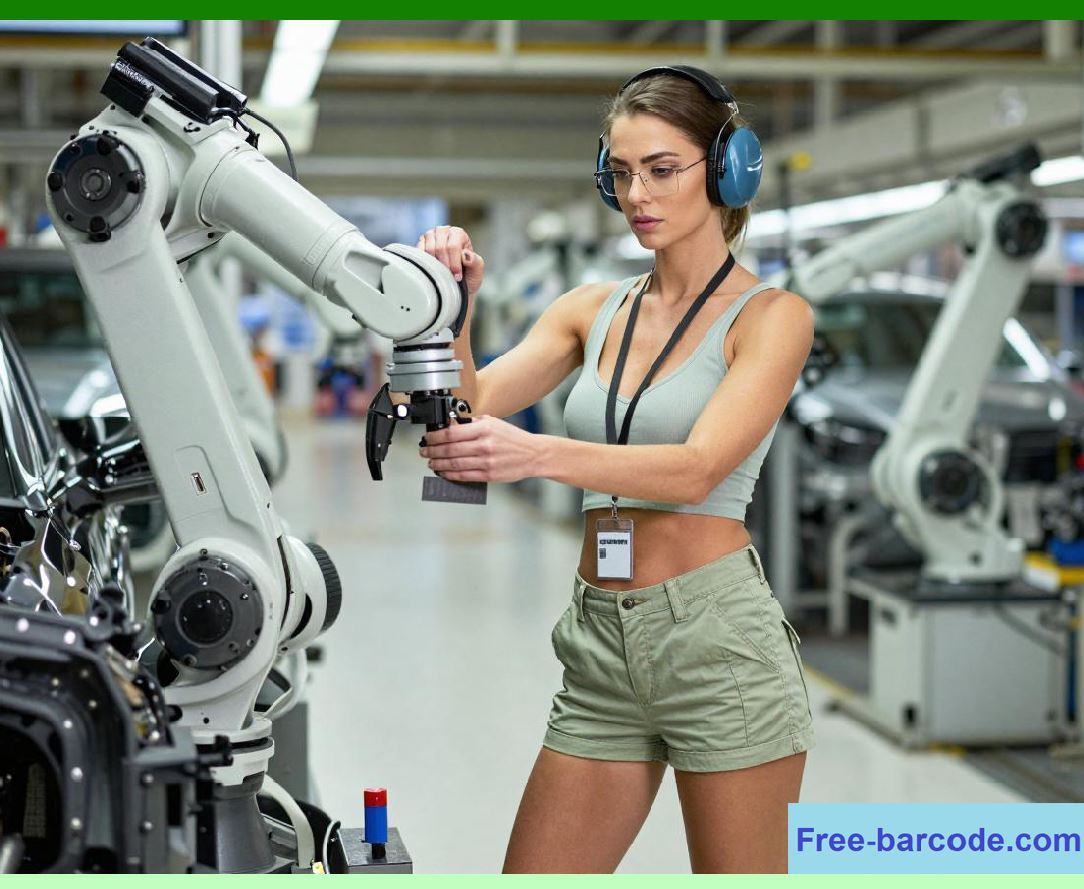
Medical device assembly often involves small components, stringent cleanliness requirements, and extensive documentation. Many tasks are automated, but human workers remain essential for tasks requiring dexterity, visual inspection, and documentation verification. Collaborative robots in this environment are typically deployed for tasks such as applying adhesives, placing components into fixtures, and performing repetitive test operations. |
The human-centric design considerations are distinctive. Cleanroom garments limit dexterity and communication. The cognitive burden of documentation and traceability is high. An Industry 5.0 approach might use AR interfaces to display assembly instructions and capture documentation automatically, reducing the worker's administrative load. It might design cobot workstations for ergonomic comfort, recognizing that a worker who is physically comfortable is less likely to make errors in a regulated environment. These are small interventions, but they reflect the principle that quality and human well-being are not opposing objectives. |
|
7. Enabling Technologies and Their Human-Centric Deployment |
The applications described above rely on a common set of technologies. What distinguishes Industry 5.0 from Industry 4.0 is not the technology list but the design intent with which those technologies are deployed. This section examines four key enabling technologies and the shift in their application. |
7.1 Collaborative Robots: From Safety Fences to Shared Workspaces |
Traditional industrial robots operate in fenced cells, separated from human workers for safety reasons. Collaborative robots are designed to operate in shared spaces, using force sensing, speed monitoring, and workspace limiting to ensure safety without physical barriers. The technical distinction is well established. The Industry 5.0 significance lies in what collaborative operation enables. |
When humans and robots share a workspace, the division of labor can be dynamic. The robot can perform the repetitive, forceful, or precise elements of a task while the human performs the judgment-dependent elements. The human can intervene when an exception occurs without shutting down the line. The robot can be reprogrammed by a line worker rather than a specialist engineer, reducing the barrier to adaptation. These capabilities support resilience (rapid reconfiguration), human-centricity (task sharing rather than task elimination), and even sustainability (reduced need for dedicated automation cells that may become obsolete). |
7.2 Artificial Intelligence: Augmentation versus Automation |
AI plays multiple roles in Industry 5.0 systems. It enables predictive maintenance, quality inspection, scheduling optimization, and human-robot interaction. The human-centric question is whether AI is used to automate decisions that should remain with humans or to augment human decision-making with information and recommendations. |
A quality inspection system that automatically rejects defective products removes human judgment from the process. A quality inspection system that flags potential defects for human review and provides the operator with reference images and measurement data augments human judgment. The first may be appropriate for high-volume, well-characterized defects. The second is more appropriate for complex or novel defects where contextual knowledge matters. Industry 5.0 design involves making these distinctions deliberately rather than defaulting to maximum automation . |
7.3 Digital Twins: Simulation for Sustainability and Resilience |
Digital twins---virtual representations of physical assets, processes, or systems---are among the most versatile Industry 4.0 technologies. In an Industry 5.0 framework, they serve objectives beyond throughput optimization. A digital twin of a production line can simulate the energy consumption and carbon emissions of alternative scheduling scenarios, enabling decisions that balance productivity against environmental impact. A digital twin of a supply chain can stress-test resilience by simulating disruptions and identifying vulnerabilities. A digital twin of a workplace can model ergonomic loads and identify task configurations that reduce injury risk . |
The key is that the digital twin is not merely a technical artifact. It is a tool for asking different questions. What is the energy intensity of this production planHow would this system respond to a supplier failureWhat is the cumulative physical strain on a worker performing this task sequenceThese questions reflect Industry 5.0 priorities. |
7.4 Additive Manufacturing: Distributed and Sustainable Production |
Additive manufacturing (3D printing) has been associated with Industry 4.0 since its early industrialization. Its Industry 5.0 significance lies in its potential for distributed production, customization, and material efficiency. Printing a component on demand, close to the point of use, eliminates the need for inventory and long-distance shipping. Printing complex geometries that would be impossible or wasteful to machine can reduce material consumption. Printing spare parts for obsolete equipment extends the operational life of machinery that would otherwise be replaced. |
In healthcare, additive manufacturing enables the personalized prosthetics discussed earlier. In aerospace, it enables lightweight components that reduce fuel consumption. In food processing, it enables customized molds and tooling for small-batch production. The common thread is that additive manufacturing supports the decentralization and customization that Industry 5.0 values, in addition to the efficiency that Industry 4.0 pursued . |

|
8. Barriers to Transition |
The transition to Industry 5.0 faces practical obstacles that vary by sector and region. Acknowledging these barriers is essential to any realistic assessment of the transition's pace and trajectory. |
8.1 Workforce Skills and the Training Gap |
Industry 5.0 requires a workforce that can collaborate with robots, interpret AI-generated insights, and adapt to rapidly changing production configurations. Current workforce capabilities often lag behind these requirements. Surveys indicate that a majority of manufacturers report shortages of critical skills, including not only technical competencies in AI and data science but also socio-emotional skills such as communication, teamwork, and creative problem-solving that are essential for effective human-robot collaboration . |
Training systems are adapting slowly. Vocational education and apprenticeship programs designed for manual trades do not automatically produce the hybrid skills required for collaborative automation. On-the-job training is constrained by production pressure. The result is a gap between the technological possibilities of Industry 5.0 and the human capacity to realize them. Addressing this gap requires investment in lifelong learning, partnerships between industry and educational institutions, and recognition that workforce development is not a cost to be minimized but a condition of competitive success. |
8.2 Legacy Systems and Integration Complexity |
Many manufacturers operate facilities built decades ago, with equipment from multiple vendors and control systems that predate modern connectivity standards. Retrofitting these facilities for Industry 5.0 capabilities is technically demanding and expensive. Sensors can be added to legacy machines, but extracting and interpreting their data requires middleware and expertise. Collaborative robots can be introduced, but integrating them with existing material handling and quality systems is non-trivial . |
Small and medium-sized enterprises face particular challenges. They often lack the capital for large-scale technology investment, the engineering staff to manage integration projects, and the bargaining power to demand interoperable solutions from vendors. Industry 5.0, if it is to be inclusive rather than concentrated among large firms, requires accessible and affordable pathways to adoption. This may include shared facilities, subscription-based technology access, and standards that reduce integration costs. |
8.3 Cybersecurity and Data Governance |
Increased connectivity expands the attack surface for cyber threats. A collaborative robot connected to a network is a potential entry point for malicious actors. A digital twin that contains detailed production data is a valuable target for industrial espionage. The human-centric data collected by physiological monitoring systems---heart rate, fatigue indicators, location---raises privacy concerns that are distinct from traditional industrial cybersecurity . |
Addressing these concerns requires technical measures (network segmentation, encryption, access control) and governance frameworks (data ownership policies, consent mechanisms, transparency about data use). The human-centric principle implies that workers should have visibility into what data is collected about them and how it is used. Surveillance that is justified by safety concerns must be distinguished from surveillance that serves disciplinary or productivity-monitoring purposes. This distinction is ethically important and practically difficult to enforce. |
8.4 The Economics of Transition |
The business case for Industry 5.0 is sometimes harder to make than the case for Industry 4.0. Efficiency investments have relatively direct payback: reduced labor hours, lower scrap rates, increased throughput. Human-centric investments---ergonomic improvements, task rotation, training---have benefits that are real but harder to quantify: reduced turnover, lower injury rates, higher quality. Sustainability investments often depend on regulatory frameworks or customer preferences that vary across markets. |
This is not an argument against Industry 5.0. It is an argument for better measurement and longer time horizons. The costs of turnover, injury, and environmental externalities are real even when they are not captured in quarterly efficiency metrics. Companies that invest in human-centric and sustainable manufacturing are building capabilities that will matter more, not less, as workforce demographics shift and environmental regulations tighten. |

|
9. Conclusion and Detailed Summary |
The transition from Industry 4.0 to Industry 5.0 is neither a repudiation of digital manufacturing nor a simple extension of it. It is a reorientation of industrial technology toward a broader set of objectives: human well-being, ecological sustainability, and systemic resilience. The technologies are largely familiar---collaborative robots, AI, digital twins, additive manufacturing, IoT sensing---but the design questions and success criteria have changed. |
This chapter has examined the transition across several sectors. In aerospace, collaborative robots and mobile manipulators augment skilled workers in low-volume, high-complexity assembly, preserving human judgment while reducing physical strain. In automotive and electronics, physiological sensing and task-sharing configurations address fatigue and turnover in high-volume production. In food processing, smart sensing and collaborative automation reduce waste while making physically demanding work more sustainable. In healthcare manufacturing, additive manufacturing and digital twins support personalized prosthetics and circular material flows. Across these sectors, the common pattern is the deployment of Industry 4.0 technologies within an Industry 5.0 value framework. |
The conceptual foundations of this transition rest on four shifts. First, the human worker moves from a residual category---to be automated where possible, managed where necessary---to a central design consideration. Second, sustainability moves from an external compliance burden to an internal design constraint. Third, resilience moves from a fortunate byproduct of redundancy to a deliberate design objective. Fourth, success itself is redefined: not merely output per labor hour, but the capacity to create value without depleting human capability or ecological resources. |
The barriers to transition are significant. Workforce skills gaps constrain the deployment of collaborative and AI-augmented systems. Legacy equipment and integration complexity slow adoption, particularly among small and medium-sized enterprises. Cybersecurity and data governance concerns require attention that many organizations are ill-prepared to provide. And the economics of human-centric and sustainable investment are sometimes harder to justify in the short term than efficiency investments. |
Yet the direction of travel is clear. The limitations of efficiency-centric automation have been exposed by workforce shortages, supply chain disruptions, and environmental pressures. The factories that will thrive in the coming decades will be those that treat human capability, ecological responsibility, and operational resilience not as constraints on productivity but as foundations of it. Industry 5.0 names this shift. It does not provide a blueprint, because the appropriate configuration of technology and human work varies by sector, by product, and by local context. What it provides is a set of principles for making those configuration choices: design for human capability rather than around it, treat environmental limits as real, and build systems that can adapt to surprise. |
For engineers and managers trained in the efficiency-centric tradition of Industry 4.0, this reorientation requires unlearning as well as learning. It requires asking not only 'how can this task be automated' but 'what is the right division of labor between human and machine for this task, given the goals of safety, quality, sustainability, and long-term workforce capability' It requires evaluating technology investments not only by their payback period but by their contribution to resilience and human development. These are harder questions to answer than efficiency calculations, but they are the questions that define the next phase of industrial evolution. |
 cs@easiersoft.com