Chapter 66: Physical AI |
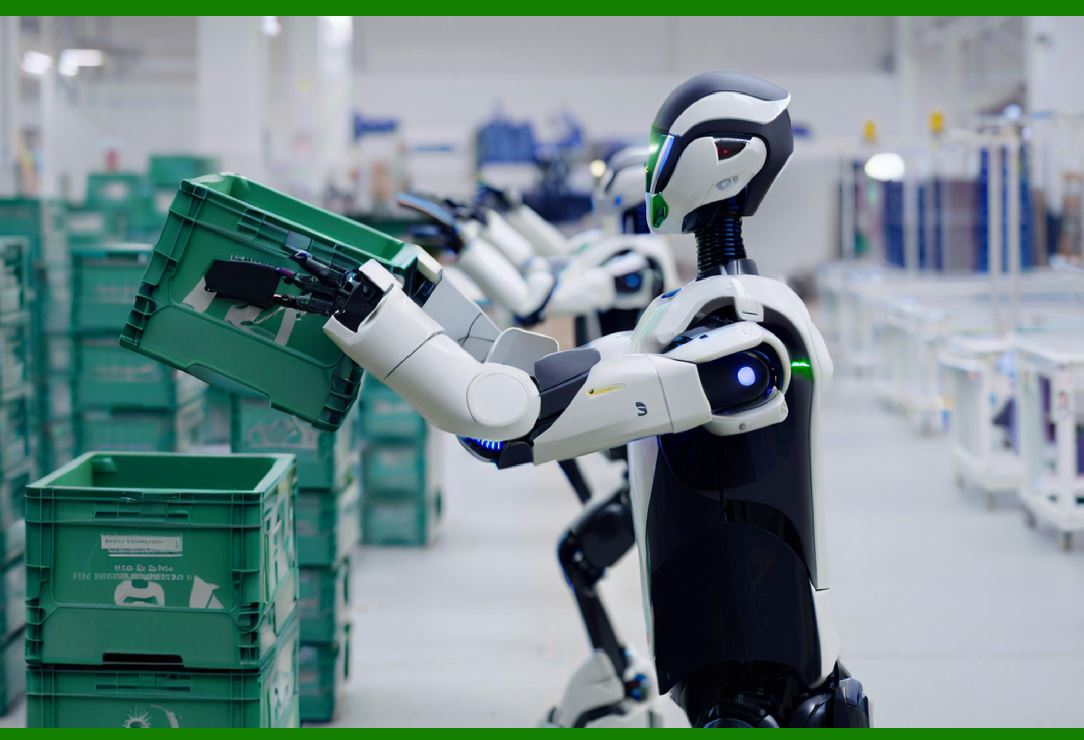
Robots integrate sensor data for real-time action, moving from digital reasoning to physical execution. |
1. Introduction: What Physical AI Means |
For most of the history of computing, intelligence lived in a purely digital world. A computer could analyze a spreadsheet, play chess, or recommend a movie, but it could not reach out and change the physical world. Industrial robots changed that in a limited way. A traditional robot arm could weld, paint, or stack boxes with great precision, but it did so by repeating a fixed script. It did not truly understand its environment. If a part arrived in the wrong position, or a human walked into its path, the robot would often continue blindly or stop in confusion. |
Physical AI is the next step. It refers to systems that combine artificial intelligence with physical bodies. These systems sense the world, reason about what they perceive, and then act in real time. The key phrase is real time. A physical AI system cannot take ten seconds to decide whether a box is in front of it. It must perceive, decide, and move within milliseconds. This is the shift from digital reasoning to physical execution. |
In this chapter, we will explore how physical AI works in practice. We will avoid complex mathematics and instead focus on real examples from many industries. You will see how sensor fusion, edge computing, reinforcement learning, and foundation models are being used today. You will also see where the field is heading and what challenges remain. |
|
2. The Building Blocks of Physical AI |
Before we look at applications, it helps to understand the basic building blocks. Physical AI systems share four common elements. |
2.1 Sensors |
Sensors are the eyes and ears of the robot. Common sensors include cameras, depth sensors, lidar, radar, force-torque sensors, tactile sensors, microphones, and inertial measurement units. Each sensor provides a different view of the world. A camera gives rich visual detail but no direct depth. A depth sensor gives distance but may struggle in bright sunlight. A force-torque sensor feels how hard the robot is pushing. A tactile sensor feels texture and slip. |
2.2 Perception and Sensor Fusion |
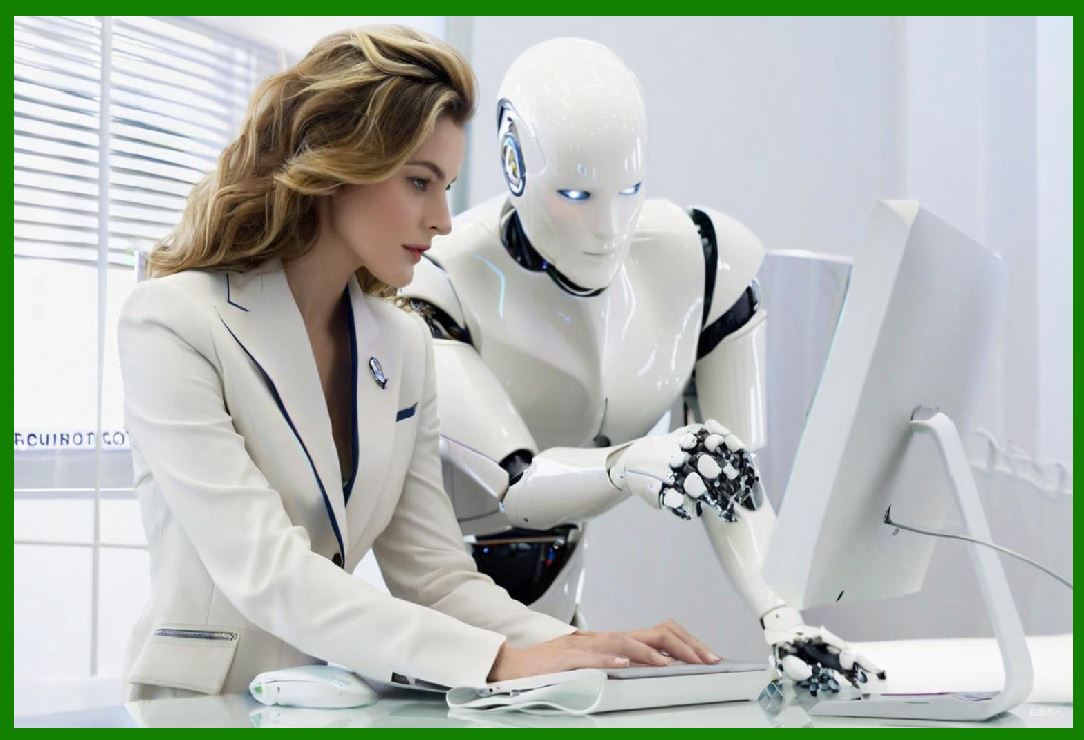
No single sensor is perfect. Physical AI combines data from many sensors, a process called sensor fusion. For example, a robot may use a camera to recognize a person and a lidar to measure the person's distance. If the camera is blinded by glare, the lidar still provides reliable range. If the lidar is confused by rain, the camera still provides visual context. Sensor fusion creates a more robust understanding than any single sensor could provide. |
2.3 Reasoning and Decision Making |
Once the robot has a model of the world, it must decide what to do. Traditional robots used hand-coded rules. Physical AI uses learned models. These models may be neural networks trained on large datasets, or they may be reinforcement learning agents that learn by trial and error in simulation. The decision making must be fast and safe. A robot arm moving at two meters per second cannot wait for a cloud server to respond. This is why edge computing is essential. |
2.4 Actuation and Control |
Finally, the robot must move. Actuators include electric motors, hydraulic cylinders, and pneumatic muscles. Control systems translate high-level decisions into low-level motor commands. For physical AI, control must be adaptive. If the robot picks up a heavy object, the motors must apply more force. If the robot walks on uneven ground, the joints must adjust in real time. |

|
3. Why NowThe Enabling Technologies |
Physical AI is not a new idea. Researchers have dreamed of intelligent robots for decades. Why is it becoming practical nowThere are four main reasons. |
3.1 Cheaper and Better Sensors |
Cameras and depth sensors have become incredibly cheap. A smartphone-grade camera can now provide high-resolution images. Solid-state lidar units that once cost tens of thousands of dollars now cost a few hundred. This makes it feasible to put many sensors on a single robot. |
3.2 Powerful Edge Computing |
Graphics processing units and specialized AI chips can now perform billions of operations per second while consuming only a few watts. This allows complex neural networks to run on the robot itself, without a network connection. |
3.3 Large-Scale Simulation |
Training a physical AI system in the real world is slow and dangerous. Simulation allows millions of trials in a virtual environment. Modern simulators can model physics, lighting, and sensor noise with high fidelity. This has accelerated the development of walking robots, grasping robots, and autonomous vehicles. |
3.4 Foundation Models and Transfer Learning |
Large AI models trained on internet-scale data can now be adapted to robotics. A model that has seen millions of images can learn to recognize tools, doors, and humans with little additional training. This is called transfer learning. It reduces the amount of robot-specific data needed. |
|
4. How Physical AI Differs from Traditional Automation |
It is important to distinguish physical AI from traditional industrial automation. |
Traditional automation is repeatable and precise. A welding robot performs the same motion thousands of times with sub-millimeter accuracy. But it cannot handle variation. If the part is slightly different, the robot may fail. |
Physical AI is adaptive and flexible. It can handle variation. It can pick up a randomly placed object. It can walk on a rough trail. It can adjust its grip if an object slips. But it may be less precise than a traditional robot for a specific repetitive task. |
The two approaches are complementary. In many factories, traditional robots handle high-volume, low-variety tasks. Physical AI handles low-volume, high-variety tasks. As the technology matures, physical AI will take on more tasks that were previously impossible to automate. |

|
5. Application Examples Across Industries |
This is the heart of the chapter. We will look at real and emerging applications of physical AI in many industries. Each example shows how sensor data is integrated for real-time action. |
5.1 Manufacturing and Assembly |
Manufacturing was the first home of industrial robots. Physical AI is transforming it in several ways. |
5.1.1 Adaptive Bin Picking |
Bin picking is the task of reaching into a bin of randomly oriented parts and picking one out. Traditional robots struggle with this because every part is in a different position. Physical AI uses 3D cameras and deep learning to recognize each part, plan a grasp, and move without collision. Companies like Covariant and Universal Robots have demonstrated systems that can pick thousands of different objects. The robot learns from each attempt. If a grasp fails, it adjusts its approach next time. |
5.1.2 Flexible Assembly |
In electronics assembly, small components must be placed with high precision. Physical AI combines vision and force feedback. The robot feels when a connector is properly seated. If it feels resistance, it adjusts the angle. This reduces damage and improves yield. Foxconn and other contract manufacturers are investing heavily in this technology. |
5.1.3 Human-Robot Collaboration |
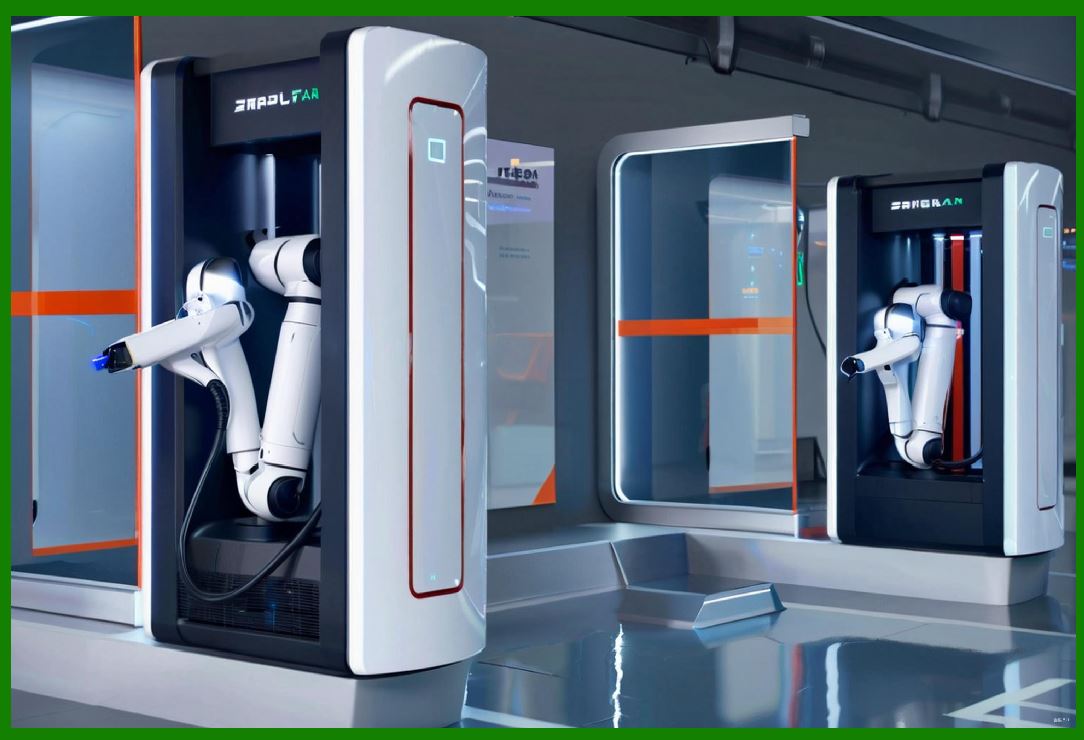
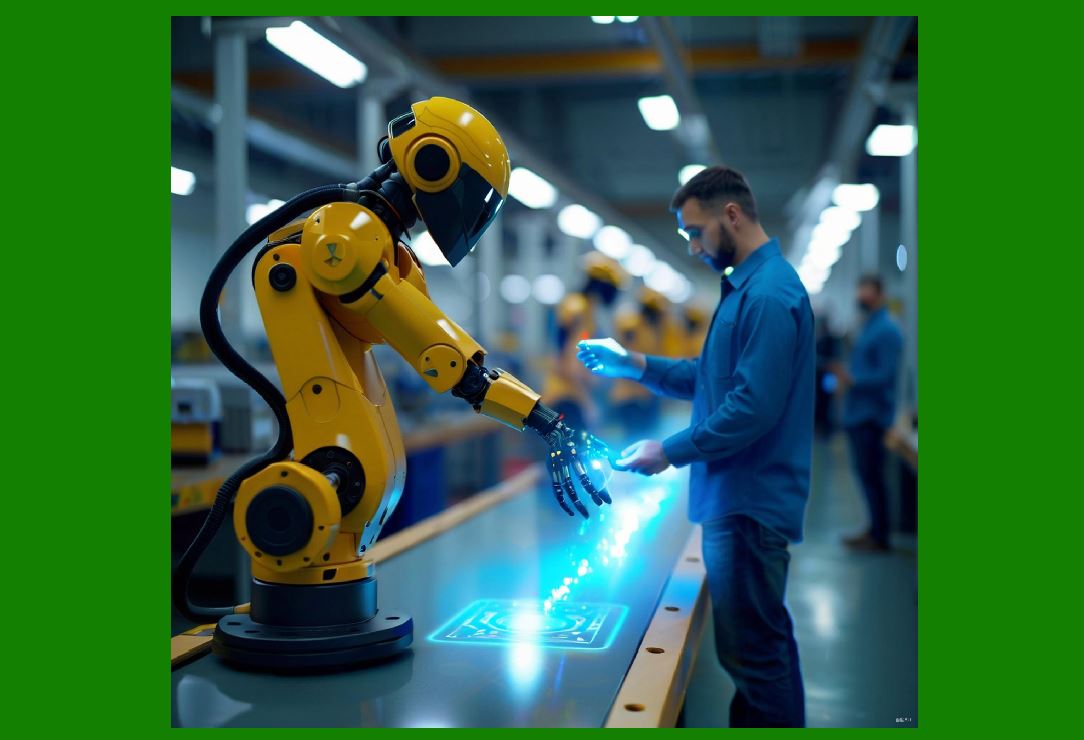
Traditional robots work in cages to protect humans. Physical AI enables collaborative robots, or cobots, that work safely alongside people. These robots use force-torque sensors and vision to detect human presence. If a human gets too close, the robot slows down or stops. If a human hands a tool to the robot, the robot recognizes the gesture and takes it. This allows humans and robots to share the same workspace. |
|
5.2 Logistics and Warehousing |
Logistics is one of the fastest-growing areas for physical AI. E-commerce has created enormous demand for picking, packing, and sorting. |
5.2.1 Autonomous Mobile Robots |
Autonomous mobile robots, or AMRs, move through warehouses to transport goods. They use lidar, cameras, and inertial sensors to navigate. Unlike older automated guided vehicles that follow magnetic tape, AMRs can map their environment and find new routes. They can avoid obstacles and people. Amazon Robotics has deployed hundreds of thousands of these robots. Newer AMRs use physical AI to predict where people will move, allowing them to navigate crowded aisles safely. |
5.2.2 Robotic Piece Picking |
Piece picking is the task of picking individual items from shelves or bins. This is harder than bin picking because items vary widely in shape, size, and weight. A robot may need to pick a soft bag of chips, a glass bottle, and a small box in the same shift. Physical AI uses vision, tactile sensing, and learned models to handle this variety. Companies like Berkshire Grey and RightHand Robotics have developed commercial systems. |
5.2.3 Truck Loading and Unloading |
Loading and unloading trucks is physically demanding and often dangerous. Physical AI robots can now perform this task. They use 3D vision to locate boxes and plan a path. They use force feedback to handle boxes of different weights. They work in teams, with one robot handing boxes to another. This technology is still emerging but has been demonstrated in pilot projects. |

|
5.3 Agriculture and Food Processing |
Agriculture is increasingly using physical AI to address labor shortages and improve efficiency. |
5.3.1 Autonomous Tractors and Harvesters |
Autonomous tractors use GPS, cameras, and lidar to navigate fields. They can plow, plant, and harvest with minimal human intervention. Physical AI helps them avoid obstacles like rocks, trees, and animals. It also helps them adjust to changing soil conditions. John Deere and other companies have commercialized highly automated tractors. |
5.3.2 Robotic Weeding |
Weeding is a major cost in organic farming. Physical AI robots can distinguish crops from weeds and remove weeds with precision. Some use mechanical tines, others use lasers. The robot must identify plants in real time under varying lighting conditions. This is a classic sensor fusion problem. Cameras provide color and shape. Depth sensors provide height. The robot decides which plants to remove. |
5.3.3 Fruit Picking |
Picking fruit is delicate work. A robot must identify ripe fruit, reach through leaves, and detach it without bruising. Physical AI uses color cameras to judge ripeness and force sensors to feel the fruit. Some robots use soft grippers inspired by human hands. Strawberry, apple, and citrus harvesting robots are being tested commercially. |
5.3.4 Food Processing |
In meat and poultry processing, physical AI robots perform tasks like deboning and cutting. They use vision to locate bones and force feedback to guide the knife. This improves yield and reduces injury. The environment is cold and wet, which challenges sensors, but physical AI systems are becoming more robust. |
|
5.4 Healthcare and Assistive Robotics |
Healthcare is a high-stakes environment where physical AI must be safe and reliable. |
5.4.1 Surgical Robots |
Surgical robots like the da Vinci system are teleoperated, meaning a human surgeon controls them. Physical AI is adding autonomy. For example, a robot can hold a camera steady, or it can suture with supervised autonomy. The robot uses vision to track tissue motion and force feedback to avoid tearing. This reduces surgeon fatigue and improves precision. |
5.4.2 Rehabilitation Robots |
Rehabilitation robots help patients recover from stroke or injury. They must adapt to the patient's ability. If the patient can move their arm partially, the robot provides assistance only as needed. Physical AI uses force sensors and motion tracking to estimate the patient's effort. This makes therapy more effective and engaging. |
5.4.3 Assistive Robots for Daily Living |
Assistive robots help elderly or disabled people with daily tasks like eating, dressing, and fetching objects. These robots operate in cluttered homes, which is a major challenge. Physical AI uses vision and language understanding. A user might say, 'Please bring me the red cup.' The robot must find the cup, navigate to it, and grasp it. This requires integrating speech, vision, and manipulation. Systems like the PR2 and newer commercial robots are making progress. |
5.4.4 Hospital Logistics |
Hospitals use mobile robots to transport supplies, linens, and medications. These robots navigate crowded corridors and use elevators. Physical AI helps them avoid collisions and prioritize tasks. During the COVID-19 pandemic, these robots reduced human exposure to the virus. |
|
5.5 Construction and Mining |
Construction and mining are dirty, dangerous, and difficult to automate. Physical AI is beginning to change that. |
5.5.1 Autonomous Excavators |
Autonomous excavators can dig trenches, load trucks, and move earth. They use lidar and cameras to map the terrain. They use force feedback to sense soil density. Physical AI helps them adapt to different soil types and avoid underground utilities. Companies like Built Robotics have developed commercial systems. |
5.5.2 Bricklaying Robots |
Bricklaying is repetitive but requires precision. Physical AI robots can lay bricks faster and more consistently than humans. They use vision to align bricks and force sensors to apply the right amount of mortar. Some systems use a conveyor and a robotic arm. Others use a gantry system. These robots are used in commercial construction. |
5.5.3 Mining Robots |
Mining robots operate in extreme conditions. They must be robust and reliable. Physical AI helps them navigate tunnels, identify ore, and avoid hazards. Autonomous haul trucks are already common in large mines. They use GPS, radar, and lidar to drive safely. Underground mining robots use similar technology but with additional challenges like poor lighting and dust. |

|
5.6 Energy and Utilities |
Energy and utilities involve inspecting and maintaining large infrastructure. Physical AI makes this safer and more efficient. |
5.6.1 Inspection Robots |
Inspection robots crawl through pipes, climb towers, and swim in tanks. They carry cameras and sensors to detect cracks, corrosion, and leaks. Physical AI helps them navigate complex environments and identify defects in real time. For example, a robot inspecting a pipeline can use vision to spot corrosion and ultrasound to measure wall thickness. |
5.6.2 Nuclear Decommissioning |
Nuclear decommissioning is highly hazardous. Robots must operate in radioactive environments. Physical AI allows them to manipulate tools, cut pipes, and sort waste. They use radiation sensors to map contamination. Human operators supervise from a safe distance. This reduces risk to workers. |
5.6.3 Wind Turbine Maintenance |
Wind turbines are tall and difficult to access. Climbing robots can inspect blades and towers. They use suction cups or magnetic wheels to adhere to the surface. Physical AI helps them navigate curved surfaces and identify damage. This avoids the need for human climbers. |
|
5.7 Transportation and Automotive |
Transportation is a huge area for physical AI. We will focus on three examples. |
5.7.1 Autonomous Vehicles |
Autonomous vehicles are perhaps the most visible example of physical AI. They use cameras, lidar, radar, and GPS to perceive the world. They use deep learning to detect pedestrians, vehicles, and lane markings. They use planning algorithms to navigate. The challenge is safety. A self-driving car must handle rare events, like a child running into the street. Physical AI systems are being tested in controlled environments and in some cities. Companies like Waymo and Cruise are operating limited commercial services. |
5.7.2 Automated Valet Parking |
Automated valet parking is a simpler version of autonomous driving. A car drives itself into a parking garage and parks. The environment is more controlled than a public road. Physical AI uses lidar and cameras to navigate tight spaces. This technology is being deployed in some airports and shopping centers. |
5.7.3 In-Vehicle Robots |
In-vehicle robots are a new category. These robots interact with passengers. For example, a robot arm could hand a drink to a passenger. A mobile robot could move around the cabin to provide information. Physical AI helps them understand gestures and speech. This is still experimental but shows promise for ride-sharing and public transit. |

|
5.8 Retail and Service |
Retail and service industries are labor-intensive. Physical AI is beginning to appear in stores and restaurants. |
5.8.1 Shelf Scanning Robots |
Shelf scanning robots move through grocery stores to check inventory and prices. They use cameras and RFID readers. Physical AI helps them navigate crowded aisles and avoid shoppers. They can detect out-of-stock items and mispriced products. This improves efficiency and reduces lost sales. |
5.8.2 Inventory Robots in Warehouses |
We already discussed warehouse robots, but it is worth noting that inventory robots are a specific application. They scan barcodes on shelves to maintain accurate inventory. Physical AI helps them navigate and avoid obstacles. |
5.8.3 Food Preparation Robots |
Food preparation robots can cook burgers, fry chicken, and make pizza. They use vision to monitor cooking and robotic arms to flip and assemble. Physical AI helps them adapt to different recipes and portion sizes. Companies like Miso Robotics and Creator have developed commercial systems. These robots reduce labor costs and improve consistency. |
5.8.4 Cleaning Robots |
Cleaning robots are common in homes and offices. They use lidar and cameras to map rooms and avoid furniture. Physical AI helps them distinguish dirt from shadows and adapt to different floor types. Newer robots can empty their own dustbins and mop floors. This is a mature application of physical AI. |

|
5.9 Space and Underwater Exploration |
Space and underwater environments are extreme and remote. Physical AI is essential because human presence is difficult or impossible. |
5.9.1 Mars Rovers |
Mars rovers like Perseverance and Curiosity use physical AI to navigate the Martian surface. They must avoid rocks and sand traps. They use vision to select safe paths. Because communication delays are long, the rover must make some decisions on its own. This is a classic example of physical AI moving from digital reasoning to physical execution. |
5.9.2 Underwater Robots |
Underwater robots, or autonomous underwater vehicles, explore the ocean. They use sonar, cameras, and depth sensors. Physical AI helps them navigate in murky water and map the seafloor. They can inspect pipelines, study marine life, and recover objects. The challenge is that water distorts sensors, so fusion is critical. |
5.9.3 Satellite Servicing |
Satellite servicing robots repair and refuel satellites in orbit. They must operate in microgravity and harsh radiation. Physical AI helps them align with the satellite and manipulate tools. This extends the life of expensive satellites. |

|
5.10 Entertainment and Education |
Physical AI is also appearing in entertainment and education. |
5.10.1 Theme Park Robots |
Theme parks use robots to interact with guests. These robots can walk, talk, and gesture. Physical AI helps them recognize faces and respond to speech. They must be safe around children, so force limits are critical. |
5.10.2 Educational Robots |
Educational robots teach students about programming and robotics. They use sensors and actuators to interact with the world. Physical AI makes them more engaging. For example, a robot might learn to play a game with a student. This encourages interest in science and technology. |
5.10.3 Robotic Pets |
Robotic pets provide companionship. They use touch sensors, cameras, and microphones. Physical AI helps them respond to human emotion. They can wag their tails, purr, or follow their owner. This is a growing consumer market. |
|
6. The Role of Simulation and Digital Twins |
Simulation is a critical tool for physical AI. Training a robot in the real world is slow and expensive. Simulation allows millions of trials in a virtual environment. A digital twin is a virtual replica of a physical system. It is updated with real sensor data. This allows operators to monitor and predict behavior. |
In manufacturing, a digital twin of a robot cell can be used to test new programs without stopping production. In logistics, a digital twin of a warehouse can optimize robot routes. In healthcare, a digital twin of a patient can help plan surgery. |
Simulation also helps with safety. A robot can be tested in simulation for dangerous scenarios, like a human walking into its path. This reduces the risk of real-world accidents. |

|
7. Challenges and Limitations |
Physical AI is powerful, but it faces many challenges. |
7.1 Safety and Reliability |
Safety is the top concern. A physical AI system must not harm humans or damage property. This requires rigorous testing and validation. It also requires fail-safe mechanisms. If the AI fails, the robot must stop safely. |
7.2 Data and Generalization |
Physical AI learns from data. But data from one environment may not transfer to another. A robot trained in a laboratory may fail in a cluttered home. Generalization is a major research challenge. |
7.3 Cost and Power |
Physical AI requires powerful computing. This consumes energy and generates heat. For mobile robots, battery life is a constraint. Reducing power consumption is an active area of research. |
7.4 Ethical and Social Issues |
Physical AI will displace some jobs. It also raises questions about privacy and autonomy. For example, a robot with cameras in a public space may record people without consent. These issues need to be addressed by society. |
7.5 Robustness to Edge Cases |
Edge cases are rare events that are not in the training data. A self-driving car may encounter a deer on the road. A warehouse robot may encounter a spilled liquid. Physical AI must handle these cases safely. This is difficult because edge cases are by definition rare. |
|
8. The Future of Physical AI |
What does the future holdHere are some trends. |
8.1 Foundation Models for Robotics |
Large foundation models are being adapted for robotics. These models can understand language, vision, and action. A single model could control many different robots. This would reduce the need for task-specific programming. |
8.2 Cloud-Edge Collaboration |
Robots will use a combination of edge computing and cloud computing. The edge handles real-time control. The cloud handles learning and coordination. This allows robots to share knowledge and improve over time. |
8.3 Soft Robotics |
Soft robots are made of flexible materials. They are safer around humans and can handle delicate objects. Physical AI helps them control their shape and movement. This is a growing field. |
8.4 Swarm Robotics |
Swarm robotics uses many simple robots that work together. Physical AI helps them coordinate. For example, a swarm of robots could pollinate a field or clean a beach. This is inspired by ants and bees. |
8.5 Human-Robot Symbiosis |
The long-term goal is symbiosis. Humans and robots work together seamlessly. The robot understands human intent and adapts. The human trusts the robot and relies on it. This requires advances in safety, communication, and trust. |

|
9. Detailed Summary |
Physical AI represents a fundamental shift in robotics. It moves from fixed scripts to adaptive, real-time action. It integrates sensor data from cameras, lidar, force sensors, and more. It uses edge computing to make decisions quickly. It learns from simulation and real-world experience. |
We have seen applications in many industries. In manufacturing, physical AI enables adaptive bin picking, flexible assembly, and human-robot collaboration. In logistics, it powers autonomous mobile robots, piece picking, and truck loading. In agriculture, it drives autonomous tractors, robotic weeding, and fruit picking. In healthcare, it improves surgical robots, rehabilitation robots, and assistive robots. In construction and mining, it enables autonomous excavators, bricklaying robots, and mining robots. In energy, it supports inspection robots and nuclear decommissioning. In transportation, it is the core of autonomous vehicles and valet parking. In retail and service, it appears in shelf scanning, food preparation, and cleaning. In space and underwater exploration, it allows rovers and submarines to operate autonomously. In entertainment and education, it creates interactive robots and robotic pets. |
Despite its promise, physical AI faces challenges. Safety, reliability, generalization, cost, power, ethics, and edge cases are all active areas of research. The future will bring foundation models, cloud-edge collaboration, soft robotics, swarm robotics, and human-robot symbiosis. |
The journey from digital reasoning to physical execution is just beginning. As sensors improve, computing becomes more efficient, and algorithms become more robust, physical AI will become more common. It will change how we work, how we live, and how we explore the world. The robots of tomorrow will not just think. They will act. And they will do so in real time, alongside humans, in the messy, unpredictable, beautiful physical world. |
 cs@easiersoft.com