Chapter 50: Machine Tending |
Robots load and unload injection molding, casting, and CNC machines, eliminating hazardous manual handling. |
1. Introduction and Chapter Summary |
Machine tending is one of the oldest and most widely adopted applications of industrial robots. In simple terms, machine tending means using a robot to load raw workpieces into a machine, wait while the machine performs its operation, unload the finished part, and then repeat the cycle. The machines involved can be injection molding machines, die casting machines, CNC lathes, CNC milling machines, grinding machines, stamping presses, forging presses, and many other types of production equipment. The robot acts as a tireless, precise, and safe pair of hands that feeds the machine and removes the finished product. |
This chapter explains why machine tending matters, how it works, what kinds of robots are used, and how it is applied across many industries. The focus is on practical examples rather than mathematical models or engineering formulas. The chapter is written for a general technical audience, including students, managers, engineers new to robotics, and anyone who wants to understand how robots keep factories running. By the end of this chapter, you should be able to describe the main components of a machine tending cell, list the benefits and challenges, and give concrete examples from industries such as automotive, electronics, plastics, metalworking, food processing, medical devices, and aerospace. |
The chapter is organized into numbered sections. Sections 2 through 4 cover the fundamentals: what machine tending is, why it is needed, and how a typical cell is built. Sections 5 through 7 cover robot types, end effectors, and sensors. Sections 8 through 20 present detailed industry applications. Sections 21 through 25 discuss programming, safety, economics, and maintenance. Sections 26 through 30 cover advanced topics such as machine vision, collaborative robots, and flexible manufacturing. Section 31 provides a detailed summary. Throughout, the emphasis is on real-world examples and clear explanations. |
|
2. What Is Machine Tending |
Machine tending is the automated process of loading and unloading a production machine. The robot picks up an unfinished part from a conveyor, tray, or bin, places it into the machine's workholding device, signals the machine to start, waits for the machine to finish, removes the finished part, and places it onto an output conveyor or into a container. The robot then repeats the cycle. |
The machine itself may be a CNC machine tool, an injection molding machine, a die casting machine, a stamping press, a forging press, a grinding machine, a laser cutting machine, a welding machine, or a measurement machine. In each case, the robot performs the same basic tasks: pick, place, wait, remove, and repeat. |
Machine tending is sometimes called machine loading, machine unloading, or part handling. The term 'tending' emphasizes that the robot is not just loading but also monitoring the machine and responding to signals. For example, the robot may wait for a signal that the machine has finished its cycle, or it may check that the part is properly seated before the machine starts. |
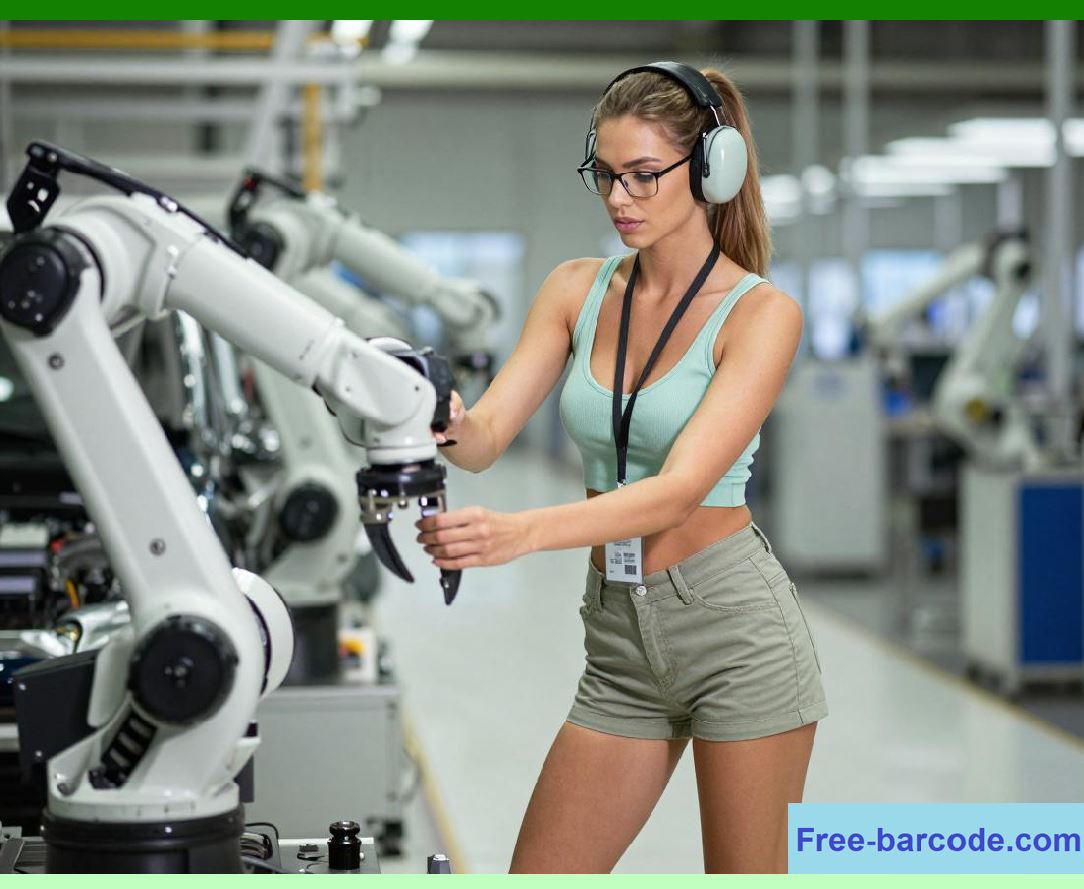
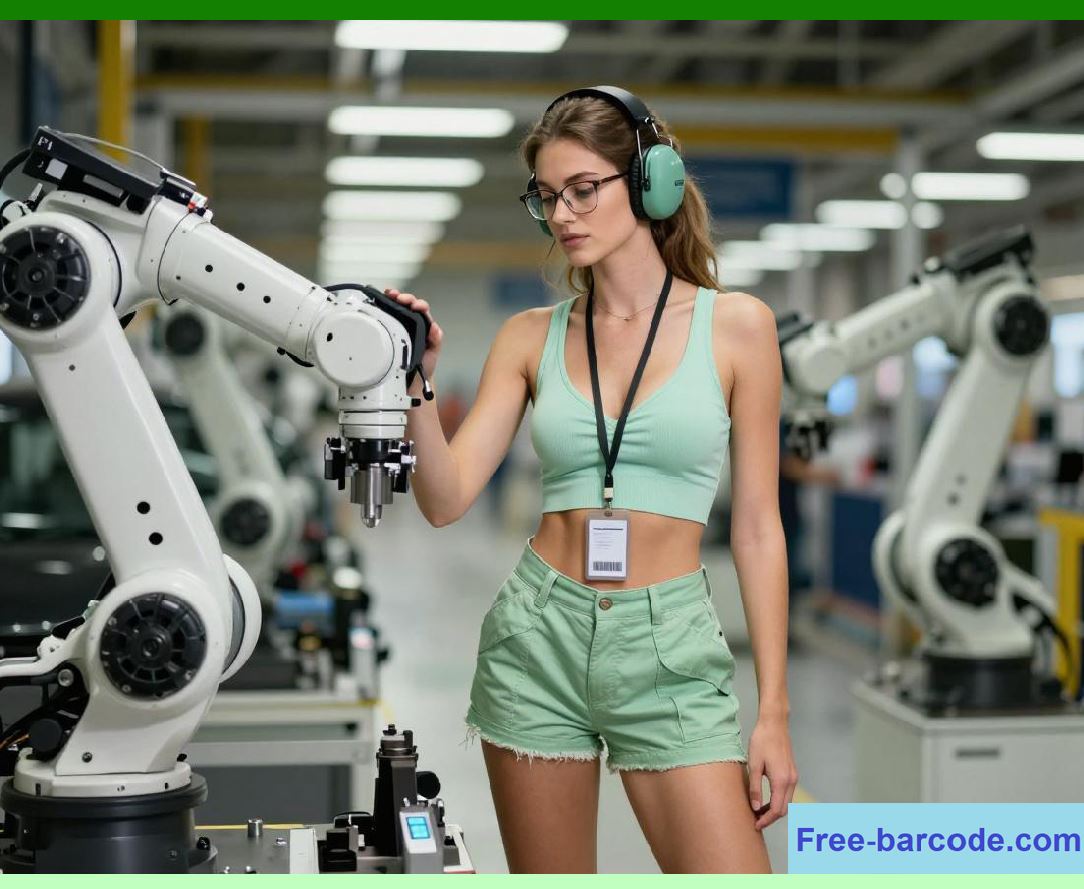
A machine tending cell usually includes the robot, a gripper or end effector, a part feeder, an output conveyor, safety fencing, and a control system that coordinates the robot with the machine. The cell may also include sensors, cameras, and automatic door openers for the machine. |

|
3. Why Machine Tending Matters |
Machine tending is important for several reasons. First, it eliminates hazardous manual handling. Loading and unloading heavy parts, hot parts, sharp parts, or parts covered in oil or coolant can injure workers. Robots do not get tired, do not suffer burns or cuts, and do not develop repetitive strain injuries. Second, machine tending improves consistency. A robot places the part in the same position every time, which reduces scrap and improves quality. Third, it increases machine utilization. A robot can tend a machine during breaks, lunches, and shift changes, so the machine keeps running. Fourth, it reduces labor costs. One robot can tend one or more machines, freeing human workers for higher-value tasks. Fifth, it improves safety in dangerous environments such as foundries, forging shops, and plastic molding areas. |
Machine tending is also a stepping stone to lights-out manufacturing. If a robot can tend a machine without human intervention, the factory can run overnight or even around the clock with minimal staffing. This is especially valuable in high-volume production where machine downtime is expensive. |
|
4. Anatomy of a Typical Machine Tending Cell |
A typical machine tending cell has several main components. The robot is the center of the cell. It may be a Cartesian robot, a SCARA robot, an articulated robot, or a collaborative robot. The choice depends on the size of the parts, the speed required, the reach needed, and the layout of the machines. |
The end effector, or gripper, is the tool at the end of the robot arm. It may be a mechanical gripper, a vacuum gripper, a magnetic gripper, or a specialized tool for handling hot parts. The gripper must be able to pick up the part securely and release it reliably. |
The part feeder presents the raw parts to the robot. It may be a conveyor, a tray, a bin, a vibratory bowl feeder, or a pallet. The feeder must present the parts in a known position so the robot can pick them up without needing complex vision systems. |
The output conveyor or container receives the finished parts. It may be a simple belt conveyor, a chute, or a cart. The robot places the finished part in a known location. |
The machine interface allows the robot to communicate with the machine. This may be a simple digital signal, a fieldbus connection, or a network protocol. The robot sends a signal to start the machine and receives a signal when the machine is finished. |
Safety fencing or light curtains protect human workers from the robot and the machine. The cell may also include interlocked doors, emergency stop buttons, and presence-sensing devices. |
The control system coordinates all the components. It may be a programmable logic controller, a robot controller, or a personal computer. The control system ensures that the robot and the machine do not interfere with each other and that the cycle runs smoothly. |

|
5. Types of Robots Used in Machine Tending |
Several types of robots are used in machine tending. Cartesian robots move in three linear axes, like a gantry crane. They are simple, rigid, and can cover large work areas. They are often used for loading and unloading large parts or for tending multiple machines in a row. |
SCARA robots have two rotary joints for horizontal movement and one linear joint for vertical movement. They are fast, precise, and compact. They are often used for small parts, such as electronic components or small plastic parts. |
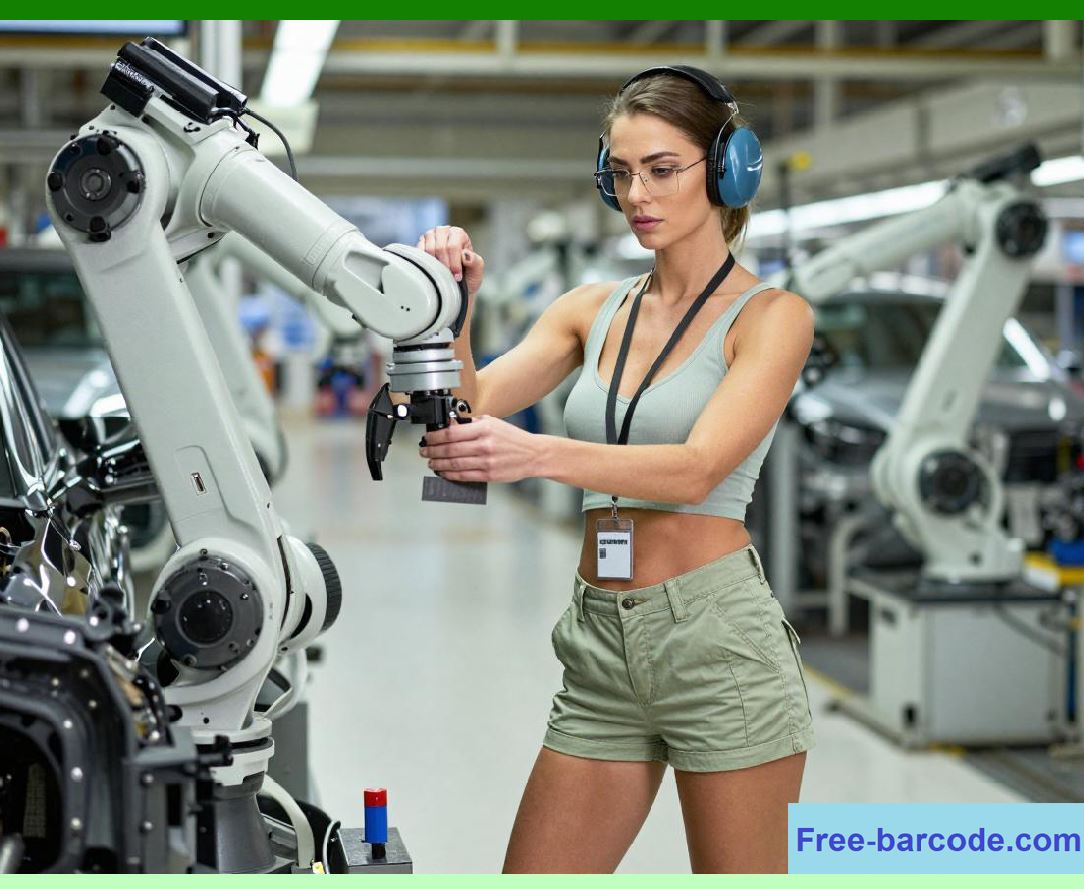
Articulated robots have multiple rotary joints, like a human arm. They are flexible and can reach into machines from many angles. They are the most common type of robot used in machine tending. They can be mounted on the floor, on a wall, or on a ceiling. |
Collaborative robots, or cobots, are designed to work safely alongside humans. They are often smaller and slower than traditional industrial robots, but they are easy to program and can be moved between tasks. They are increasingly used in machine tending for small and medium-sized enterprises. |
Delta robots are parallel robots with three arms. They are very fast and are used for picking and placing small parts, but they are less common in machine tending because they have a limited work envelope. |
|
6. End Effectors for Machine Tending |
The end effector is the robot's hand. In machine tending, the end effector must be able to grip the part securely, withstand the environment, and release the part reliably. Common types include mechanical grippers, vacuum grippers, magnetic grippers, and specialized grippers. |
Mechanical grippers use fingers or jaws to grasp the part. They can be powered by electricity, pneumatics, or hydraulics. They are versatile and can handle many shapes and sizes. They are often used for metal parts, plastic parts, and castings. |
Vacuum grippers use suction cups to hold the part. They are good for flat, smooth, and lightweight parts, such as sheet metal, glass, or plastic panels. They are not suitable for porous or rough surfaces. |
Magnetic grippers use magnets to hold ferrous parts. They are simple and reliable, but they only work for magnetic materials. They are often used for steel plates, bars, and castings. |
Specialized grippers are designed for specific tasks. For example, a gripper for a die casting machine may have heat-resistant fingers and a cooling system. A gripper for an injection molding machine may have a quick-change mechanism for different molds. |

|
7. Sensors and Machine Vision |
Sensors are essential in machine tending. They tell the robot whether a part is present, whether it is in the correct position, and whether the machine is ready. Common sensors include proximity sensors, photoelectric sensors, limit switches, and force-torque sensors. |
Machine vision systems use cameras and software to identify and locate parts. They are useful when parts are randomly oriented in a bin or when the robot needs to inspect the part before loading. Vision systems can also check for defects, measure dimensions, and read barcodes or data matrix codes. |
Force-torque sensors measure the forces and torques on the robot's wrist. They allow the robot to insert parts into tight tolerances, such as fitting a shaft into a hole, without damaging the part or the machine. They also enable the robot to detect collisions and stop safely. |

|
8. Machine Tending in the Automotive Industry |
The automotive industry is one of the largest users of machine tending robots. In engine and transmission plants, robots load and unload CNC machines that produce cylinder heads, engine blocks, crankshafts, camshafts, and transmission gears. The robots pick up castings or forgings, place them into the CNC machine, wait for the machining cycle, remove the finished part, and place it on a conveyor. The robots also load and unload stamping presses that form body panels, and they tend welding cells that assemble car bodies. |
For example, in a typical engine plant, a robot may tend two or three CNC lathes. The robot picks a raw casting from a conveyor, loads it into the first lathe, waits, removes it, turns it over, loads it into the second lathe, waits, removes it, and places it on an output conveyor. The robot may also wash the part and inspect it with a vision system. This reduces the number of operators needed and improves consistency. |
In another example, a robot tends a die casting machine that produces aluminum transmission housings. The robot extracts the hot casting from the die, quenches it in a cooling bath, places it on a trim press, and then loads it into a CNC machining center. The robot must handle hot parts and sharp edges, which would be dangerous for human workers. |

|
9. Machine Tending in the Electronics Industry |
The electronics industry uses machine tending for printed circuit board assembly, semiconductor manufacturing, and electronic component production. Robots load and unload pick-and-place machines, soldering machines, and testing machines. They also tend injection molding machines that produce connectors, housings, and other plastic parts. |
For example, a robot may tend a pick-and-place machine that places tiny electronic components on a circuit board. The robot loads a bare board into the machine, waits for the machine to place the components, removes the board, and places it on a conveyor for soldering. The robot may also inspect the board with a vision system. |
In semiconductor manufacturing, robots tend wafer processing machines. They move wafers from one process chamber to another, often in a vacuum environment. These robots are extremely precise and clean, because even a tiny particle can ruin a wafer. |

|
10. Machine Tending in the Plastics and Injection Molding Industry |
Injection molding is a major application for machine tending robots. The robot removes the molded part from the mold, places it on a conveyor or into a container, and may also perform secondary operations such as trimming, degating, or assembly. |
For example, a robot tends an injection molding machine that produces plastic cups. The robot uses a vacuum gripper to pick up the cups from the mold, places them on a conveyor, and stacks them in a box. The robot can also inspect the cups for defects and reject faulty ones. |
In another example, a robot tends an injection molding machine that produces automotive interior parts. The robot removes the part, places it on a trimming fixture, trims the flash, and then places it on a conveyor. The robot may also apply a label or a protective film. |

|
11. Machine Tending in the Metalworking and Machining Industry |
Metalworking and machining are classic applications for machine tending. Robots load and unload CNC lathes, CNC milling machines, grinding machines, and saws. They also tend presses, forging machines, and laser cutting machines. |
For example, a robot tends a CNC lathe that produces hydraulic fittings. The robot picks a raw bar stock from a magazine, loads it into the lathe, waits for the turning operation, removes the finished fitting, and places it in a bin. The robot may also measure the part with a probe and adjust the tool offset. |
In another example, a robot tends a grinding machine that produces bearing races. The robot loads the races into the grinder, waits, removes them, and places them on a conveyor. The robot may also use a force-torque sensor to ensure the part is seated properly. |

|
12. Machine Tending in the Foundry and Casting Industry |
Foundries are dangerous places. Workers face extreme heat, molten metal, heavy parts, and dust. Robots are ideal for machine tending in foundries because they can withstand the heat and handle heavy parts without fatigue. |
For example, a robot tends a die casting machine that produces aluminum engine blocks. The robot extracts the hot casting, quenches it, places it on a trim press, and then loads it into a CNC machine. The robot may also apply a release agent to the die. |
In another example, a robot tends a sand casting line. The robot picks up the sand mold, places it on a conveyor, and then removes the casting after it has cooled. The robot may also shake out the sand and cut off the gates and risers. |

|
13. Machine Tending in the Food and Beverage Industry |
The food and beverage industry uses machine tending for packaging, filling, and processing. Robots load and unload cartons, bottles, cans, and trays. They also tend machines that slice, dice, mix, and cook food. |
For example, a robot tends a filling machine that fills bottles with juice. The robot picks up empty bottles from a conveyor, places them into the filling machine, waits for the machine to fill them, removes the filled bottles, and places them on a conveyor for capping and labeling. |
In another example, a robot tends a packaging machine that wraps cheese. The robot picks up blocks of cheese, places them into the wrapping machine, waits, removes the wrapped cheese, and places it into a box. The robot must be made of food-grade materials and be easy to clean. |
|
14. Machine Tending in the Medical Device Industry |
The medical device industry requires high precision and cleanliness. Robots tend CNC machines that produce surgical instruments, implants, and dental tools. They also tend injection molding machines that produce syringes, catheters, and other disposable devices. |
For example, a robot tends a CNC milling machine that produces titanium bone plates. The robot loads the raw titanium block into the machine, waits for the milling operation, removes the finished plate, and places it in a clean container. The robot may also inspect the plate with a vision system. |
In another example, a robot tends an injection molding machine that produces plastic syringe barrels. The robot removes the barrels from the mold, places them on a conveyor, and inspects them for defects. The robot must operate in a cleanroom environment with strict particle limits. |

|
15. Machine Tending in the Aerospace Industry |
The aerospace industry uses machine tending for producing engine parts, structural components, and avionics. Robots tend CNC machines that produce turbine blades, landing gear parts, and wing ribs. They also tend composite layup machines and inspection machines. |
For example, a robot tends a five-axis CNC machine that produces titanium turbine blades. The robot loads the raw forging into the machine, waits for the machining cycle, removes the finished blade, and places it in a fixture for inspection. The robot may also use a force-torque sensor to ensure the blade is seated correctly. |
In another example, a robot tends a composite layup machine that produces carbon fiber wing skins. The robot picks up layers of carbon fiber, places them on the mold, and then tends the autoclave that cures the composite. The robot must handle delicate materials without damaging them. |

|
16. Machine Tending in the Pharmaceutical Industry |
The pharmaceutical industry uses machine tending for producing pills, capsules, vials, and syringes. Robots tend tablet presses, capsule filling machines, and vial filling machines. They also tend packaging machines that place pills into blister packs and bottles. |
For example, a robot tends a tablet press that produces aspirin tablets. The robot loads the powder into the press, waits for the tablets to be pressed, removes the tablets, and places them on a conveyor for coating and packaging. The robot must operate in a clean environment and avoid contaminating the product. |
In another example, a robot tends a vial filling machine that fills vials with a vaccine. The robot picks up empty vials, places them into the filling machine, waits for the machine to fill and seal them, removes the filled vials, and places them in a tray. The robot must be sterile and precise. |

|
17. Machine Tending in the Textile and Apparel Industry |
The textile and apparel industry uses machine tending for cutting, sewing, and finishing. Robots tend cutting machines that cut fabric, sewing machines that stitch garments, and pressing machines that iron clothes. |
For example, a robot tends a cutting machine that cuts fabric for shirts. The robot picks up a roll of fabric, places it on the cutting table, waits for the machine to cut the pattern, removes the cut pieces, and places them in a bin for sewing. The robot may use a vision system to align the fabric. |
In another example, a robot tends a sewing machine that stitches pockets onto shirts. The robot picks up a pocket, places it on the shirt, waits for the machine to sew it, removes the finished shirt, and places it on a conveyor. The robot must handle flexible materials carefully. |

|
18. Machine Tending in the Woodworking and Furniture Industry |
The woodworking and furniture industry uses machine tending for cutting, drilling, sanding, and finishing. Robots tend CNC routers, drilling machines, sanders, and painting machines. |
For example, a robot tends a CNC router that cuts plywood panels for cabinets. The robot picks up a plywood sheet, places it on the router table, waits for the router to cut the panels, removes the cut panels, and places them on a conveyor. The robot may use a vacuum gripper to handle the large sheets. |
In another example, a robot tends a sanding machine that smooths wooden chair legs. The robot picks up a chair leg, places it in the sander, waits for the sanding operation, removes the finished leg, and places it in a bin. The robot must handle the wood carefully to avoid splitting. |

|
19. Machine Tending in the Glass and Ceramics Industry |
The glass and ceramics industry uses machine tending for forming, cutting, and finishing. Robots tend glass forming machines, cutting machines, and polishing machines. They also tend kilns that fire ceramics. |
For example, a robot tends a glass forming machine that produces bottles. The robot picks up a gob of molten glass, places it into the mold, waits for the bottle to form, removes the bottle, and places it on a conveyor for annealing. The robot must withstand high temperatures. |
In another example, a robot tends a kiln that fires ceramic tiles. The robot picks up green tiles, places them on a kiln car, waits for the firing cycle, removes the fired tiles, and places them on a conveyor for sorting and packaging. The robot must handle the tiles gently to avoid breakage. |

|
20. Machine Tending in the Renewable Energy Industry |
The renewable energy industry uses machine tending for producing solar panels, wind turbine components, and battery cells. Robots tend machines that cut silicon wafers, assemble solar cells, and wind coils for generators. |
For example, a robot tends a machine that cuts silicon wafers for solar panels. The robot picks up a silicon ingot, places it in the cutting machine, waits for the wafer to be cut, removes the wafer, and places it on a conveyor for cleaning and inspection. The robot must be precise and clean. |
In another example, a robot tends a machine that winds copper coils for wind turbine generators. The robot picks up a coil form, places it in the winding machine, waits for the wire to be wound, removes the finished coil, and places it on a conveyor for testing. The robot must handle the wire carefully to avoid tangling. |

|
21. Programming and Teaching Machine Tending Robots |
Programming a machine tending robot can be done in several ways. Online programming uses a teach pendant to move the robot to each position and record the points. This is simple but time-consuming for complex paths. Offline programming uses software to simulate the robot and the cell on a computer. The program is then downloaded to the robot. This is faster and safer because the robot does not need to be stopped during programming. |
Many machine tending robots use a 'teach by showing' method. The operator guides the robot arm through the motions, and the robot records the path. This is easy for small and medium-sized enterprises that do not have programming experts. |
Modern robots often have graphical user interfaces that allow operators to create programs by dragging and dropping icons. Some robots can be programmed by simply moving the arm to the desired position and pressing a button. This reduces the need for specialized training. |

|
22. Safety Considerations in Machine Tending |
Safety is critical in machine tending. The robot must not injure human workers, and it must not damage the machine or the part. Safety measures include fencing, light curtains, interlocked gates, emergency stop buttons, and presence-sensing devices. |
The robot must also be coordinated with the machine. For example, the robot must not open the machine door while the machine is running, and the machine must not start while the robot is inside. This is usually handled by interlock signals. |
Collaborative robots have built-in safety features, such as force limiting and speed limiting. They can work alongside humans without fencing, but they must still be risk-assessed. The risk assessment considers the robot's speed, force, payload, and the tasks it performs. |

|
23. Economics of Machine Tending |
Machine tending robots can be expensive to install, but they often pay for themselves quickly. The main benefits are reduced labor costs, increased machine utilization, improved quality, and improved safety. The payback period depends on the labor cost, the number of shifts, the machine cost, and the production volume. |
For example, a robot that costs one hundred thousand dollars and replaces two workers per shift can pay for itself in one to two years. If the robot also increases machine utilization by ten percent, the payback can be even faster. In high-labor-cost countries, the payback is often less than one year. |
The costs include the robot, the gripper, the feeder, the safety fencing, the control system, and the installation. There are also ongoing costs for maintenance, programming, and spare parts. However, these are usually much lower than the labor costs they replace. |

|
24. Maintenance and Reliability |
Machine tending robots are generally reliable, but they require regular maintenance. The maintenance schedule includes checking the gripper for wear, lubricating the joints, checking the cables, and calibrating the sensors. The machine tool also requires maintenance, such as changing tools and cleaning chips. |
Downtime can be costly, so many companies use predictive maintenance. Sensors on the robot monitor vibration, temperature, and current. If the sensors detect a problem, the maintenance team can fix it before the robot fails. This reduces unplanned downtime and extends the life of the robot. |
Spare parts should be kept on hand for critical components, such as gripper fingers, cables, and sensors. The robot controller should be backed up regularly so that the program can be restored quickly if there is a failure. |

|
25. Integration with Other Systems |
Machine tending robots are often integrated with other systems, such as conveyor systems, automatic guided vehicles, and warehouse management systems. The robot may receive parts from an automatic guided vehicle and place finished parts onto a conveyor that leads to a packaging line. |
The robot may also be connected to a manufacturing execution system. The manufacturing execution system sends work orders to the robot and receives production data. This allows the factory to track production in real time and to optimize the schedule. |
In a flexible manufacturing system, several machines and robots are connected by a central control system. The system can route parts to different machines depending on the workload and the machine availability. This increases flexibility and reduces lead times. |
|
26. Advanced Vision Systems for Machine Tending |
Advanced vision systems are making machine tending more flexible. A robot with a three-dimensional vision system can pick parts from a bin without needing them to be perfectly positioned. The vision system scans the bin, identifies the parts, and calculates the best grasp. This is called bin picking. |
Bin picking is challenging because parts can overlap, reflect light, or have complex shapes. However, recent advances in deep learning and point cloud processing have made bin picking practical for many applications. This reduces the need for expensive part feeders and makes it easier to change products. |
Vision systems can also inspect parts before loading. For example, a robot can check a casting for cracks or porosity before loading it into a CNC machine. If the part is defective, the robot places it in a reject bin. This prevents damage to the machine and saves time. |
|
27. Collaborative Robots in Machine Tending |
Collaborative robots are changing machine tending. They are smaller, lighter, and easier to program than traditional industrial robots. They can be moved between machines and can work alongside human workers. This makes them ideal for small and medium-sized enterprises that cannot afford a large, fenced robot cell. |
For example, a small machine shop may use a collaborative robot to tend a CNC lathe. The robot is mounted on a cart and can be moved to different machines. The operator can teach the robot by guiding it through the motions. The robot works safely alongside the operator, so no fencing is needed. |
Collaborative robots are also used in assembly and inspection. For example, a collaborative robot may load a part into a testing machine, wait for the test, and then place the part into a box. The operator can work on the other side of the table, performing tasks that require human dexterity. |
|
28. Flexible Manufacturing and Quick Changeover |
Machine tending robots are becoming more flexible. Quick-change grippers allow the robot to switch between different parts in minutes. Offline programming allows new programs to be created without stopping the robot. Vision systems allow the robot to adapt to different part positions. |
Flexible manufacturing is important because customers demand more variety and shorter lead times. A factory that can quickly change from one product to another has a competitive advantage. Machine tending robots help by reducing the time needed to change over a machine. |
For example, an injection molding company may produce many different plastic parts. The robot can change grippers and programs automatically. The injection molding machine can change molds automatically. The entire changeover can be done in minutes instead of hours. |

|
29. Case Studies and Real-World Examples |
This section presents several real-world examples of machine tending. These examples are based on common industry practices and are intended to illustrate the principles described in this chapter. |
Case Study One: A large automotive supplier uses articulated robots to tend CNC lathes that produce transmission gears. Each robot tends two lathes. The robot picks a raw gear blank from a conveyor, loads it into the first lathe, waits, removes it, loads it into the second lathe, waits, removes it, and places it on an output conveyor. The robot also washes the gear and inspects it with a vision system. The cell runs twenty-four hours a day, seven days a week. The company reduced labor costs by sixty percent and improved quality by twenty percent. |
Case Study Two: A small plastic molding company uses a collaborative robot to tend an injection molding machine that produces medical syringes. The robot removes the syringes from the mold, places them on a conveyor, and inspects them with a vision system. The robot works alongside a human operator who packs the syringes into boxes. The company chose a collaborative robot because it did not have space for a fenced cell and because the operator needed to work close to the machine. The robot paid for itself in eight months. |
Case Study Three: A foundry uses a heavy-duty articulated robot to tend a die casting machine that produces aluminum engine blocks. The robot extracts the hot casting, quenches it, places it on a trim press, and then loads it into a CNC machine. The robot is protected by a heat shield and uses a water-cooled gripper. The foundry reduced its injury rate to zero and increased production by fifteen percent. |
Case Study Four: An aerospace manufacturer uses a five-axis CNC machine and a robot to produce titanium turbine blades. The robot loads the raw forging, waits for the machining cycle, removes the finished blade, and places it in a fixture for inspection. The robot uses a force-torque sensor to ensure the blade is seated correctly. The company reduced scrap by thirty percent and increased machine utilization by twenty percent. |
Case Study Five: A food processing company uses a robot to tend a packaging machine that wraps cheese. The robot picks up blocks of cheese, places them into the wrapping machine, waits, removes the wrapped cheese, and places it into a box. The robot is made of stainless steel and is washdown-rated. The company reduced labor costs by forty percent and improved food safety. |
|
30. Future Trends in Machine Tending |
The future of machine tending is bright. Several trends are shaping the industry. First, robots are becoming more intelligent. Artificial intelligence and machine learning allow robots to adapt to new parts and new situations. Second, robots are becoming more collaborative. Collaborative robots will work alongside humans in more applications. Third, robots are becoming more connected. The industrial internet of things allows robots to share data with other machines and with cloud systems. Fourth, robots are becoming more flexible. Quick-change grippers, vision systems, and offline programming make it easier to change products. Fifth, robots are becoming more affordable. The cost of robots is decreasing, and the cost of labor is increasing, so the payback period is getting shorter. |
Another trend is the use of mobile robots. A mobile robot can move between machines and tend several machines in different locations. This is called mobile machine tending. It reduces the number of robots needed and increases flexibility. Mobile robots are already used in warehouses and hospitals, and they are beginning to appear in factories. |
Finally, machine tending is becoming more sustainable. Robots reduce waste by improving quality and reducing scrap. They also reduce energy consumption by keeping machines running efficiently. As factories strive to be greener, machine tending robots will play an important role. |
|
31. Detailed Summary |
Machine tending is the use of robots to load and unload production machines. It is one of the most common and most valuable applications of industrial robots. The machines involved include injection molding machines, die casting machines, CNC machines, presses, grinding machines, and many others. The robot picks up a raw part, loads it into the machine, waits for the machine to finish, removes the finished part, and places it on a conveyor or in a container. |
Machine tending matters because it eliminates hazardous manual handling, improves consistency, increases machine utilization, reduces labor costs, and improves safety. It is a key enabler of lights-out manufacturing and flexible manufacturing. |
A typical machine tending cell includes a robot, an end effector, a part feeder, an output conveyor, a machine interface, safety fencing, and a control system. The robot may be a Cartesian robot, a SCARA robot, an articulated robot, or a collaborative robot. The end effector may be a mechanical gripper, a vacuum gripper, a magnetic gripper, or a specialized tool. Sensors and machine vision systems help the robot locate and inspect parts. |
Machine tending is used in many industries. In the automotive industry, robots tend CNC machines that produce engine and transmission parts, and they tend stamping presses and welding cells. In the electronics industry, robots tend pick-and-place machines and semiconductor processing equipment. In the plastics industry, robots tend injection molding machines and perform secondary operations. In the metalworking industry, robots tend CNC lathes, milling machines, and grinding machines. In the foundry industry, robots tend die casting machines and sand casting lines. In the food and beverage industry, robots tend filling and packaging machines. In the medical device industry, robots tend CNC machines and injection molding machines in cleanrooms. In the aerospace industry, robots tend five-axis CNC machines and composite layup machines. In the pharmaceutical industry, robots tend tablet presses and vial filling machines. In the textile industry, robots tend cutting and sewing machines. In the woodworking industry, robots tend CNC routers and sanding machines. In the glass and ceramics industry, robots tend forming machines and kilns. In the renewable energy industry, robots tend wafer cutting machines and coil winding machines. |
Programming machine tending robots can be done online with a teach pendant, offline with simulation software, or by teach by showing. Safety is critical, and measures include fencing, light curtains, interlocked gates, and emergency stop buttons. Collaborative robots have built-in safety features and can work alongside humans. |
The economics of machine tending are favorable. Robots can pay for themselves in one to two years by reducing labor costs and increasing machine utilization. Maintenance is important, and predictive maintenance can reduce downtime. Integration with other systems, such as conveyors, automatic guided vehicles, and manufacturing execution systems, increases the value of machine tending robots. |
Advanced vision systems enable bin picking and inspection. Collaborative robots make machine tending accessible to small and medium-sized enterprises. Flexible manufacturing and quick changeover allow factories to produce more variety with shorter lead times. Real-world case studies show that machine tending robots reduce costs, improve quality, and improve safety in many different settings. |
|
The future of machine tending includes more intelligence, more collaboration, more connectivity, more flexibility, and lower costs. Mobile robots will tend machines in different locations. Machine tending will also contribute to sustainability by reducing waste and energy consumption. |
In conclusion, machine tending is a foundational application of industrial robots. It is technically mature, economically attractive, and widely used. As factories face labor shortages, safety regulations, and demands for higher quality and flexibility, machine tending robots will become even more important. This chapter has provided a comprehensive overview of the topic, with emphasis on practical applications across many industries. The next chapter will build on this foundation by examining other logistics and material handling applications, such as palletizing, depalletizing, and order picking. |
 cs@easiersoft.com