Chapter 48: Palletizing and Depalletizing |
Chapter Summary |
Palletizing and depalletizing are among the most common and economically important applications of industrial robots in logistics and material handling. Palletizing is the process of stacking individual items, cases, bags, or containers onto a pallet in a stable, organized pattern so that the load can be stored, transported, or shipped efficiently. Depalletizing is the reverse process: removing items from a pallet and feeding them into a production line, a sorting system, or another downstream operation. Articulated robots and Cartesian robots are the two dominant mechanical configurations used for these tasks, and each brings distinct strengths to different industrial settings. This chapter explains what palletizing and depalletizing involve, why they matter, how the two main robot types differ in practical terms, and how these systems are deployed across a wide range of industries. The emphasis throughout is on real-world applications, so that the reader can see how the technology translates into concrete benefits in food processing, beverage production, consumer goods, pharmaceuticals, chemicals, building materials, electronics, e-commerce, and many other sectors. |
|
1. Introduction to Palletizing and Depalletizing |
Palletizing and depalletizing sit at the heart of modern logistics and material handling. Almost every manufactured product, at some point in its journey from production to consumption, is placed on a pallet. A pallet is a flat, portable platform, usually made of wood, plastic, or metal, that allows goods to be stacked, moved, and stored as a single unit. The act of building that unit is palletizing. The act of breaking it down is depalletizing. |
For much of the twentieth century, these tasks were performed manually. Workers would lift boxes, bags, or containers one at a time and place them onto a pallet according to a predetermined pattern. This work is physically demanding, repetitive, and often performed in environments that are cold, hot, dusty, or otherwise uncomfortable. It also carries a high risk of musculoskeletal injury, particularly to the back, shoulders, and wrists. As labor costs have risen and safety regulations have tightened, manufacturers and warehouse operators have increasingly turned to robots to perform these tasks. |
Industrial robots are well suited to palletizing and depalletizing because the work is repetitive, requires consistent placement, and often involves heavy or awkward loads. A robot does not tire, does not lose focus, and can operate in extreme temperatures or in the presence of dust and fumes. It can also work at a consistent speed throughout a shift, which makes production planning more predictable. |
Two broad categories of robots dominate this field: articulated robots and Cartesian robots. Articulated robots resemble a human arm, with multiple rotary joints that allow them to reach into a variety of positions and orientations. Cartesian robots, sometimes called gantry robots, move along linear axes, typically arranged at right angles to one another. Each type has advantages and disadvantages, and the choice between them depends on the specific application, the available space, the weight and shape of the items, and the required speed and precision. |
This chapter examines both types in detail, but always with an eye toward practical application. The goal is not to turn the reader into a robot engineer, but to help the reader understand what these systems do, where they are used, and why they matter. |
|
2. Why Palletizing and Depalletizing Matter |
Before examining the technology itself, it is worth understanding why palletizing and depalletizing are so important in modern industry. There are several reasons. |
First, these processes are essential to efficient logistics. A pallet allows a large number of individual items to be handled as a single unit. A forklift can move a pallet carrying dozens or even hundreds of cases in one trip. Without palletizing, each case would have to be moved individually, which would be far slower and more expensive. Palletizing therefore acts as a multiplier on productivity throughout the supply chain. |
Second, palletizing protects products. A well-built pallet load is stable and secure. It resists shifting during transport, which reduces the risk of damage. Robots can place items with a consistency that is difficult for human workers to match, especially over long shifts. This consistency translates directly into fewer damaged goods and lower losses. |
Third, palletizing and depalletizing are often bottlenecks in production. If a production line can fill one hundred cases per minute but the palletizing operation can only handle eighty, then the line is limited to eighty. Automating palletizing with a robot can remove that bottleneck and allow the entire line to run at full speed. |
Fourth, these tasks are often undesirable for human workers. They involve heavy lifting, repetitive motion, and sometimes exposure to cold, heat, or dust. Automating them improves working conditions and reduces the risk of injury. In many countries, regulations now require employers to minimize such risks, which provides an additional incentive to automate. |
Fifth, labor availability is a growing concern in many regions. As populations age and fewer workers are willing to take on physically demanding jobs, companies must find alternatives. Robots provide a reliable source of labor that is not subject to the same demographic pressures. |
Finally, automation improves traceability and quality control. A robot can be programmed to place each item in a precise location, and sensors can verify that the placement was correct. This data can be logged and used for quality assurance and continuous improvement. |
|
3. The Two Main Robot Types: Articulated and Cartesian |
As mentioned earlier, articulated and Cartesian robots are the two dominant configurations for palletizing and depalletizing. It is worth understanding the differences between them before diving into applications. |
3.1 Articulated Robots |
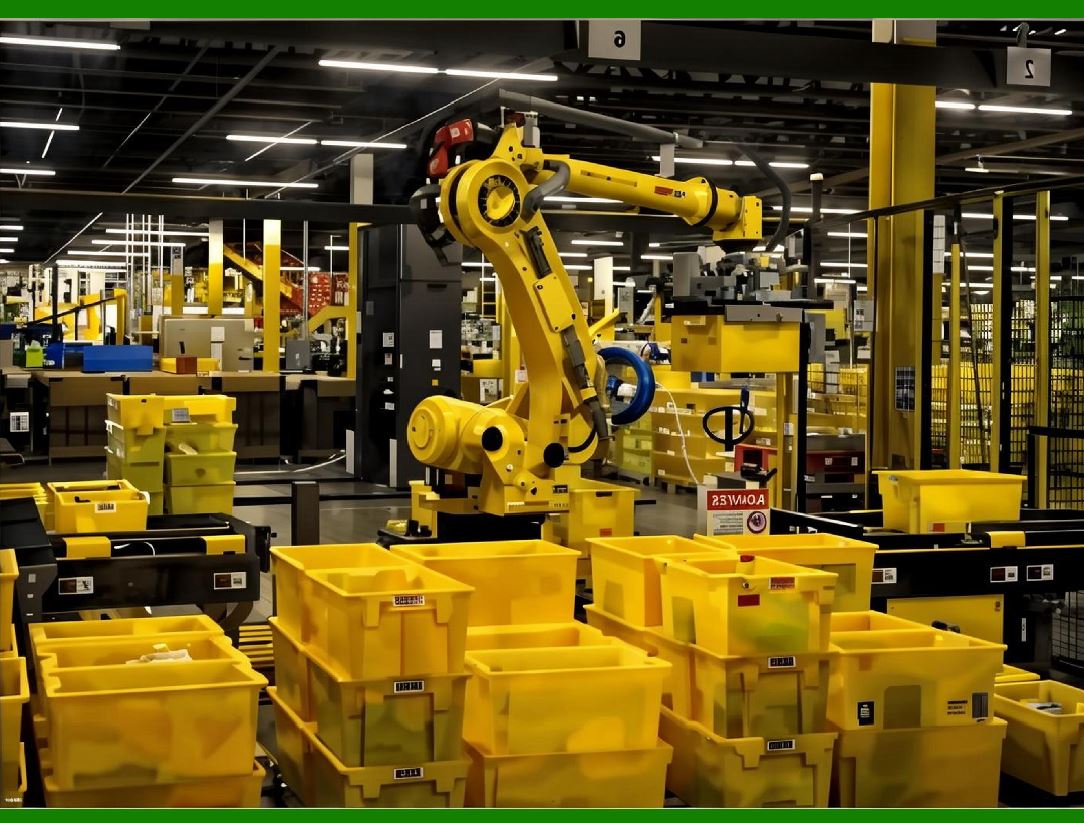
An articulated robot has a series of rotary joints, typically six, that allow it to move in a way that resembles a human arm. The base is usually mounted on the floor, and the arm extends upward and outward. The end of the arm, called the wrist, can be fitted with a variety of end effectors, such as grippers, vacuum cups, or forks. |
The key advantage of an articulated robot is its flexibility. It can reach into confined spaces, approach items from different angles, and place them in a wide range of positions. This makes it well suited to applications where the item orientation or placement pattern is complex. For example, an articulated robot can pick up a case from a conveyor, rotate it, and place it on a pallet in a specific orientation that interlocks with the surrounding cases. |
Articulated robots are available in a wide range of sizes, from small units that can lift a few kilograms to large units that can lift several hundred kilograms. This range makes them suitable for many different industries. |
The main disadvantage of an articulated robot is its footprint. Because the arm must be able to reach the entire pallet, the robot typically occupies a significant amount of floor space. It also requires safety fencing or other safeguards to prevent workers from entering its work envelope while it is operating. |
3.2 Cartesian Robots |
A Cartesian robot, also known as a gantry robot, moves along linear axes. The most common configuration has three axes: one for horizontal movement, one for vertical movement, and one for movement in the perpendicular horizontal direction. The robot is typically mounted on an overhead frame or gantry, and the end effector moves along the axes to pick and place items. |
The key advantage of a Cartesian robot is its simplicity and its small footprint at floor level. Because the axes are linear, the robot can be designed to cover a rectangular area with great precision. It is often faster than an articulated robot for simple pick-and-place tasks, because it does not need to rotate its joints. It is also easier to program for regular patterns, such as the rows and columns of a pallet. |
Cartesian robots are often used in applications where the items are uniform and the placement pattern is simple. They are also common in applications where the available floor space is limited, because the gantry can be mounted overhead. |
The main disadvantage of a Cartesian robot is its limited flexibility. It cannot easily reach around obstacles or approach items from arbitrary angles. It is also typically larger in overall size than an articulated robot, because the frame must span the entire work area. |
3.3 Choosing Between the Two |
The choice between an articulated robot and a Cartesian robot depends on several factors. If the application requires complex motions, varied item orientations, or the ability to reach into confined spaces, an articulated robot is usually the better choice. If the application involves uniform items, simple patterns, and limited floor space, a Cartesian robot may be more suitable. |
In practice, many palletizing systems use a combination of both types. For example, an articulated robot might be used to depalletize incoming goods, while a Cartesian robot builds outgoing pallets. The two types can also be integrated into a single cell, with each robot performing the task it does best. |
|
4. How Palletizing and Depalletizing Systems Work |
A palletizing or depalletizing system typically consists of several components working together. Understanding these components helps explain how the system operates and what factors affect its performance. |
4.1 The Robot |
The robot is the core of the system. It provides the motion and the reach needed to pick and place items. As discussed, it may be articulated or Cartesian, and it may be mounted on the floor, on a pedestal, or on an overhead gantry. |
4.2 The End Effector |
The end effector is the tool at the end of the robot arm. It is the part that actually touches the items. There are many types of end effectors, and the choice depends on the items being handled. |
Vacuum grippers use suction cups to lift items. They are common for boxes, bags, and flat surfaces. They are gentle on the product and can handle a variety of shapes, but they require a smooth, non-porous surface to create a seal. |
Mechanical grippers use fingers or clamps to grasp items. They are suitable for items that cannot be lifted by vacuum, such as those with rough or porous surfaces. They can be designed to handle specific shapes, such as bottles or cans. |
Fork-style end effectors use forks that slide under the item, similar to a forklift. They are used for heavy or irregular items that cannot be gripped from the top. |
Magnetic end effectors use magnets to lift ferrous items. They are used in metalworking and other industries where the product contains iron or steel. |
The end effector is often the most application-specific part of the system. A well-designed end effector can make the difference between a successful installation and a problematic one. |
4.3 The Pallet Dispenser |
A pallet dispenser stores empty pallets and feeds them into the system as needed. It may be a simple magazine that holds a stack of pallets, or it may be a more complex automated system that positions each pallet precisely for loading. |
4.4 The Conveyor System |
Conveyors bring items to the robot and take loaded pallets away. They may be simple belt conveyors, roller conveyors, or more specialized systems. The conveyor system must be designed to deliver items in a consistent orientation and at a consistent rate, so that the robot can pick them reliably. |
4.5 The Control System |
The control system coordinates all the components. It receives signals from sensors, such as photo eyes and limit switches, and sends commands to the robot, the conveyors, and the pallet dispenser. It also stores the palletizing patterns, which define how items are arranged on the pallet. |
Modern control systems often include software that allows the user to create and modify patterns easily. Some systems can even generate patterns automatically based on the dimensions of the item and the pallet. |
4.6 Safety Systems |
Safety is a critical consideration in any robotic installation. Safety systems may include fencing, light curtains, safety mats, and interlocks. The goal is to prevent workers from entering the robot's work envelope while it is operating, and to stop the robot immediately if someone does enter. |
In recent years, collaborative robots, or cobots, have become more common in palletizing applications. These robots are designed to work safely alongside humans, often at lower speeds and with force-limiting features. They are typically used for lighter loads and lower speeds than traditional industrial robots. |
|
5. Palletizing Patterns and Stability |
The way items are arranged on a pallet has a significant impact on the stability of the load and the efficiency of the operation. A well-designed pattern ensures that the load is stable during transport and that the pallet is used efficiently. |
There are several common patterns. A column stack places each item directly on top of the one below, creating vertical columns. This is simple but can be unstable if the items are not perfectly aligned. An interlocked stack, also known as a brick pattern, offsets each layer so that items overlap the gaps in the layer below. This creates a more stable load. |
Other patterns include the pinwheel, in which items are arranged around a central point, and the split pattern, in which the pallet is divided into sections. The choice of pattern depends on the size and shape of the items, the strength of the packaging, and the requirements of the customer or the transport method. |
Robots can execute these patterns with great precision. They can also mix patterns within a single pallet, for example by using a column stack for the first few layers and an interlocked stack for the rest. This flexibility is one of the advantages of robotic palletizing over manual palletizing. |
|
6. Depalletizing: The Reverse Process |
Depalletizing is the reverse of palletizing. Instead of building a pallet, the robot removes items from a pallet and places them onto a conveyor or into a production line. Depalletizing is common in industries where goods arrive on pallets and must be fed into a process. |
Depalletizing is often more challenging than palletizing for several reasons. First, the items on an incoming pallet may not be arranged in a known pattern. They may have shifted during transport, or they may have been stacked manually in an inconsistent way. The robot must be able to detect the actual position of each item, often using vision systems or sensors. |
Second, the items may be damaged or deformed, which can make them difficult to grip. Third, the pallet itself may be damaged, which can affect the stability of the load. |
To address these challenges, depalletizing systems often include vision systems that scan the pallet and determine the position and orientation of each item. The robot then adjusts its motion accordingly. Some systems also include force sensors that allow the robot to detect when it has made contact with an item, which helps prevent damage. |
Depalletizing is used in many industries. In food processing, for example, pallets of ingredients arrive at the plant and must be unloaded and fed into the production line. In beverage production, pallets of empty bottles or cans are depalletized and fed into filling machines. In electronics manufacturing, pallets of components are depalletized and fed into assembly lines. |
|
7. Applications in Food and Beverage |
The food and beverage industry is one of the largest users of palletizing and depalletizing robots. There are several reasons for this. First, the industry produces large volumes of uniform products, such as bottles, cans, boxes, and bags, which are well suited to robotic handling. Second, the industry often operates in harsh environments, such as cold storage or wash-down areas, where human workers may be uncomfortable or where hygiene requirements are strict. Third, labor shortages in the industry have made automation increasingly attractive. |
7.1 Beverage Production |
In a typical beverage plant, bottles or cans are filled, capped, labeled, and then packed into cases. The cases are then palletized for shipping. A robotic palletizer picks up each case and places it on a pallet according to a predetermined pattern. The robot can handle cases at high speed, often several per minute, and can build pallets that are stable and secure. |
Depalletizing is also common in beverage plants. Empty bottles or cans often arrive on pallets, and these must be depalletized and fed into the filling line. A robotic depalletizer removes the bottles or cans from the pallet and places them onto a conveyor. Vision systems are often used to ensure that the robot picks up the correct items and places them in the correct orientation. |
7.2 Bakery and Snack Foods |
Bakery and snack food producers use palletizing robots to handle bags of flour, sugar, and other ingredients, as well as finished products such as bread, cookies, and chips. Bags are challenging to handle because they are flexible and can change shape. Vacuum grippers with special cups are often used to handle bags reliably. |
In some cases, the robot must handle products that are still warm from the oven. This requires end effectors and robot components that can withstand higher temperatures. |
7.3 Meat and Poultry |
Meat and poultry processing plants use palletizing robots to handle boxes of frozen or chilled products. These environments are often cold and wet, which can be challenging for both robots and humans. Robots designed for these environments are sealed and use stainless steel components to resist corrosion. |
Depalletizing is also common in meat and poultry plants, where pallets of ingredients or packaging materials arrive and must be unloaded. |
7.4 Dairy Products |
Dairy plants use palletizing robots to handle cartons of milk, containers of yogurt, and blocks of cheese. These products are often heavy and must be handled carefully to avoid damage. Robots can be programmed to place items gently, reducing the risk of crushing or deformation. |
|
8. Applications in Consumer Goods |
The consumer goods industry produces a wide range of products, from soap and shampoo to detergent and paper products. Many of these products are packaged in boxes, bottles, or bags, and are well suited to robotic palletizing. |
8.1 Household Products |
Household products such as detergent, cleaning supplies, and paper towels are often palletized by robots. These products can be heavy and awkward to handle manually, so automation provides both safety and efficiency benefits. |
8.2 Personal Care Products |
Personal care products such as shampoo, lotion, and cosmetics are often packaged in bottles or jars. These items can be fragile and may require gentle handling. Robots with vacuum grippers or soft-touch end effectors are often used. |
8.3 Appliances |
Large appliances such as refrigerators, washing machines, and ovens are often palletized for shipping. These items are heavy and bulky, so large articulated robots are typically used. The robot must be able to handle the weight of the appliance and place it precisely on the pallet. |
|
9. Applications in Pharmaceuticals and Healthcare |
The pharmaceutical and healthcare industries have specific requirements for palletizing and depalletizing. Products must be handled carefully to avoid contamination, and traceability is often critical. |
9.1 Pharmaceutical Manufacturing |
Pharmaceutical manufacturers use palletizing robots to handle boxes of medication, bottles of liquid medicine, and other products. These items are often high-value, so the robot must be reliable and precise. Some systems include vision systems that verify that each item is correctly placed and that no items are missing. |
9.2 Medical Devices |
Medical devices such as syringes, catheters, and surgical instruments are often packaged in sterile boxes. Palletizing robots handle these boxes in cleanroom environments. The robots used in these environments are designed to meet strict cleanliness standards, with smooth surfaces and sealed components that can be easily cleaned. |
9.3 Healthcare Logistics |
In healthcare logistics, palletizing and depalletizing robots are used in distribution centers that supply hospitals and clinics. These centers handle a wide variety of products, from bandages to surgical equipment, and robots help ensure that orders are filled accurately and efficiently. |
|
10. Applications in Chemicals and Building Materials |
The chemicals and building materials industries often handle heavy, bulky, or hazardous products. Robots are well suited to these tasks because they can handle heavy loads and can operate in environments that are dangerous for humans. |
10.1 Chemical Products |
Chemical manufacturers use palletizing robots to handle bags of powder, drums of liquid, and boxes of finished products. Some chemicals are hazardous, so the robot may be enclosed in a protective cell to prevent exposure. In other cases, the robot may be designed to operate in a flammable atmosphere, with special motors and electrical components that do not produce sparks. |
10.2 Building Materials |
Building materials such as bricks, tiles, cement bags, and lumber are often palletized for shipping. These items are heavy and can be abrasive, so the robot must be robust. Large articulated robots with heavy-duty end effectors are commonly used. |
Depalletizing is also common in the building materials industry, where pallets of raw materials arrive at a plant and must be unloaded and fed into a process. |
|
11. Applications in Electronics and Technology |
The electronics industry produces a wide range of products, from tiny components to large appliances. Palletizing and depalletizing robots are used at various stages of the production and distribution process. |
11.1 Component Handling |
Electronic components such as circuit boards, chips, and connectors are often packaged in trays or reels. Palletizing robots handle these trays, placing them on pallets for storage or shipping. Because the components are small and delicate, the robot must be precise and gentle. |
11.2 Finished Electronics |
Finished electronics such as computers, televisions, and smartphones are often palletized for shipping. These items are high-value and can be damaged if mishandled, so robots with vacuum grippers or soft-touch end effectors are often used. |
11.3 E-Commerce Fulfillment |
The growth of e-commerce has created a huge demand for palletizing and depalletizing robots in fulfillment centers. These centers receive goods on pallets, depalletize them, and then palletize outgoing orders. Robots help these centers handle the high volume and wide variety of products that e-commerce involves. |
|
12. Applications in Agriculture and Food Processing |
Agriculture and food processing are closely related to the food and beverage industry, but they have some unique characteristics. Products are often harvested in bulk and must be processed quickly to avoid spoilage. |
12.1 Produce Handling |
Fruits and vegetables are often harvested into large bins or crates, which are then palletized for transport to processing plants. Robots can handle these heavy containers and place them on pallets for shipping. Depalletizing is also common at processing plants, where the containers are unloaded and the produce is fed into sorting and packing lines. |
12.2 Grain and Feed |
Grain and animal feed are often packaged in bags, which are palletized for shipping. These bags can be heavy and difficult to handle manually, so robots are often used. Vacuum grippers with special cups are used to handle the bags reliably. |
12.3 Seed and Fertilizer |
Seed and fertilizer companies use palletizing robots to handle bags of product. These bags can be heavy and may contain dust, so the robot may be enclosed in a protective cell. |

|
13. Applications in Warehousing and Distribution |
Warehousing and distribution centers are major users of palletizing and depalletizing robots. These facilities receive goods from many suppliers and ship them to many customers, so they must handle a wide variety of products and pallet configurations. |
13.1 Inbound Operations |
In inbound operations, pallets of goods arrive at the warehouse and must be unloaded. Depalletizing robots remove the items from the pallets and place them onto conveyors or into storage. Vision systems are often used to identify the items and determine their position. |
13.2 Outbound Operations |
In outbound operations, items are picked from storage and palletized for shipping. Palletizing robots build the pallets according to customer orders, which may include a mix of different products. The robot must be able to handle different item sizes and shapes and place them in a stable pattern. |
13.3 Cross-Docking |
Cross-docking is a logistics practice in which goods are transferred directly from inbound vehicles to outbound vehicles with minimal storage. Palletizing and depalletizing robots are used in cross-docking operations to move goods quickly and efficiently. The robot may depalletize an incoming pallet and then palletize the items onto an outgoing pallet, often in a different pattern. |
|
14. Applications in Third-Party Logistics |
Third-party logistics providers, often called 3PLs, handle logistics for other companies. They may operate warehouses, distribution centers, and transportation networks. Palletizing and depalletizing robots are increasingly common in 3PL operations because they help these providers handle a wide variety of products and customer requirements. |
14.1 Flexibility Requirements |
3PLs often handle products from many different clients, each with its own packaging and palletizing requirements. This means that the robots must be flexible and easy to reprogram. Modern palletizing software allows users to create and modify patterns quickly, which is essential in a 3PL environment. |
14.2 Peak Season Demands |
3PLs often experience peak seasons, such as the holiday shopping season, when volumes increase dramatically. Robots can operate around the clock, which helps 3PLs handle these peaks without hiring and training large numbers of temporary workers. |
14.3 Accuracy and Traceability |
3PLs must often provide accurate and timely information about the goods they handle. Palletizing and depalletizing robots can be integrated with warehouse management systems to provide real-time data about what has been received, stored, and shipped. |
|
15. Applications in Paper and Printing |
The paper and printing industry produces a wide range of products, from newsprint and office paper to books and magazines. These products are often heavy and are typically palletized for shipping. |
15.1 Paper Mills |
Paper mills produce large rolls of paper, which are often palletized for shipping. These rolls are heavy and can be difficult to handle manually, so robots are often used. The robot must be able to handle the weight of the roll and place it precisely on the pallet. |
15.2 Printing Plants |
Printing plants produce books, magazines, and other printed materials. These products are often stacked and palletized for shipping. Robots can handle the stacks and place them on pallets according to a predetermined pattern. |
15.3 Packaging Materials |
Companies that produce packaging materials, such as cardboard boxes and plastic containers, use palletizing robots to handle their products. These items are often lightweight and can be handled with vacuum grippers. |
|
16. Applications in Automotive and Heavy Manufacturing |
The automotive and heavy manufacturing industries use palletizing and depalletizing robots to handle parts and components. These items can be heavy and may require special end effectors. |
16.1 Parts Handling |
Automotive plants use palletizing robots to handle parts such as engines, transmissions, and body panels. These items are often heavy and must be handled carefully to avoid damage. Large articulated robots with special end effectors are often used. |
16.2 Component Feeding |
Depalletizing robots are used to feed components into assembly lines. For example, a robot might depalletize a stack of metal sheets and feed them into a stamping press. Vision systems are often used to ensure that the robot picks up the correct part and places it in the correct orientation. |
16.3 Tire Handling |
Tire manufacturers use palletizing robots to handle tires. Tires are bulky and can be difficult to handle manually. Robots with special end effectors can pick up tires and place them on pallets or in racks. |
17. Applications in Recycling and Waste Management |
The recycling and waste management industry handles a wide variety of materials, many of which are difficult to handle manually. Palletizing and depalletizing robots are used in some recycling facilities to handle bales of paper, plastic, and metal. |
17.1 Bale Handling |
Recycling facilities often compress paper, plastic, and metal into bales, which are then palletized for shipping. These bales are heavy and can be awkward to handle, so robots are sometimes used. The robot must be able to handle the weight of the bale and place it securely on the pallet. |
17.2 Sorting and Processing |
Depalletizing robots are used in some recycling facilities to unload pallets of materials and feed them into sorting and processing equipment. Vision systems can be used to identify the materials and ensure that they are sorted correctly. |

|
18. Benefits of Robotic Palletizing and Depalletizing |
The benefits of robotic palletizing and depalletizing are numerous and well documented. Understanding these benefits helps explain why the technology has become so widespread. |
18.1 Increased Productivity |
Robots can work faster and more consistently than human workers. They do not take breaks, do not get tired, and do not slow down over the course of a shift. This means that a robotic palletizing system can often achieve higher throughput than a manual system. |
18.2 Improved Safety |
Palletizing and depalletizing are physically demanding tasks that carry a high risk of injury. Robots remove workers from these tasks, reducing the risk of musculoskeletal disorders and other injuries. This is particularly important in industries where the items are heavy or the environment is harsh. |
18.3 Reduced Labor Costs |
While the initial investment in a robotic system can be significant, the long-term labor savings can be substantial. A single robot can replace one or more workers per shift, and it can operate around the clock. Over time, these savings can offset the cost of the robot and its maintenance. |
18.4 Consistent Quality |
Robots place items with a consistency that is difficult for humans to match. This consistency translates into more stable pallets, fewer damaged goods, and better overall quality. |
18.5 Flexibility |
Modern palletizing robots are highly flexible. They can be reprogrammed to handle different products and different pallet patterns. This makes them suitable for companies that produce a variety of products or that change their product mix frequently. |
18.6 Data Collection |
Robotic systems can collect data about the palletizing process, such as the number of items handled, the speed of the operation, and the occurrence of errors. This data can be used to improve efficiency and quality. |
|
19. Challenges and Considerations |
While robotic palletizing and depalletizing offer many benefits, there are also challenges and considerations that companies must address. |
19.1 Initial Cost |
The initial cost of a robotic palletizing system can be high. This includes the cost of the robot, the end effector, the conveyor system, the control system, and the safety systems. Companies must carefully evaluate the return on investment before committing to a system. |
19.2 Integration Complexity |
Integrating a robotic palletizing system into an existing production line can be complex. The system must be designed to work with the existing equipment, and the control system must be able to communicate with other systems. This requires careful planning and engineering. |
19.3 Flexibility Limitations |
While robots are flexible, they are not infinitely so. A robot that is designed to handle one type of product may not be able to handle another type without significant modifications. Companies must consider their current and future needs when selecting a system. |
19.4 Maintenance and Support |
Robotic systems require regular maintenance to keep them running smoothly. This includes cleaning, lubrication, and replacement of worn parts. Companies must have access to qualified technicians and spare parts. |
19.5 Safety |
Safety is a critical consideration. Robots can be dangerous if they are not properly safeguarded. Companies must ensure that their systems comply with all relevant safety standards and that workers are properly trained. |
19.6 Workforce Impact |
Automation can have an impact on the workforce. While it may eliminate some jobs, it can also create new jobs in areas such as robot programming, maintenance, and supervision. Companies must manage this transition carefully. |
|
20. Future Trends |
The field of robotic palletizing and depalletizing is continually evolving. Several trends are likely to shape the future of this technology. |
20.1 Collaborative Robots |
Collaborative robots, or cobots, are becoming more common in palletizing applications. These robots are designed to work safely alongside humans, often at lower speeds and with force-limiting features. They are typically used for lighter loads and lower speeds than traditional industrial robots, but they offer greater flexibility and are easier to integrate into existing workspaces. |
20.2 Artificial Intelligence and Machine Learning |
Artificial intelligence and machine learning are being used to improve the performance of palletizing and depalletizing robots. For example, machine learning algorithms can be used to optimize pallet patterns, predict maintenance needs, and improve the accuracy of vision systems. |
20.3 Vision Systems |
Vision systems are becoming more capable and more affordable. This is making it possible for robots to handle a wider variety of items and to adapt to changes in the position and orientation of items. Vision systems are particularly important in depalletizing, where the items on an incoming pallet may not be arranged in a known pattern. |
20.4 Mobile Robots |
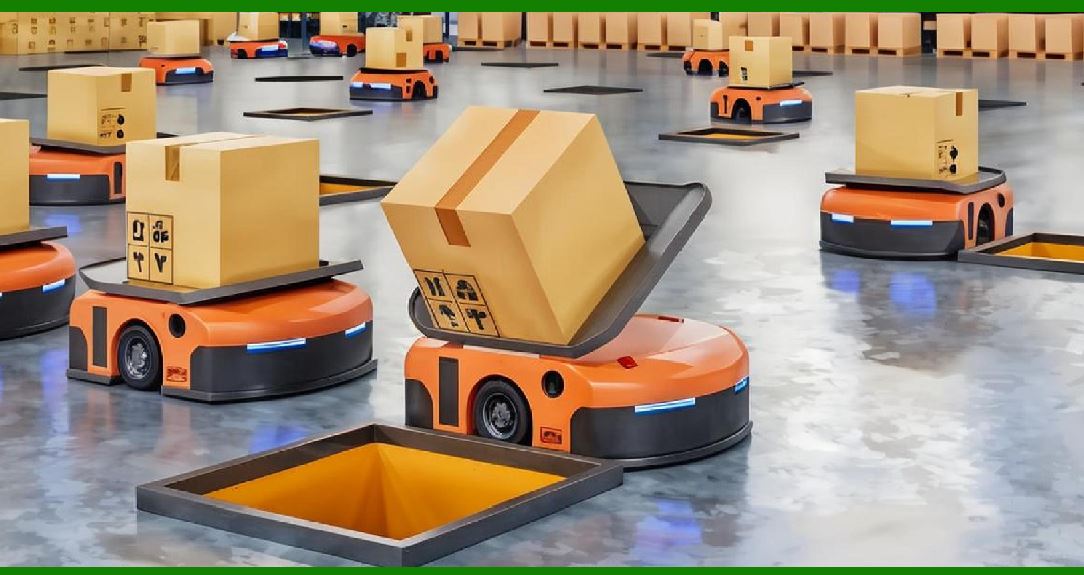
Mobile robots are being used in some warehouses and distribution centers to move pallets between locations. These robots can work alongside palletizing and depalletizing robots to create a fully automated material handling system. |
20.5 Cloud Connectivity |
Cloud connectivity is allowing palletizing and depalletizing robots to be monitored and controlled remotely. This makes it possible to diagnose problems, update software, and optimize performance without sending a technician to the site. |
20.6 Energy Efficiency |
Energy efficiency is becoming an increasingly important consideration. Manufacturers are developing robots that use less energy and that can recover energy during deceleration. This reduces operating costs and environmental impact. |
|
21. Detailed Summary |
Palletizing and depalletizing are fundamental processes in modern logistics and material handling. Palletizing involves stacking items onto a pallet, while depalletizing involves removing them. These processes are essential for efficient transportation, storage, and production, and they are used in a wide range of industries. |
Articulated robots and Cartesian robots are the two main types of robots used for these tasks. Articulated robots have rotary joints and are highly flexible, making them suitable for complex motions and varied item orientations. Cartesian robots move along linear axes and are simple, fast, and compact, making them suitable for uniform items and simple patterns. The choice between the two depends on the specific application, the available space, and the required speed and precision. |
A typical palletizing or depalletizing system includes the robot, the end effector, the pallet dispenser, the conveyor system, the control system, and safety systems. The end effector is the tool that actually touches the items, and it may use vacuum, mechanical grippers, forks, or magnets. The control system coordinates all the components and stores the palletizing patterns. |
Palletizing patterns are important for load stability and efficiency. Common patterns include column stacks, interlocked stacks, pinwheels, and split patterns. Robots can execute these patterns with great precision and can mix patterns within a single pallet. |
Depalletizing is often more challenging than palletizing because the items on an incoming pallet may not be arranged in a known pattern. Vision systems and sensors are often used to detect the position and orientation of each item. |
The applications of palletizing and depalletizing robots are incredibly diverse. In food and beverage, they handle bottles, cans, boxes, and bags in environments that may be cold, wet, or hot. In consumer goods, they handle products such as detergent, shampoo, and appliances. In pharmaceuticals and healthcare, they handle medication, medical devices, and supplies in cleanroom environments. In chemicals and building materials, they handle bags, drums, bricks, and lumber, often in hazardous or heavy-duty environments. In electronics and technology, they handle components and finished products, as well as supporting e-commerce fulfillment. In agriculture and food processing, they handle produce, grain, and seed. In warehousing and distribution, they support inbound, outbound, and cross-docking operations. In third-party logistics, they provide the flexibility and accuracy that 3PLs require. In paper and printing, they handle rolls, stacks, and packaging materials. In automotive and heavy manufacturing, they handle parts, components, and tires. In recycling and waste management, they handle bales and support sorting and processing. |
The benefits of robotic palletizing and depalletizing include increased productivity, improved safety, reduced labor costs, consistent quality, flexibility, and data collection. However, there are also challenges, including initial cost, integration complexity, flexibility limitations, maintenance and support, safety, and workforce impact. |
|
Looking to the future, several trends are likely to shape the field. Collaborative robots are becoming more common, offering greater flexibility and easier integration. Artificial intelligence and machine learning are improving performance and enabling new capabilities. Vision systems are becoming more capable and affordable, making it possible to handle a wider variety of items. Mobile robots are being used to move pallets between locations. Cloud connectivity is enabling remote monitoring and control. Energy efficiency is becoming an increasingly important consideration. |
In conclusion, palletizing and depalletizing are essential processes in modern industry, and robots are playing an increasingly important role in performing these tasks. Articulated and Cartesian robots each have their strengths and are used in different applications. The technology is continually evolving, and the future promises even greater capabilities and benefits. For companies that handle large volumes of goods, robotic palletizing and depalletizing can provide significant advantages in terms of productivity, safety, quality, and cost. As the technology continues to improve and become more affordable, it is likely that even more companies will adopt these systems in the years to come. |
 cs@easiersoft.com