Chapter 37: Chassis Assembly | Chapter Summary | Chassis assembly is one of the most demanding stages in modern manufacturing. It sits at the crossroads of heavy structural work and delicate precision tasks. A vehicle chassis, a machine frame, an electronics enclosure, or an appliance base must be strong, aligned, and reliable. At the same time, it must be assembled quickly enough to meet production targets. Collaborative robots, often called cobots, have become valuable partners in this environment. They are not just smaller versions of traditional industrial robots. They are designed to work alongside people, share space safely, and adapt to changing tasks. In chassis assembly, their most visible contribution is high precision screw driving in confined spaces. Their most important hidden contribution is real time joint load monitoring, which allows torque strategy optimization. This chapter explains how these capabilities work in plain language, then explores real applications across many industries, including automotive, aerospace, electronics, appliances, heavy machinery, furniture, medical equipment, and renewable energy. The goal is to show how cobots turn a difficult assembly step into a safer, smarter, and more flexible process. | 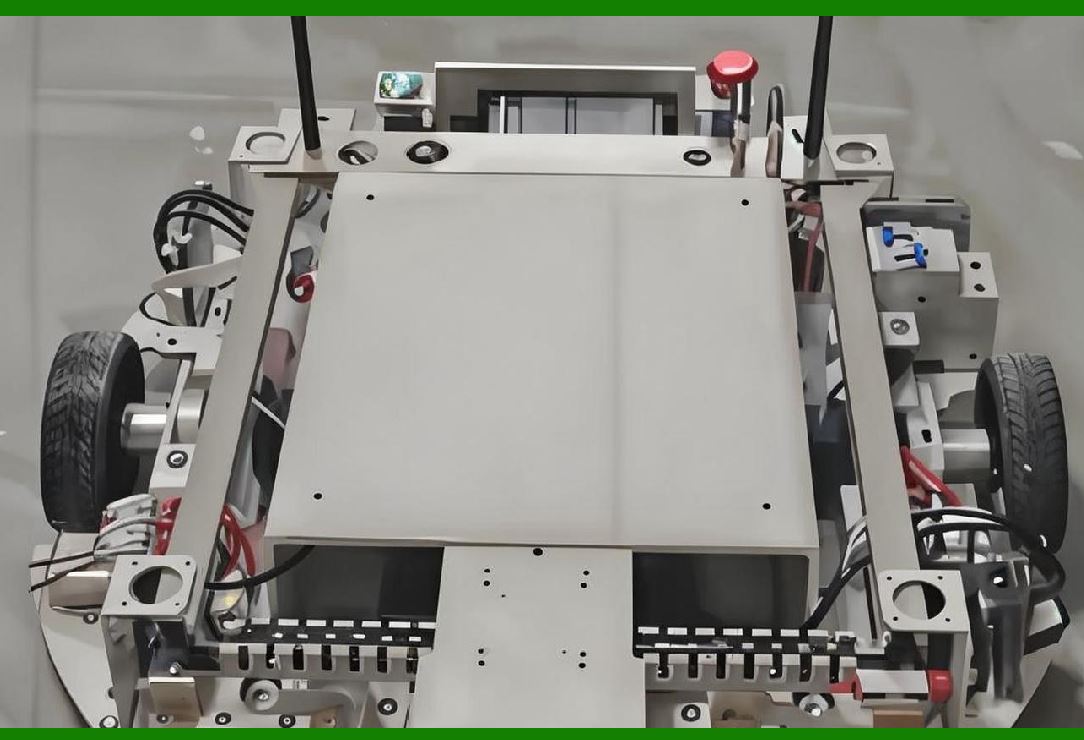
| 37.1 Why Chassis Assembly Is a Special Challenge | Chassis assembly is not a single task. It is a family of tasks that share common difficulties. First, the chassis is usually the foundation of the product. If it is misaligned, everything built on top of it will be misaligned too. Second, chassis parts are often large, heavy, or awkward to hold. Third, the fastening points are frequently deep inside narrow channels, behind panels, or between structural ribs. Fourth, the required torque must be exact. Too little torque and the joint loosens over time. Too much torque and the thread strips, the part cracks, or the material fatigues. Fifth, the operator may need to reach into a confined space where a traditional robot arm cannot fit or cannot see. Sixth, production volumes change. A chassis line may need to switch between models, sizes, or custom configurations many times per day. | Traditional automation handles some of these problems well. A fixed robot can drive thousands of identical screws with great speed and repeatability. But traditional robots are often large, fenced off, and expensive to reprogram. They also struggle when the chassis position varies slightly, when the screw hole is hidden, or when a human needs to work in the same space. Collaborative robots address these gaps. They are compact, force limited, easy to move, and designed for human interaction. In chassis assembly, they bring three practical advantages: access, adaptability, and awareness. | Access means the cobot can reach into tight spaces because its arm is slender and its joints are compact. Adaptability means it can be redeployed to a new chassis model with simple teaching or software updates. Awareness means it can measure forces and torques at its joints in real time, detect anomalies, and adjust its strategy on the fly. The rest of this chapter explains how these advantages translate into real work. | 
| 37.2 The Role of Collaborative Robots in Chassis Assembly | A collaborative robot is a robot designed to share a workspace with humans. It typically has six or seven joints, a payload between three and twenty kilograms, and a force sensing system. Some cobots sense force through joint torque sensors. Others use a wrist force torque sensor. Many use both. In chassis assembly, the cobot is usually mounted on a mobile base, a linear rail, or a pedestal near the chassis. It may hold a screwdriver, a nut runner, a gripper, a camera, or a combination tool. The human worker may present the chassis, guide the cobot, inspect the result, or perform tasks that are still too complex for the robot. | The most common cobot task in chassis assembly is screw driving. Screw driving seems simple, but in a chassis it is not. The screw may be deep inside a channel. The approach angle may be awkward. The thread may be slightly misaligned. The material may be soft aluminum, hard steel, or composite. The screw may be small and delicate or large and stubborn. A cobot with joint load monitoring can feel the difference. It can detect when the screw has seated, when the thread is cross threaded, when the hole is blocked, or when the material is yielding. It can then adjust speed, torque, or angle to complete the task without damage. | Real time joint load monitoring is the key. Every time the cobot moves, its joints experience forces and torques. Sensors measure these values many times per second. The robot controller compares them to expected values. If the measured values deviate, the controller can respond immediately. For example, if the torque rises too quickly, the controller can slow down. If the force drops suddenly, the controller can stop and retract. If the screw is cross threaded, the controller can reverse, reposition, and try again. This is torque strategy optimization. It is not a fixed recipe. It is a dynamic process that adapts to the actual condition of each joint. | 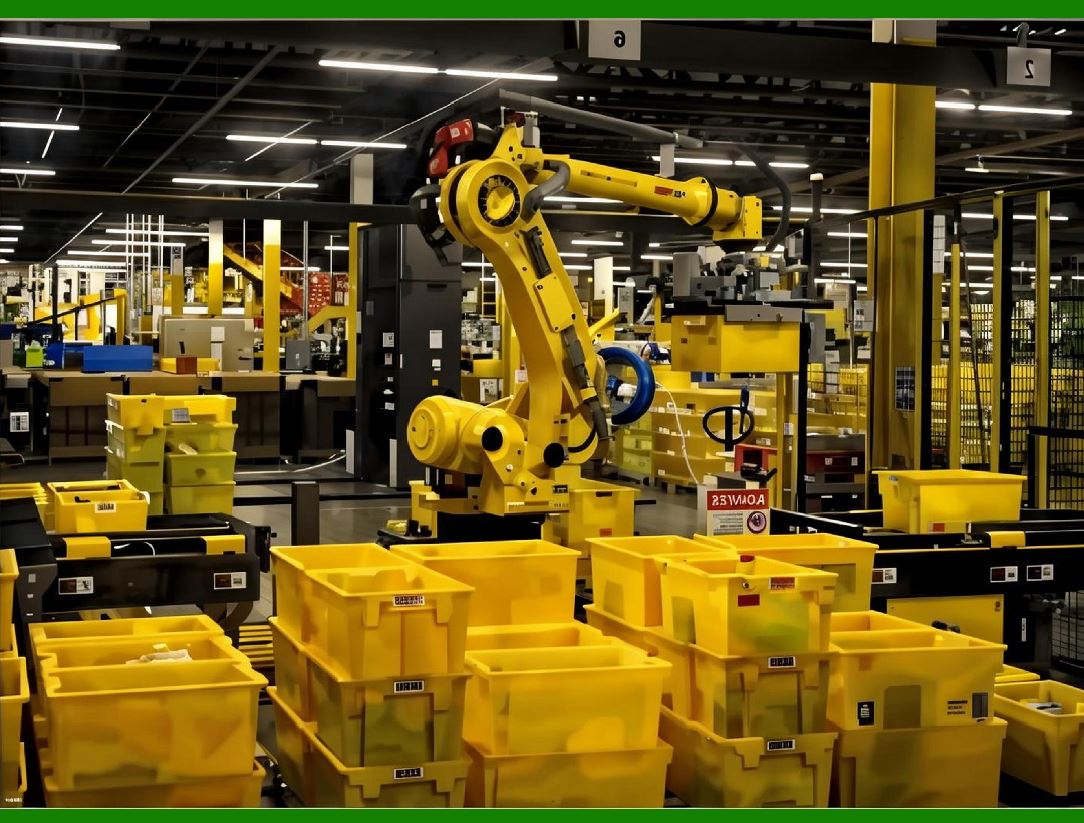
| 37.3 How Real Time Joint Load Monitoring Works in Plain Language | Imagine you are tightening a screw by hand. You can feel when it starts to bite, when it gets harder, and when it is tight. You can also feel when it slips or strips. A cobot with joint load monitoring has a similar sense of touch. Its joints contain sensors that measure how much force and torque they are experiencing. The controller reads these sensors constantly. It builds a picture of what is happening at the tool tip. When the cobot pushes a screw into a hole, the sensors detect the resistance. When the screw threads engage, the sensors detect a change in torque. When the screw seats, the sensors detect a sharp rise in torque. If the screw strips, the sensors detect a sudden drop. The controller uses this information to decide what to do next. | This is important because chassis assembly often involves blind fastening. The screw hole may be hidden from the camera. The operator may not be able to see the screw. The cobot must rely on touch. Joint load monitoring gives the cobot that touch. It also allows the cobot to be gentle. If a human hand enters the workspace, the cobot can feel the contact and stop. This is a safety feature. It also allows the cobot to collaborate. The human can guide the cobot by pushing its arm. The cobot feels the push and moves accordingly. This is called hand guiding. It is useful for teaching new positions or for fine adjustment during assembly. | Torque strategy optimization builds on this sensing. The controller does not just measure torque. It uses torque data to choose the best strategy for each screw. For a soft material, it may use a lower torque and a slower speed. For a hard material, it may use a higher torque and a faster speed. For a cross threaded screw, it may reverse and retry. For a screw that is already tight, it may stop immediately. This optimization reduces damage, improves quality, and increases speed. It also reduces the need for expensive fixtures that hold the chassis in a perfect position. The cobot can adapt to small variations in position because it can feel its way. | 
| 37.4 Automotive Chassis Assembly | The automotive industry is the largest user of collaborative robots in chassis assembly. A car chassis, also called a platform or body in white, has hundreds of screws, bolts, and rivets. Many of them are in confined spaces. For example, the shock tower area, the rocker panel, the floor pan, and the subframe mounts are all difficult to reach. Traditional robots can reach some of these points, but they are large and must be fenced off. Cobots can be placed directly on the line, next to the human worker. They can drive screws in the tight spots while the human handles the larger bolts or the flexible parts. | One common application is seat frame assembly. The seat frame is a metal chassis that holds the cushion, the backrest, and the adjustment mechanisms. It has many small screws in narrow channels. A cobot with a compact screwdriver can reach into these channels. Its joint load monitoring detects when the screw is seated. It can also detect when the screw is cross threaded. If the thread is bad, the cobot stops and signals the operator. The operator can then fix the thread and restart the cobot. This prevents damage to the seat frame and reduces rework. | Another application is battery pack assembly for electric vehicles. The battery pack is a large chassis that holds many battery modules. It must be sealed and structurally sound. The screws that hold the pack together are often in deep recesses. A cobot can drive these screws with precise torque. Its joint load monitoring ensures that each screw is tight enough to seal the pack but not so tight that it cracks the plastic or damages the cell. The cobot can also verify that each screw is present. If a screw is missing, the torque profile will be different. The controller detects this and alerts the operator. This is a form of quality control that does not require a separate inspection step. | A third application is underbody assembly. The underbody of a car has many brackets, shields, and lines that must be attached with screws. These points are often overhead or in awkward positions. A cobot mounted on a mobile base can roll under the chassis and drive the screws from below. Its joint load monitoring helps it avoid cross threading and over tightening. It can also work safely near a human who is working on the same underbody. If the human bumps the cobot, the cobot feels the force and stops. This allows the human and the cobot to share the same space without a fence. | 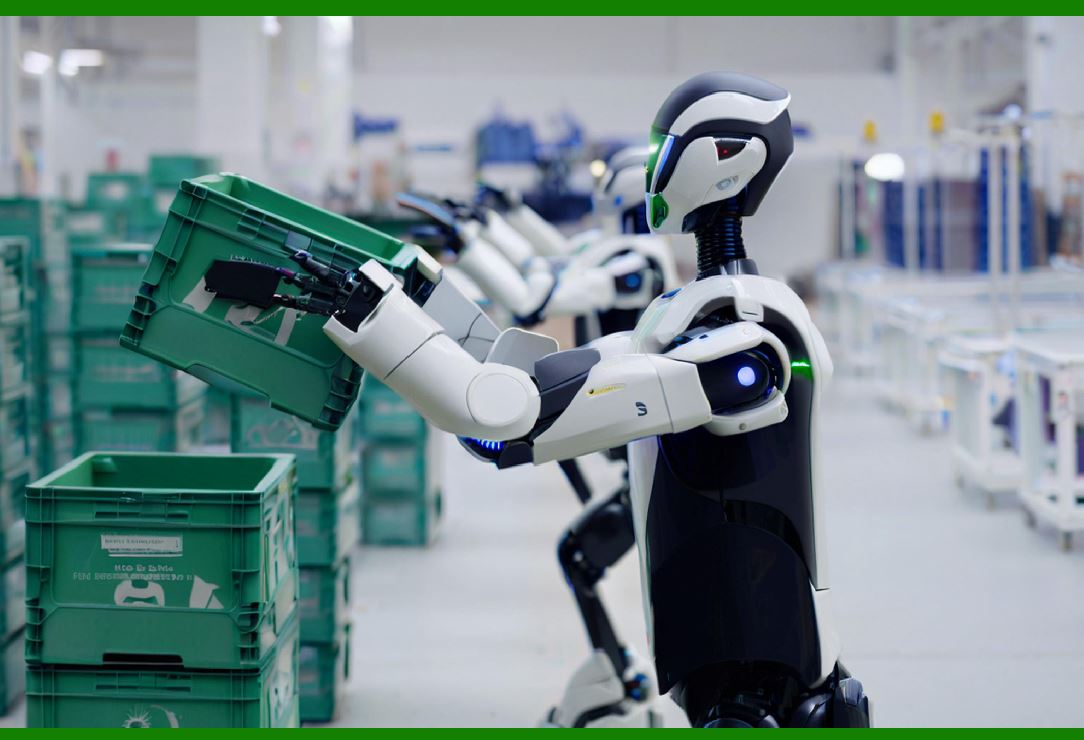
| 37.5 Aerospace Chassis Assembly | Aerospace chassis assembly is different from automotive assembly. The volumes are lower, the tolerances are tighter, and the materials are often exotic. An aircraft fuselage, a satellite frame, or a drone chassis may be made of carbon fiber, titanium, or aluminum lithium. These materials are strong but delicate. Over tightening a screw can cause delamination or cracking. Under tightening can cause a joint to fail in flight. Collaborative robots are used in aerospace for drilling, riveting, and screw driving. In chassis assembly, they are especially useful for attaching brackets, panels, and internal frames. | One example is satellite chassis assembly. A satellite chassis is a box that holds the electronics, the propulsion system, and the payload. It has many small screws in tight spaces. The screws must be torqued to exact values. A cobot with a torque controlled screwdriver can drive these screws with high precision. Its joint load monitoring detects the moment the screw seats. It can also detect if the screw is binding. If the torque rises too quickly, the cobot stops before damaging the thread. This is critical because a stripped screw in a satellite chassis can be very expensive to fix. | Another example is aircraft interior chassis assembly. The overhead bins, the seat frames, and the galley structures are all chassis that must be assembled with screws. These assemblies are often built in small cells where a human works alongside a cobot. The cobot drives the screws in the tight spots while the human handles the larger panels. The cobot's force sensing allows it to work safely near the human. If the human's hand enters the workspace, the cobot stops. This reduces the risk of injury and allows the human and the cobot to work together efficiently. | A third example is drone chassis assembly. Drones are used for delivery, inspection, and defense. Their chassis are lightweight and compact. They have many small screws that hold the arms, the motors, and the landing gear. A cobot can drive these screws with precise torque. Its joint load monitoring ensures that the screws are tight enough to withstand vibration but not so tight that they crush the carbon fiber. The cobot can also be reprogrammed quickly to assemble a different drone model. This is important because drone manufacturers often produce many variants in small batches. | 
| 37.6 Electronics Chassis Assembly | Electronics chassis, also called enclosures or racks, hold circuit boards, power supplies, and cooling systems. They are often made of sheet metal or aluminum. They have many small screws in confined spaces. The screws must be tight enough to ground the chassis and hold the components, but not so tight that they strip the threads or crack the boards. Collaborative robots are used in electronics chassis assembly for screw driving, nut running, and connector insertion. | One example is server rack assembly. A server rack is a tall chassis that holds many servers, switches, and storage units. It has hundreds of screws that hold the rails, the shelves, and the panels. A cobot can drive these screws in sequence. Its joint load monitoring detects when a screw is cross threaded or when a hole is misaligned. If a screw does not seat properly, the cobot stops and alerts the operator. This prevents damage to the rack and ensures that the servers are properly grounded. | Another example is medical device chassis assembly. A medical device, such as an MRI machine or a surgical robot, has a chassis that must be clean, strong, and precise. The screws must be torqued to exact values to avoid vibration and electrical noise. A cobot with a torque controlled screwdriver can drive these screws with high repeatability. Its joint load monitoring ensures that each screw is tight. It can also create a record of the torque profile for each screw. This record is useful for quality control and regulatory compliance. | A third example is consumer electronics chassis assembly. A smartphone, a laptop, or a tablet has a small chassis that holds the screen, the battery, and the circuit boards. The screws are tiny and the spaces are very tight. A cobot with a micro screwdriver can drive these screws. Its joint load monitoring detects when the screw is seated. It can also detect if the screw is stripped. If the torque drops suddenly, the cobot stops. This prevents damage to the delicate components. The cobot can also be reprogrammed quickly to assemble a different model. This is important because consumer electronics models change frequently. | 
| 37.7 Appliance Chassis Assembly | Appliance chassis, such as those in washing machines, refrigerators, and air conditioners, are large and sturdy. They must hold heavy components and withstand vibration. The screws are often large and the spaces are sometimes tight. Collaborative robots are used in appliance chassis assembly for screw driving, riveting, and clinching. They are especially useful for attaching the motor, the compressor, and the panels. | One example is washing machine chassis assembly. The chassis is a metal frame that holds the drum, the motor, and the control panel. It has many screws in confined spaces. A cobot can drive these screws with precise torque. Its joint load monitoring detects when a screw is cross threaded or when a hole is misaligned. If a screw does not seat properly, the cobot stops and alerts the operator. This prevents damage to the chassis and ensures that the washing machine is balanced. | Another example is refrigerator chassis assembly. The chassis is a metal box that holds the compressor, the condenser, and the shelves. It has many screws that must be tight to prevent leaks. A cobot can drive these screws with precise torque. Its joint load monitoring ensures that each screw is tight enough to seal the chassis but not so tight that it strips the thread. The cobot can also work safely near a human who is installing the insulation or the shelves. | A third example is air conditioner chassis assembly. The chassis holds the compressor, the fan, and the coils. It has many screws in tight spaces. A cobot can drive these screws with precise torque. Its joint load monitoring ensures that the screws are tight enough to withstand vibration. It can also detect if a screw is missing. If the torque profile is different, the cobot stops and alerts the operator. This prevents a defective unit from leaving the factory. | 
| 37.8 Heavy Machinery Chassis Assembly | Heavy machinery chassis, such as those in tractors, excavators, and cranes, are very large and very heavy. They must withstand extreme forces. The screws and bolts are large and the torque requirements are high. Collaborative robots are used in heavy machinery chassis assembly for bolt tightening, pin insertion, and component alignment. They are often mounted on mobile bases or overhead rails to reach the large chassis. | One example is tractor chassis assembly. The chassis is a heavy frame that holds the engine, the transmission, and the wheels. It has many large bolts that must be tightened to high torque. A cobot with a high torque nut runner can tighten these bolts. Its joint load monitoring ensures that each bolt is tight enough. It can also detect if a bolt is cross threaded. If the torque rises too quickly, the cobot stops before damaging the thread. This is important because a stripped bolt in a tractor chassis can be very expensive to fix. | Another example is excavator chassis assembly. The chassis is a heavy frame that holds the tracks, the cab, and the boom. It has many large bolts and pins. A cobot can insert the pins and tighten the bolts. Its joint load monitoring helps it align the parts. If a pin does not fit, the cobot can adjust its position. This reduces the need for manual adjustment and speeds up the assembly process. | A third example is crane chassis assembly. The chassis is a heavy frame that holds the engine, the outriggers, and the boom. It has many large bolts that must be tightened to high torque. A cobot can tighten these bolts with precise torque. Its joint load monitoring ensures that each bolt is tight. It can also work safely near a human who is inspecting the welds or the wiring. | 
| 37.9 Furniture Chassis Assembly | Furniture chassis, such as those in office chairs, desks, and cabinets, are often made of wood, metal, or plastic. They have many screws in confined spaces. The screws must be tight enough to hold the furniture together but not so tight that they strip the wood or crack the plastic. Collaborative robots are used in furniture chassis assembly for screw driving, dowel insertion, and bracket attachment. | One example is office chair chassis assembly. The chassis is a metal frame that holds the seat, the backrest, and the wheels. It has many screws in tight spaces. A cobot can drive these screws with precise torque. Its joint load monitoring detects when the screw is seated. It can also detect if the screw is cross threaded. If the thread is bad, the cobot stops and signals the operator. This prevents damage to the chair and reduces rework. | Another example is desk chassis assembly. The chassis is a metal frame that holds the top, the legs, and the drawers. It has many screws in confined spaces. A cobot can drive these screws with precise torque. Its joint load monitoring ensures that each screw is tight. It can also work safely near a human who is installing the top or the drawers. If the human's hand enters the workspace, the cobot stops. This allows the human and the cobot to work together efficiently. | A third example is cabinet chassis assembly. The chassis is a wooden or metal box that holds the doors, the shelves, and the drawers. It has many screws in tight spaces. A cobot can drive these screws with precise torque. Its joint load monitoring ensures that each screw is tight enough to hold the cabinet together but not so tight that it cracks the wood. The cobot can also be reprogrammed quickly to assemble a different cabinet model. This is important because furniture manufacturers often produce many variants in small batches. | 
| 37.10 Medical Equipment Chassis Assembly | Medical equipment chassis, such as those in hospital beds, imaging machines, and surgical robots, must be clean, strong, and precise. The screws must be torqued to exact values to avoid vibration and electrical noise. Collaborative robots are used in medical equipment chassis assembly for screw driving, nut running, and component alignment. | One example is hospital bed chassis assembly. The chassis is a metal frame that holds the mattress, the motors, and the controls. It has many screws in confined spaces. A cobot can drive these screws with precise torque. Its joint load monitoring ensures that each screw is tight. It can also detect if a screw is cross threaded. If the thread is bad, the cobot stops and signals the operator. This prevents damage to the bed and ensures that it is safe for patients. | Another example is imaging machine chassis assembly. The chassis is a large frame that holds the scanner, the patient table, and the electronics. It has many screws in tight spaces. A cobot can drive these screws with precise torque. Its joint load monitoring ensures that each screw is tight. It can also create a record of the torque profile for each screw. This record is useful for quality control and regulatory compliance. | A third example is surgical robot chassis assembly. The chassis is a precision frame that holds the arms, the cameras, and the instruments. It has many small screws in confined spaces. A cobot can drive these screws with precise torque. Its joint load monitoring ensures that each screw is tight. It can also detect if a screw is stripped. If the torque drops suddenly, the cobot stops. This prevents damage to the delicate components and ensures that the surgical robot is safe for patients. | 
| 37.11 Renewable Energy Chassis Assembly | Renewable energy chassis, such as those in solar panels, wind turbines, and battery storage systems, must be strong, weather resistant, and reliable. The screws must be tight enough to withstand wind and vibration but not so tight that they crack the materials. Collaborative robots are used in renewable energy chassis assembly for screw driving, bolt tightening, and component alignment. | One example is solar panel chassis assembly. The chassis is an aluminum frame that holds the photovoltaic cells. It has many screws in tight spaces. A cobot can drive these screws with precise torque. Its joint load monitoring ensures that each screw is tight. It can also detect if a screw is cross threaded. If the thread is bad, the cobot stops and signals the operator. This prevents damage to the panel and ensures that it is weather resistant. | Another example is wind turbine chassis assembly. The chassis is a large steel frame that holds the generator, the gearbox, and the blades. It has many large bolts that must be tightened to high torque. A cobot with a high torque nut runner can tighten these bolts. Its joint load monitoring ensures that each bolt is tight. It can also detect if a bolt is cross threaded. If the torque rises too quickly, the cobot stops before damaging the thread. This is important because a stripped bolt in a wind turbine chassis can be very expensive to fix. | A third example is battery storage chassis assembly. The chassis is a metal box that holds the battery modules and the power electronics. It has many screws in confined spaces. A cobot can drive these screws with precise torque. Its joint load monitoring ensures that each screw is tight enough to seal the chassis but not so tight that it damages the cells. The cobot can also work safely near a human who is installing the wiring or the cooling system. | 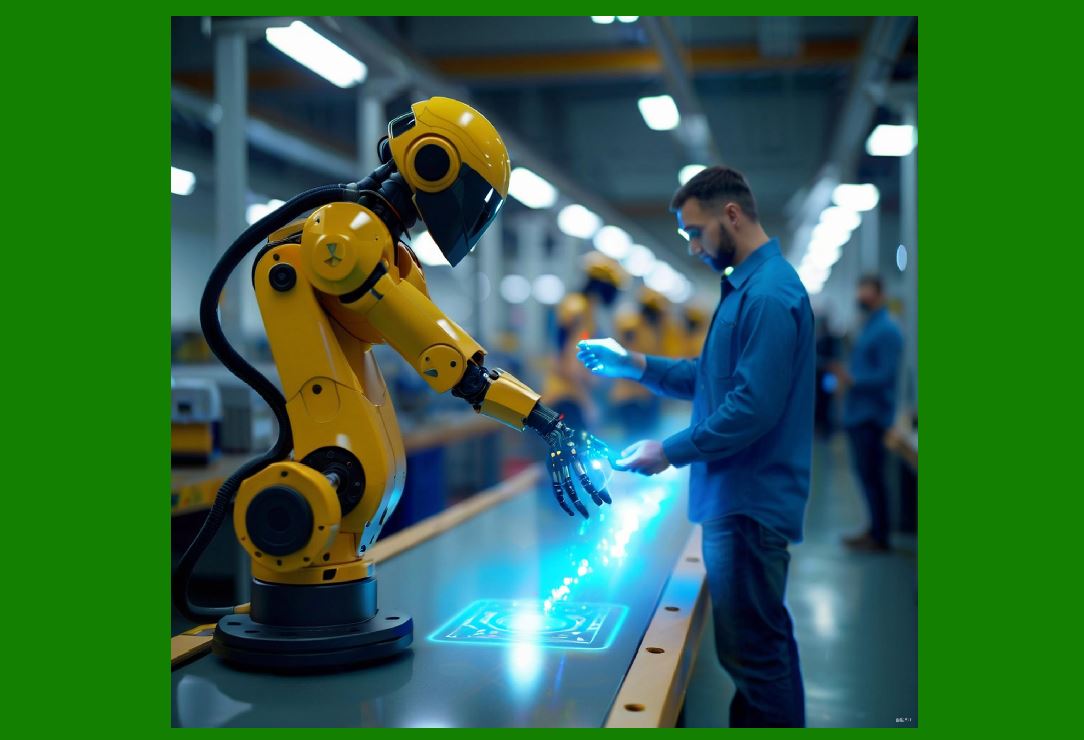
| 37.12 Safety and Collaboration in Chassis Assembly | Safety is a primary concern in chassis assembly. The cobot must not hurt the human worker. The human worker must not hurt the cobot. The product must not be damaged. Collaborative robots address these concerns in several ways. First, they are force limited. If the cobot hits a human, the force is limited to a safe level. Second, they have safety rated sensors. If the cobot detects an unexpected force, it stops. Third, they can be programmed to slow down or stop when a human enters the workspace. Fourth, they can be equipped with cameras, scanners, or light curtains to detect humans. Fifth, they can be designed with rounded edges and no pinch points. | In chassis assembly, safety and collaboration go hand in hand. The cobot and the human often work on the same chassis at the same time. The human may present the chassis, guide the cobot, or inspect the result. The cobot may drive the screws, hold the parts, or apply force. This requires a shared understanding of the task. The cobot must know where the human is. The human must know where the cobot is. This is achieved through sensors, signals, and software. For example, the cobot may have a light that shows its status. The human may have a button that pauses the cobot. The cell may have a scanner that detects when a human enters. These features allow the human and the cobot to work together safely and efficiently. | 
| 37.13 Programming and Teaching for Chassis Assembly | Programming a cobot for chassis assembly is different from programming a traditional robot. Traditional robots are programmed with code. Cobots are often programmed by teaching. The operator takes the cobot by the hand and guides it through the motion. The cobot records the positions. The operator then sets the torque, the speed, and the safety limits. This is called hand guiding. It is intuitive and fast. It allows the operator to program the cobot without knowing how to write code. | For chassis assembly, teaching is often done in a few steps. First, the operator mounts the screwdriver on the cobot. Second, the operator guides the cobot to the first screw. Third, the operator sets the torque and the speed. Fourth, the operator records the position. Fifth, the operator repeats for the other screws. Sixth, the operator sets the safety limits. Seventh, the operator tests the program. This process can take a few hours for a simple chassis and a few days for a complex one. It is much faster than traditional robot programming, which can take weeks. | Cobots can also be programmed with software. Some manufacturers provide graphical interfaces that allow the operator to drag and drop commands. Others provide APIs that allow engineers to write custom code. In chassis assembly, software programming is useful for complex tasks, such as adaptive screw driving or torque strategy optimization. For example, the engineer can write a program that reads the joint load data and adjusts the torque in real time. This allows the cobot to handle variations in the chassis, the screw, or the material. | 
| 37.14 Quality Control and Traceability | Quality control is critical in chassis assembly. A loose screw can cause a failure. A stripped screw can cause a recall. A missing screw can cause a safety hazard. Collaborative robots help with quality control in several ways. First, they can measure the torque profile for each screw. The profile is a record of how the torque changed over time. If the profile is correct, the screw is good. If the profile is wrong, the screw is bad. Second, they can verify that each screw is present. If a screw is missing, the torque profile will be different. Third, they can verify that each screw is in the correct position. If the screw is in the wrong position, the cobot will not be able to drive it. Fourth, they can create a record of the assembly. This record includes the torque, the angle, the time, and the result. It can be stored in a database for traceability. | Traceability is important for many industries. In automotive, traceability helps with recalls. If a defect is found, the manufacturer can identify the affected vehicles. In aerospace, traceability helps with safety. If a failure occurs, the manufacturer can identify the cause. In medical equipment, traceability helps with regulatory compliance. If an audit occurs, the manufacturer can provide the records. Collaborative robots make traceability easy because they generate data automatically. This data can be used to improve the process, reduce defects, and increase customer satisfaction. | 
| 37.15 Economic Benefits of Collaborative Robots in Chassis Assembly | Collaborative robots offer several economic benefits in chassis assembly. First, they reduce labor costs. A cobot can work continuously without breaks. It can perform the repetitive tasks that humans find boring or tiring. This allows the human workers to focus on the tasks that require judgment, creativity, or dexterity. Second, they improve quality. A cobot can drive screws with high repeatability. It can detect defects and stop before damage occurs. This reduces rework and scrap. Third, they increase flexibility. A cobot can be reprogrammed quickly to assemble a different chassis. This allows the manufacturer to produce many variants in small batches. Fourth, they reduce floor space. A cobot is compact and does not need a fence. This allows the manufacturer to use the space more efficiently. Fifth, they improve safety. A cobot is force limited and can stop when a human enters the workspace. This reduces the risk of injury and the cost of insurance. | The payback period for a cobot in chassis assembly is often less than one year. The exact payback depends on the application, the labor rate, and the production volume. In high volume applications, the payback can be a few months. In low volume applications, the payback can be a few years. In all cases, the cobot provides a flexible and scalable solution that can grow with the business. | 
| 37.16 Limitations and Challenges | Collaborative robots are not perfect. They have limitations and challenges. First, they are slower than traditional robots. A cobot may take twice as long to drive a screw as a traditional robot. This is because cobots are designed to be safe and gentle, not fast and powerful. Second, they have lower payloads. A cobot may only lift a few kilograms. This limits the size of the screwdriver and the parts it can handle. Third, they have limited reach. A cobot may only reach a few feet. This limits the size of the chassis it can assemble. Fourth, they require careful risk assessment. The manufacturer must analyze the task and ensure that the cobot is safe. This can be time consuming and expensive. Fifth, they require training. The operators must learn how to program and use the cobot. This can take time and money. | Despite these limitations, collaborative robots are becoming more capable. New models have higher payloads, longer reaches, and faster speeds. New sensors have better resolution and faster response times. New software has more features and easier interfaces. As these technologies improve, cobots will become even more useful in chassis assembly. | 
| 37.17 Future Trends | The future of collaborative robots in chassis assembly is bright. Several trends are driving growth. First, artificial intelligence is making cobots smarter. AI can help cobots recognize patterns, predict failures, and optimize torque strategies. Second, machine learning is making cobots more adaptable. Machine learning can help cobots learn from experience and improve over time. Third, cloud computing is making cobots more connected. Cloud computing can help cobots share data, coordinate tasks, and access remote support. Fourth, mobile robots are making cobots more flexible. Mobile robots can move the cobot to different parts of the factory. Fifth, human robot collaboration is becoming more seamless. New sensors and interfaces allow humans and cobots to work together more naturally. | In chassis assembly, these trends will lead to several advances. Cobots will be able to assemble larger and more complex chassis. They will be able to adapt to more variations in the chassis, the screw, and the material. They will be able to work faster and more precisely. They will be able to collaborate more closely with humans. They will be able to learn from each other and from the cloud. They will be able to provide more data for quality control and traceability. In short, cobots will become indispensable partners in chassis assembly. | 
| 37.18 Detailed Summary | This chapter has explored the role of collaborative robots in chassis assembly, with a focus on high precision screw driving in confined spaces and real time joint load monitoring for torque strategy optimization. It began with a summary of the chapter and an explanation of why chassis assembly is a special challenge. It then described the role of collaborative robots, how real time joint load monitoring works, and how torque strategy optimization improves quality and speed. It then explored applications across many industries, including automotive, aerospace, electronics, appliances, heavy machinery, furniture, medical equipment, and renewable energy. It then discussed safety and collaboration, programming and teaching, quality control and traceability, economic benefits, limitations and challenges, and future trends. | The key points are as follows. Chassis assembly is difficult because it involves large parts, tight spaces, exact torque, and changing production volumes. Collaborative robots address these difficulties with access, adaptability, and awareness. Real time joint load monitoring gives cobots a sense of touch. It allows them to detect when a screw is seated, when it is cross threaded, when it is stripped, or when it is missing. Torque strategy optimization uses this data to adjust speed, torque, and angle in real time. This reduces damage, improves quality, and increases speed. Cobots are used in automotive chassis assembly for seat frames, battery packs, and underbodies. They are used in aerospace for satellite frames, aircraft interiors, and drone chassis. They are used in electronics for server racks, medical devices, and consumer electronics. They are used in appliances for washing machines, refrigerators, and air conditioners. They are used in heavy machinery for tractors, excavators, and cranes. They are used in furniture for office chairs, desks, and cabinets. They are used in medical equipment for hospital beds, imaging machines, and surgical robots. They are used in renewable energy for solar panels, wind turbines, and battery storage. Safety and collaboration are ensured through force limiting, safety rated sensors, speed and separation monitoring, and human detection. Programming is done through hand guiding and software interfaces. Quality control is done through torque profiling, presence verification, and traceability. Economic benefits include reduced labor costs, improved quality, increased flexibility, reduced floor space, and improved safety. Limitations include lower speed, lower payload, shorter reach, risk assessment, and training. Future trends include artificial intelligence, machine learning, cloud computing, mobile robots, and seamless human robot collaboration. | 
| In conclusion, collaborative robots are transforming chassis assembly. They are not just tools. They are partners. They work alongside humans, share the workspace, and adapt to changing conditions. They bring precision, consistency, and intelligence to a task that has traditionally been difficult, dangerous, or dull. As the technology continues to improve, their role in chassis assembly will only grow. For manufacturers who want to stay competitive, collaborative robots are no longer an option. They are a necessity. |
|
 cs@easiersoft.com