Article 56: Multi-Sweep Voting and the Reliability of Laser Barcode Decoding |
Summary: This article explains how laser barcode scanners use repeated scan lines to verify decoded characters, and it surveys how this voting principle appears in retail, logistics, healthcare, manufacturing, and other industries. |
1. Introduction: Why One Read Is Not Enough |
A single scan line can be fooled by a smudge, a scratch, or a bad angle. In laser barcode scanners, the decoder rarely depends on one sweep of the beam. Instead, it receives multiple scan lines from successive sweeps and can compare the results. This simple idea, repeated measurement followed by agreement, is one of the quiet foundations of reliable barcode reading. A character decoded consistently across three sweeps is almost certainly correct. The purpose of this article is to explain that principle in plain terms and then show how it plays out in real applications across many industries. |
|
2. The Physical Background: How a Laser Scanner Produces Many Sweeps |
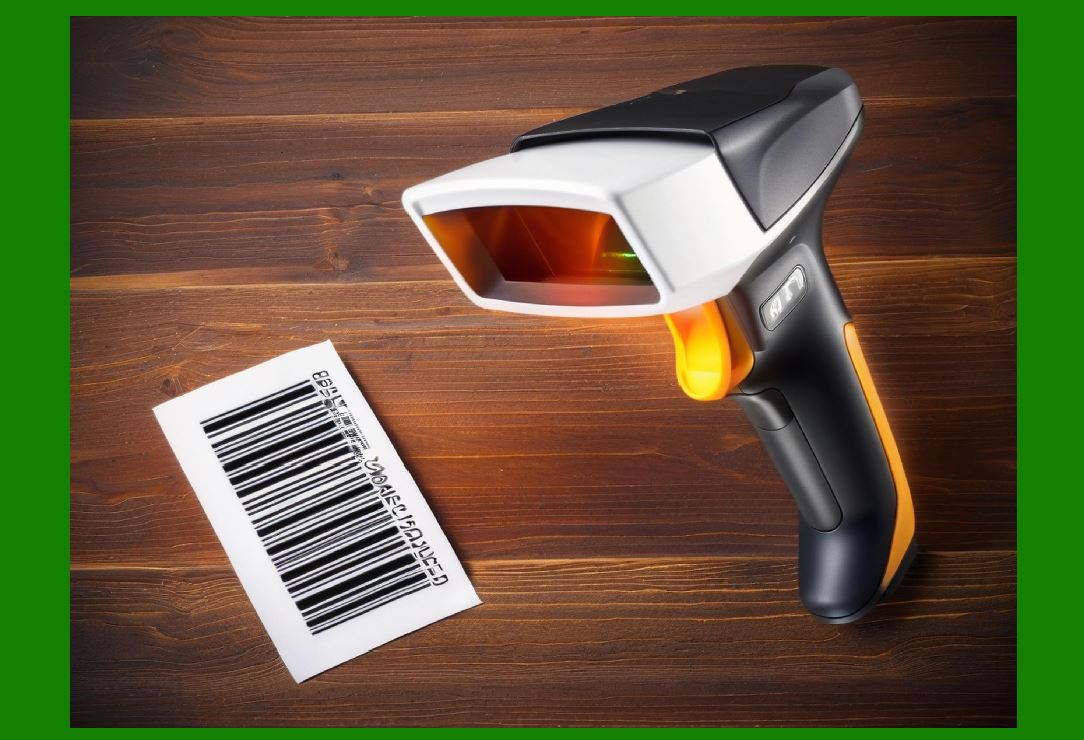
A laser scanner sweeps a narrow beam across the barcode many times per second. A rotating polygon mirror or an oscillating mirror deflects the beam, and the reflected light returns to a photodetector. Each sweep produces one scan line of signal. Because the beam moves fast, the scanner can collect several complete or partial passes over the same barcode in a fraction of a second. This repetition is not accidental. It is the raw material for voting. The decoder does not see a single clean picture. It sees a stream of noisy observations, and it must decide what symbol is present. |
3. What the Decoder Receives: Scan Lines as Observations |
Each scan line is a time-varying signal that corresponds to light and dark regions along the barcode. The decoder converts edges into transitions and attempts to measure the widths of bars and spaces. A single line may be incomplete if the beam clipped the symbol at an angle. It may be distorted by specular reflection or by motion. It may contain a false edge caused by a scratch. The decoder therefore treats each sweep as an observation, not as a final answer. Multiple observations can be combined, compared, and voted upon. |

|
4. The Voting Principle in Plain Language |
Voting means that the decoder keeps track of what it thinks each character is and how often that interpretation repeats. If the same character is decoded in the same position across several sweeps, confidence rises sharply. A character decoded consistently across three sweeps is almost certainly correct. This is a form of redundancy. Instead of making one measurement more precise, the system makes many measurements and looks for agreement. Agreement across independent sweeps suppresses random errors, because a random error is unlikely to repeat in exactly the same way. |
5. Why Three Sweeps Is a Powerful Threshold |
Three sweeps is not a magic number, but it is a practical one. Two sweeps can agree by chance, especially if the same defect affects both. Three independent agreements make coincidence much less likely. In many laser scanners, the decoder requires a character or a whole symbol to be confirmed across multiple sweeps before it reports a good read. This reduces false reads without requiring perfect optics. The threshold balances speed and reliability. Too few sweeps and errors slip through. Too many sweeps and the scanner feels slow. |
6. Voting at the Character Level Versus the Symbol Level |
Voting can happen at different levels. At the character level, the decoder checks whether each character is consistent across sweeps. At the symbol level, it checks whether the entire barcode, including its check character, is consistent. Character-level voting catches local errors early. Symbol-level voting catches errors that survive individual character checks. Many scanners use both. The decoder may accumulate evidence per character and then require a full symbol decode to succeed before sending data onward. This layered approach is robust and efficient. |
|
7. The Role of the Check Character |
Most barcodes include a check character, often a modulo calculation over the data characters. The check character is a final guard against misdecoding. Voting and the check character work together. Voting reduces the chance that a character is wrong in the first place. The check character catches the remaining errors that slip through. If a symbol passes the check character across several sweeps, confidence is very high. If it fails, the decoder discards the result and waits for more sweeps. This combination is why laser scanners can read damaged labels in busy environments. |
8. Timing and Throughput: Why Voting Does Not Slow You Down |
Voting sounds like it requires waiting, but laser scanners are fast. A scanner may perform hundreds or thousands of sweeps per second. Three sweeps may take only a few milliseconds. The decoder can vote while the beam continues to sweep. In practice, the user experiences an instant read. The voting happens in the background, hidden from the operator. This is important in retail and logistics, where throughput matters. The system gains reliability without a noticeable delay. |
9. Handling Partial and Skewed Scans |
Not every sweep covers the whole barcode. A skewed scan may cross only part of the symbol. The decoder must recognize partial observations and avoid treating them as complete. Voting helps here too. A character seen in several partial sweeps can still be confirmed. The decoder aligns observations by position and accumulates evidence. If a character is only seen once, it remains uncertain. If it is seen consistently across several partial sweeps, it becomes trustworthy. This is especially useful for handheld scanners, where the operator may not hold the device perfectly steady. |

|
10. Noise, Smudges, and Damaged Labels |
Real labels are not pristine. They smudge, scratch, wrinkle, and fade. A single sweep may misread a damaged bar as a space or vice versa. Voting suppresses these errors because damage rarely produces the same false edge in the same place across independent sweeps. The beam angle changes slightly from sweep to sweep, so the noise pattern changes. Consistency across changing conditions is strong evidence of a true character. This is why voting is so valuable in environments where labels are exposed to wear. |
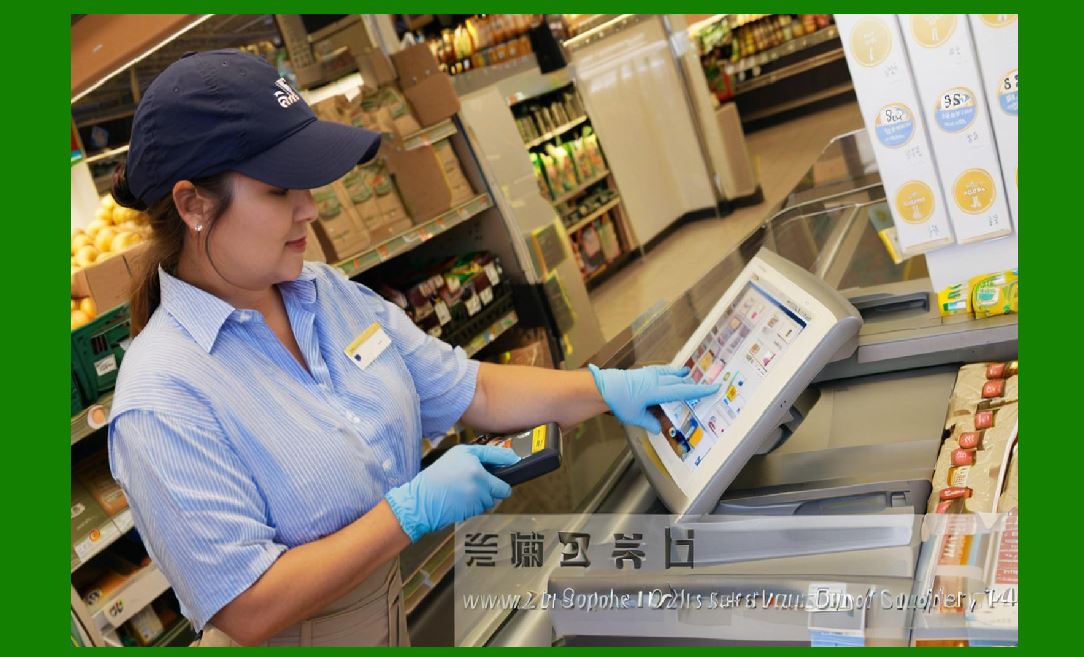
11. Retail Point of Sale: Speed and Trust at the Checkout |
In retail, the scanner must read quickly and correctly. A wrong price is a customer service problem and a inventory problem. Laser scanners at checkout use multiple sweeps to confirm each character. The cashier does not see the voting, but it is there. When a label is crumpled or partly covered, the scanner may need an extra sweep or two. The voting logic decides when it has enough evidence. This keeps checkout lines moving while protecting against misreads. The same principle applies in self-checkout stations, where customers expect instant feedback. |
12. Grocery and Fresh Food: Reading Curved and Wet Labels |
Grocery items often have curved surfaces and moist packaging. A laser beam may reflect unpredictably from plastic film. Voting across sweeps helps because the reflections change with angle. A character that appears consistently across several sweeps is likely real. Fresh food labels may be printed on flexible film that wrinkles. The scanner's ability to vote across sweeps lets it read these labels without requiring perfect presentation. This is a practical example of how redundancy supports usability. |

|
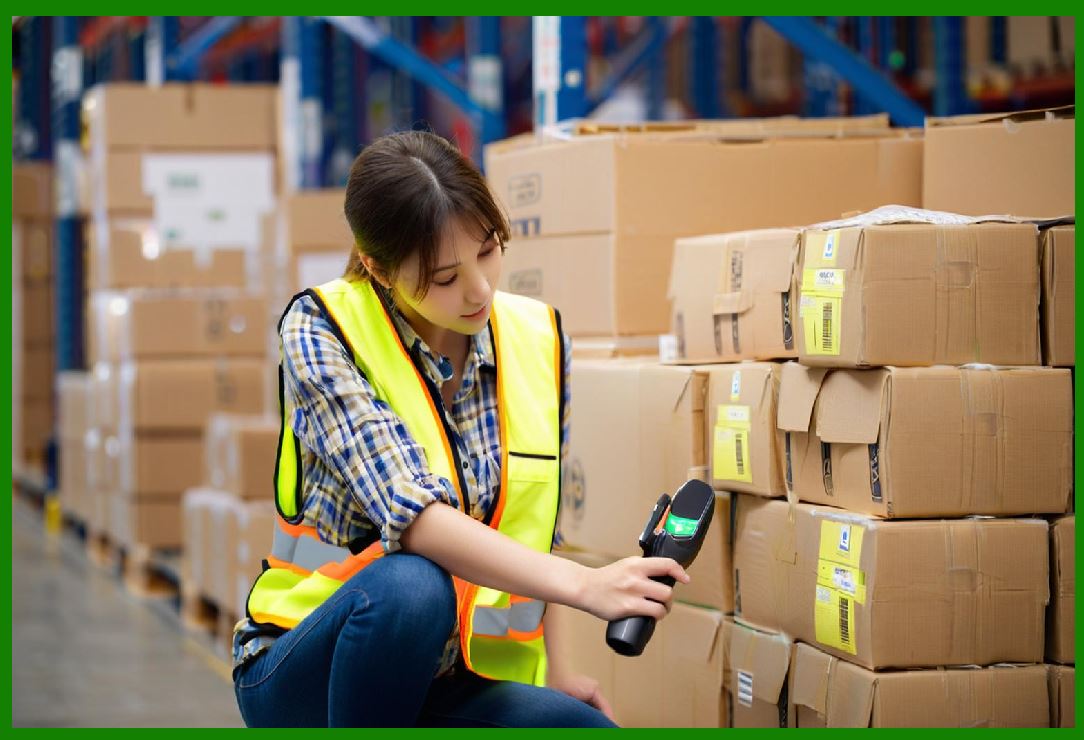
13. Logistics and Warehousing: High-Speed Sorting |
In logistics, parcels move fast on conveyors. A scanner may have only a brief window to read a label. Laser scanners with multi-sweep voting can confirm a barcode in milliseconds. Sorting systems depend on this reliability. A single misread can send a parcel to the wrong destination. Voting across successive sweeps reduces that risk. In high-speed sorters, the scanner may see the label at an angle or only partially. Voting and check characters combine to produce a confident read. The result is fewer exceptions and smoother operations. |
14. Airline Baggage Handling: Reading Tags in Motion |
Baggage tags move quickly and may be partially obscured. Laser scanners at baggage handling systems use multiple sweeps to confirm the tag number. The voting principle helps when tags are curved around handles or printed on less-than-ideal material. Consistency across sweeps is a practical safeguard. If a tag is damaged, the scanner may require more sweeps or may reject the read. The system prefers a missed read, which can be rescanned, over a wrong read, which can send a bag astray. |
15. Postal and Parcel Sorting: Volume and Variety |
Postal systems handle enormous volumes of parcels with varied labels. Laser scanners must cope with different label sizes, print qualities, and orientations. Multi-sweep voting provides robustness without requiring perfect labels. The decoder can confirm characters across sweeps even when the label is skewed. This is important in automated sorting centers where human intervention is costly. The voting principle supports high throughput and low error rates at the same time. |

|
16. Manufacturing and Assembly Lines: Traceability |
On assembly lines, barcodes track parts and products. A misread can corrupt traceability records. Laser scanners with voting confirm each character across sweeps. In environments with vibration or reflected light, this redundancy is valuable. The scanner may be mounted at a fixed angle, but the beam still sweeps repeatedly. Voting across sweeps suppresses transient noise. Manufacturers rely on this to keep records accurate and to avoid rework caused by bad data. |
17. Automotive Industry: Durable Labels and Harsh Conditions |
Automotive parts often carry labels that are exposed to oil, heat, and handling. Laser scanners in production lines use multi-sweep voting to read these labels reliably. A character decoded consistently across three sweeps is almost certainly correct, which matters when the data feeds into inventory and quality systems. The voting principle helps even when labels are slightly damaged. This supports accurate part tracking through complex supply chains. |
18. Electronics Manufacturing: Small Labels and Fine Bars |
Electronics manufacturing uses small barcodes on components and boards. These labels may have fine bars and limited space. Laser scanners with tight focus and multi-sweep voting can confirm small characters. The voting logic compensates for the difficulty of reading fine features. Consistency across sweeps reduces the chance of a misread caused by a single noisy observation. This is important in high-value manufacturing where a wrong component can be costly. |

|
19. Healthcare: Patient Safety and Medication Tracking |
In healthcare, barcodes track patients, specimens, and medications. A misread can have serious consequences. Laser scanners used in hospitals and labs employ multi-sweep voting to confirm characters. The scanner may read a wristband or a specimen label several times before reporting a result. This redundancy supports patient safety. The voting principle is part of a broader safety culture that includes check characters and verification steps. Consistency across sweeps is a simple but effective safeguard. |
20. Laboratory Automation: Small Tubes and Dense Racks |
Laboratories handle many small tubes in dense racks. Laser scanners must read labels quickly and correctly. Multi-sweep voting helps confirm characters even when tubes are close together or labels are partly hidden. The decoder can accumulate evidence across sweeps and reject inconsistent reads. This supports automation and reduces manual rescans. In high-throughput labs, the difference between a confident read and a doubtful one can affect turnaround times. |
21. Pharmaceutical Distribution: Serialization and Aggregation |
Pharmaceutical distribution uses serialized barcodes to track individual packages. Laser scanners with voting confirm each character across sweeps. This is important when packages move quickly and labels may be curved. The voting principle supports accurate aggregation, where individual packages are linked to cases and pallets. A misread can break the chain of traceability. Multi-sweep voting reduces that risk and supports regulatory compliance. |

|
22. Library Systems: Reading Labels on Books and Media |
Libraries use barcodes on books and media. Laser scanners at check-out counters use multi-sweep voting to confirm labels. Books may have curved spines or worn labels. Voting across sweeps helps the scanner read these labels reliably. The result is faster check-out and fewer manual entries. This is a modest but practical example of how voting improves everyday service. |
23. Rental and Asset Tracking: Durability Matters |
Rental businesses and asset tracking systems use barcodes on equipment that may be dirty or damaged. Laser scanners with voting can confirm characters across sweeps, reducing misreads. This supports accurate billing and inventory. When labels are exposed to outdoor conditions, the redundancy of voting becomes especially valuable. Consistency across sweeps is a simple defense against wear and tear. |
24. Field Service and Mobile Computing: Handheld Reliability |
Handheld laser scanners are used in field service, delivery, and mobile computing. The operator may not hold the scanner perfectly steady. Multi-sweep voting helps confirm characters even when the scan angle changes. The decoder can accumulate evidence across sweeps and report a confident read. This supports productivity in environments where perfect scanning conditions are rare. The voting principle makes handheld scanners more forgiving and more reliable. |

|
25. Inventory and Cycle Counting: Accuracy in Aisles |
Inventory teams use laser scanners to count stock in aisles and warehouses. Labels may be at awkward angles or partly obscured. Multi-sweep voting helps confirm characters across sweeps. This reduces the need for manual correction and improves inventory accuracy. In cycle counting, where speed and accuracy both matter, voting supports reliable data collection. The scanner can confirm a label even when the first sweep is imperfect. |
26. Reverse Logistics and Returns: Reading Worn Labels |
Returns processing often involves labels that are worn or partially damaged. Laser scanners with voting can confirm characters across sweeps, improving read rates. This supports efficient returns handling and reduces manual keying. The voting principle is particularly useful when labels have been exposed to handling and weather. Consistency across sweeps helps separate true characters from noise. |
27. Cold Chain and Refrigeration: Condensation and Frost |
Cold chain operations involve condensation and frost on labels. Laser scanners must read through these conditions. Multi-sweep voting helps because the beam angle changes slightly across sweeps, and the noise from condensation varies. A character that appears consistently across sweeps is likely real. This supports accurate tracking of temperature-sensitive goods. The voting principle is a practical aid in challenging environments. |
|
28. Outdoor and Rugged Environments: Dust and Glare |
Outdoor and rugged environments present dust, glare, and vibration. Laser scanners with multi-sweep voting can confirm characters across sweeps despite these conditions. The decoder accumulates evidence and rejects inconsistent reads. This supports applications in construction, agriculture, and field logistics. The voting principle provides robustness without requiring perfect conditions. Consistency across sweeps is a simple but effective strategy. |
29. High-Speed Document Handling: Forms and Envelopes |
High-speed document handling systems use barcodes on forms and envelopes. Laser scanners with voting can confirm characters across sweeps even as paper moves quickly. This supports automated sorting and processing. The voting principle helps maintain accuracy at speed. When documents are skewed or partially covered, the decoder can still accumulate enough evidence to confirm a read. |
30. Ticketing and Access Control: Fast and Reliable Entry |
Ticketing and access control systems use barcodes for fast entry. Laser scanners with multi-sweep voting confirm characters quickly. This supports smooth queues and reliable access decisions. When tickets are crumpled or partially obscured, voting helps the scanner read them. The result is a better user experience and fewer manual checks. |

|
31. Event Management: Scanning Wristbands and Passes |
Event management uses barcodes on wristbands and passes. These labels may be curved or exposed to moisture. Laser scanners with voting can confirm characters across sweeps. This supports fast entry and accurate tracking. The voting principle helps even when conditions are less than ideal. Consistency across sweeps is a practical safeguard in busy environments. |
32. Gaming and Entertainment: Cards and Tokens |
Gaming and entertainment venues use barcodes on cards and tokens. Laser scanners with voting confirm characters across sweeps. This supports fast service and accurate accounting. When cards are worn or curved, voting helps maintain read reliability. The principle is the same as in retail, but the environment is different. Redundancy supports usability. |
33. Agriculture and Livestock: Tags in the Field |
Agriculture uses barcodes on tags for livestock and produce. These tags may be dirty or damaged. Laser scanners with voting can confirm characters across sweeps. This supports accurate tracking and record-keeping. The voting principle helps in field conditions where perfect labels are rare. Consistency across sweeps is a simple defense against environmental wear. |

|
34. Food Processing: Washdown and Harsh Chemistry |
Food processing environments involve washdown and harsh chemistry. Laser scanners with appropriate sealing and multi-sweep voting can confirm characters across sweeps. This supports traceability and inventory accuracy. The voting principle helps even when labels are wet or slightly damaged. Consistency across sweeps reduces the chance of misreads in challenging conditions. |
35. Textile and Apparel: Soft Tags and Curved Surfaces |
Textile and apparel items often have soft tags and curved surfaces. Laser scanners with voting can confirm characters across sweeps. This supports retail and inventory operations. When tags are wrinkled or folded, voting helps the scanner read them. The principle is the same as in other industries, but the physical challenge is different. Redundancy supports reliability. |
36. Print and Packaging: Verifying Labels at Speed |
Print and packaging operations use barcodes to verify labels at speed. Laser scanners with voting can confirm characters across sweeps. This supports quality control and reduces waste. When labels are printed on flexible film, voting helps maintain accuracy. The principle supports both speed and reliability, which are essential in packaging lines. |

|
37. Document Archiving: Reading Old and Faded Labels |
Document archiving involves old and faded barcodes. Laser scanners with voting can confirm characters across sweeps. This supports digitization and records management. When labels are faded, voting helps separate true characters from noise. The principle is valuable in archival work where labels may not be pristine. |
38. Museums and Cultural Heritage: Tracking Artifacts |
Museums use barcodes to track artifacts and loans. Laser scanners with voting confirm characters across sweeps. This supports accurate records and accountability. When labels are small or placed on irregular surfaces, voting helps. The principle supports careful stewardship of collections. |
39. Security and Access: Badges and Credentials |
Security systems use barcodes on badges and credentials. Laser scanners with voting confirm characters across sweeps. This supports reliable access decisions. When badges are worn or curved, voting helps maintain read reliability. The principle is part of a broader security framework that includes check characters and verification. |
|
40. Transportation and Tolling: Reading Passes at Speed |
Transportation systems use barcodes on passes and tickets. Laser scanners with voting confirm characters across sweeps. This supports fast and reliable processing. When passes are held at an angle or partially obscured, voting helps. The principle supports smooth traffic flow and accurate billing. |
41. Marine and Port Operations: Containers and Cargo |
Port operations use barcodes on containers and cargo. Laser scanners with voting confirm characters across sweeps. This supports accurate tracking and logistics. When labels are exposed to salt air and handling, voting helps maintain reliability. The principle supports efficient port operations. |
42. Rail and Transit: Tickets and Asset Tags |
Rail and transit systems use barcodes on tickets and asset tags. Laser scanners with voting confirm characters across sweeps. This supports fast service and accurate tracking. When tickets are crumpled or tags are dirty, voting helps. The principle supports reliable operations in busy transit environments. |
|
43. Aerospace and Defense: Traceability Under Strict Rules |
Aerospace and defense applications require strict traceability. Laser scanners with voting confirm characters across sweeps. This supports accurate records and compliance. When labels are exposed to harsh conditions, voting helps maintain reliability. The principle supports safety and accountability in critical industries. |
44. Energy and Utilities: Asset Tags in the Field |
Energy and utilities use barcodes on asset tags in the field. Laser scanners with voting confirm characters across sweeps. This supports maintenance and inventory accuracy. When tags are dirty or weathered, voting helps. The principle supports reliable field operations. |
45. Telecommunications: Equipment and Cable Labels |
Telecommunications operations use barcodes on equipment and cable labels. Laser scanners with voting confirm characters across sweeps. This supports accurate inventory and maintenance. When labels are small or placed in tight spaces, voting helps. The principle supports efficient network operations. |

|
46. Data Centers: Server and Asset Tracking |
Data centers use barcodes on servers and assets. Laser scanners with voting confirm characters across sweeps. This supports accurate inventory and maintenance. When labels are small or partly hidden, voting helps. The principle supports reliable data center operations. |
47. Retail Backroom and Replenishment: Accuracy Behind the Scenes |
Retail backrooms use barcodes for replenishment and inventory. Laser scanners with voting confirm characters across sweeps. This supports accurate stock levels and efficient replenishment. When labels are worn or curved, voting helps. The principle supports the hidden work that keeps stores stocked. |
48. E-Commerce Fulfillment: Speed and Accuracy Together |
E-commerce fulfillment centers use barcodes at high speed. Laser scanners with voting confirm characters across sweeps. This supports fast picking and packing. When labels are applied quickly or at awkward angles, voting helps. The principle supports the combination of speed and accuracy that e-commerce demands. |
|
49. Returns and Refurbishment: Reading Used Labels |
Returns and refurbishment operations handle used labels. Laser scanners with voting confirm characters across sweeps. This supports accurate processing and reduces manual keying. When labels are damaged, voting helps. The principle supports efficient reverse logistics. |
50. Cross-Docking: Moving Goods Without Storage |
Cross-docking operations move goods quickly between vehicles. Laser scanners with voting confirm characters across sweeps. This supports fast and accurate transfers. When labels are read at an angle, voting helps. The principle supports the speed and reliability that cross-docking requires. |
51. Cold Storage Warehouses: Frost and Low Light |
Cold storage warehouses present frost and low light. Laser scanners with voting confirm characters across sweeps. This supports accurate inventory in challenging conditions. When labels are frosted, voting helps. The principle supports reliable operations in cold environments. |

|
52. Hazardous Materials: Safety and Traceability |
Hazardous materials operations require strict traceability. Laser scanners with voting confirm characters across sweeps. This supports safety and compliance. When labels are exposed to chemicals or weather, voting helps. The principle supports careful handling of dangerous goods. |
53. Waste Management: Tough Labels and Dirty Conditions |
Waste management uses barcodes on containers and assets. Laser scanners with voting confirm characters across sweeps. This supports accurate tracking and billing. When labels are dirty or damaged, voting helps. The principle supports reliable operations in tough conditions. |
54. Construction: Tags on Materials and Equipment |
Construction sites use barcodes on materials and equipment. Laser scanners with voting confirm characters across sweeps. This supports inventory and asset tracking. When labels are exposed to dust and weather, voting helps. The principle supports efficient site management. |

|
55. Mining and Heavy Industry: Reliability in Extreme Conditions |
Mining and heavy industry present extreme conditions. Laser scanners with voting confirm characters across sweeps. This supports accurate tracking and maintenance. When labels are exposed to dirt and vibration, voting helps. The principle supports reliable operations in demanding environments. |
56. Implementing Voting in the Decoder: Practical Considerations |
Implementing voting requires memory and logic. The decoder must store per-character evidence across sweeps and compare it. It must decide when to trust a character and when to wait for more evidence. It must handle partial scans and alignment. It must balance speed and reliability. These are engineering trade-offs, but the principle is simple. Multiple observations and agreement across them produce confidence. The decoder does not need perfect data. It needs enough consistent data. |

|
57. Limitations and Failure Modes |
Voting is powerful, but it is not magic. If a label is severely damaged, no amount of voting will recover the data. If the same defect affects every sweep in the same way, voting may be fooled. If the scanner is misaligned, voting may not help. The check character remains important. Voting reduces errors but does not eliminate the need for good label design and proper scanning technique. Understanding these limits helps users get the best results. |
58. The Digital Boundary: From Analog Sweeps to Digital Confidence |
Voting sits at the digital boundary. The analog sweeps are noisy and continuous. The decoder converts them into discrete characters and then into confidence. Voting is the bridge between the analog world and the digital decision. It is a simple idea with deep consequences. A character decoded consistently across three sweeps is almost certainly correct. This sentence captures the essence of the digital boundary in laser scanning. |

|
59. Detailed Summary |
This article explained how laser barcode scanners use multiple scan lines from successive sweeps to confirm decoded characters. The decoder treats each sweep as an observation and looks for agreement across sweeps. A character decoded consistently across three sweeps is almost certainly correct. This voting principle suppresses random errors caused by smudges, scratches, glare, motion, and partial scans. It works alongside check characters and symbol-level validation. The article then surveyed practical applications across retail, grocery, logistics, warehousing, airline baggage, postal sorting, manufacturing, automotive, electronics, healthcare, laboratories, pharmaceutical distribution, libraries, rental and asset tracking, field service, inventory, returns, cold chain, outdoor environments, document handling, ticketing, events, gaming, agriculture, food processing, textiles, packaging, archiving, museums, security, transportation, ports, rail, aerospace, energy, telecommunications, data centers, e-commerce, cross-docking, cold storage, hazardous materials, waste management, construction, and mining. In each case, the same principle applies: repeated observations and agreement across them produce confidence. Voting does not replace good label design or proper scanning technique, but it makes laser scanners more reliable in the real world. The digital boundary is where noisy analog sweeps become trustworthy digital data, and multi-sweep voting is one of the key mechanisms that makes this transition possible. |
 cs@easiersoft.com