Chapter 35: Pulsed Drive of Laser Diodes in Barcode Scanners | Summary | This chapter explains why laser diodes in barcode scanners are driven by pulsed current sources rather than continuous current. It covers the two primary reasons for pulsing, namely reduced average power dissipation and enabling synchronous demodulation for ambient light rejection, and then explores how these principles play out across many industries, from retail checkout to healthcare, logistics, manufacturing, and beyond. The discussion is descriptive and avoids mathematics, focusing instead on practical design realities and real-world applications. | 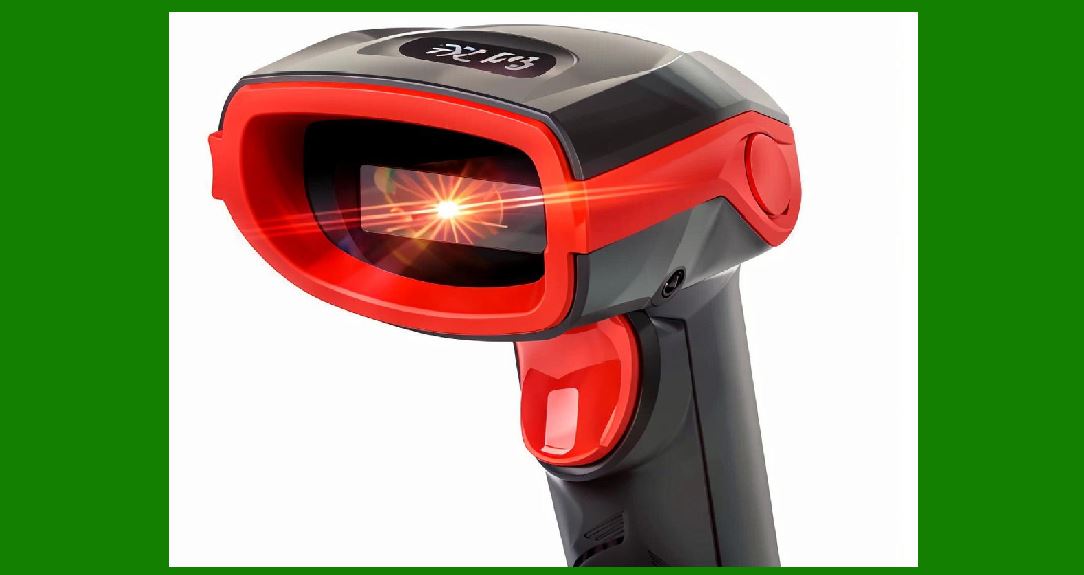
| 1. Introduction: Why the Drive Scheme Matters | The way a laser diode is powered is not a minor detail; it shapes the entire behavior of a scanner. | In the previous chapters, we examined how a flying spot is generated, how the beam is deflected, and how returned light is converted into an electrical signal. In this chapter we turn to the source of that light and, specifically, to the circuit that drives it. A casual observer might assume that a laser in a barcode scanner simply stays on whenever the scanner is active. In reality, the laser diode is almost always driven by a pulsed current source, switching on and off rapidly, often thousands or tens of thousands of times per second. This pulsed operation is deliberate and serves two central purposes: it reduces average power dissipation, which matters greatly for battery-operated handheld guns, and it enables synchronous demodulation, a technique that dramatically improves rejection of ambient light. Understanding these two purposes is essential to understanding why laser scanners remain robust and practical in environments ranging from sunny loading docks to brightly lit hospital wards. | 
| 2. The Basic Behavior of a Laser Diode | A laser diode emits coherent light only when forward current exceeds a threshold, and pulsing exploits this threshold behavior. | A laser diode is a semiconductor device that produces coherent, narrowly divergent light when a sufficient forward current flows through it. Below a certain threshold current, the device behaves much like an ordinary light-emitting diode, emitting spontaneous, incoherent light. Above threshold, stimulated emission dominates and the output becomes laser light. This threshold behavior is important because it means the diode can be switched cleanly between an emitting state and a non-emitting state by controlling current. A pulsed current source drives the diode above threshold for a short interval, then drops it below threshold or to zero. The result is a train of light pulses rather than a continuous beam. Designers exploit this on-off behavior for both power management and signal processing, as the following sections explain. | 
| 3. Purpose One: Reducing Average Power Dissipation | Pulsing lowers the average electrical and optical power, which extends battery life and reduces heat in handheld scanners. | The first major reason for pulsed drive is thermal and electrical economy. A laser diode that emits continuously at the current needed for a strong return signal dissipates considerable power as heat. In a handheld scanner, that heat must be removed from a small enclosure, and the energy must come from a battery. By driving the diode in short pulses, the instantaneous current during each pulse can be high enough to produce a bright, detectable spot, while the average current over time is much lower. Average power is roughly proportional to the fraction of time the diode is on, so a low duty cycle yields substantial savings. This translates directly into longer battery life, cooler operation, and less thermal stress on the diode itself, which improves reliability. For cordless scanners used all day in retail or warehousing, this advantage is decisive. | 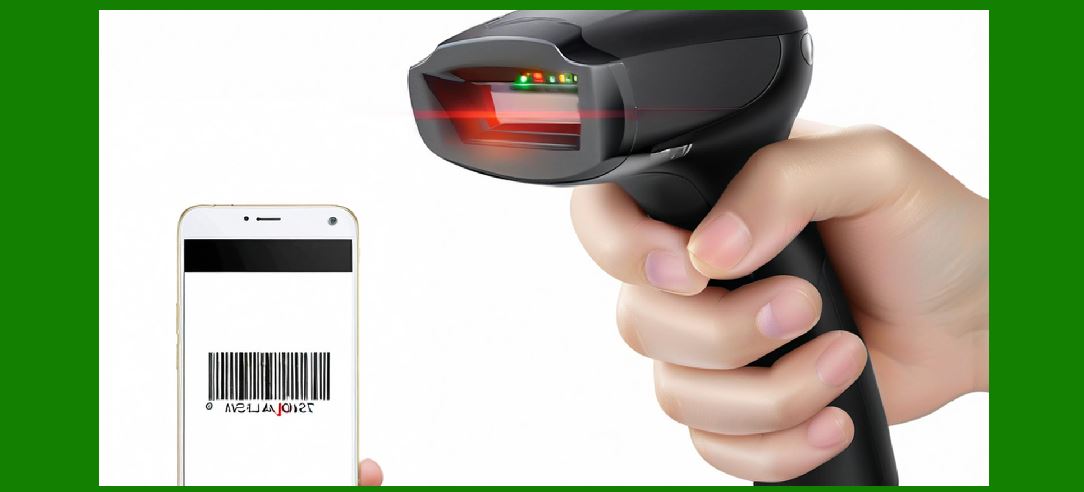
| 4. Purpose One in Practice: Battery-Operated Handheld Guns | In cordless handheld scanners, pulsed drive is what makes all-day operation feasible on a small battery. | Consider a handheld scanner used at a retail checkout or in a warehouse. The device may be used for thousands of scans per shift, and it must operate for a full working day on a single charge. If the laser ran continuously, even at modest power, the battery would drain quickly and the enclosure would become uncomfortably warm. Pulsed drive allows the designer to keep the average power low while still producing short, bright flashes of laser light synchronized with the scanning mirror. Because the photodetector and signal-processing chain are active only when the laser is on, the receiver can also be gated, saving additional power. The practical outcome is a device that is lightweight, cool to the touch, and capable of surviving a full shift, all of which are essential for user acceptance in high-throughput environments. | 
| 5. Purpose Two: Synchronous Demodulation and Ambient Light Rejection | Pulsing enables the receiver to distinguish the scanner's own light from steady background light, dramatically improving robustness. | The second major reason for pulsed drive is signal-processing related. Barcode scanners must operate in environments full of ambient light: sunlight through windows, fluorescent and LED overhead lighting, and stray reflections from surrounding surfaces. Ambient light falling on the photodetector generates a steady or slowly varying photocurrent that can swamp the weak, rapidly modulated signal returning from the barcode. If the laser were continuous, separating the wanted signal from this background would be difficult. By pulsing the laser at a known frequency or pattern, the receiver can use synchronous demodulation: it amplifies only the component of the photocurrent that matches the known pulse pattern and rejects everything else. Steady ambient light, which does not share that pattern, is largely filtered out. This is the electronic equivalent of recognizing a familiar rhythm in a noisy room, and it is the key to reliable scanning under challenging lighting. | 
| 6. How Synchronous Demodulation Works in Plain Terms | Synchronous demodulation multiplies the received signal by a reference matching the pulse pattern, averaging away unrelated light. | In plain terms, synchronous demodulation works by comparing the received signal with a reference that mirrors the known pulse timing. The receiver effectively asks, moment by moment, whether the light arriving now is in phase with the expected pulses. Components of the incoming light that align with the pulses add constructively, while components that do not align, such as steady ambient light or light flickering at unrelated frequencies, tend to average toward zero over many pulse cycles. The result is a cleaned-up signal that represents primarily the light returned from the barcode. Because the reference is generated by the same clock that drives the laser, the system is synchronized by design, and no separate optical filter is required to achieve strong ambient rejection. This makes the scanner tolerant of bright environments without expensive or bulky optics. | 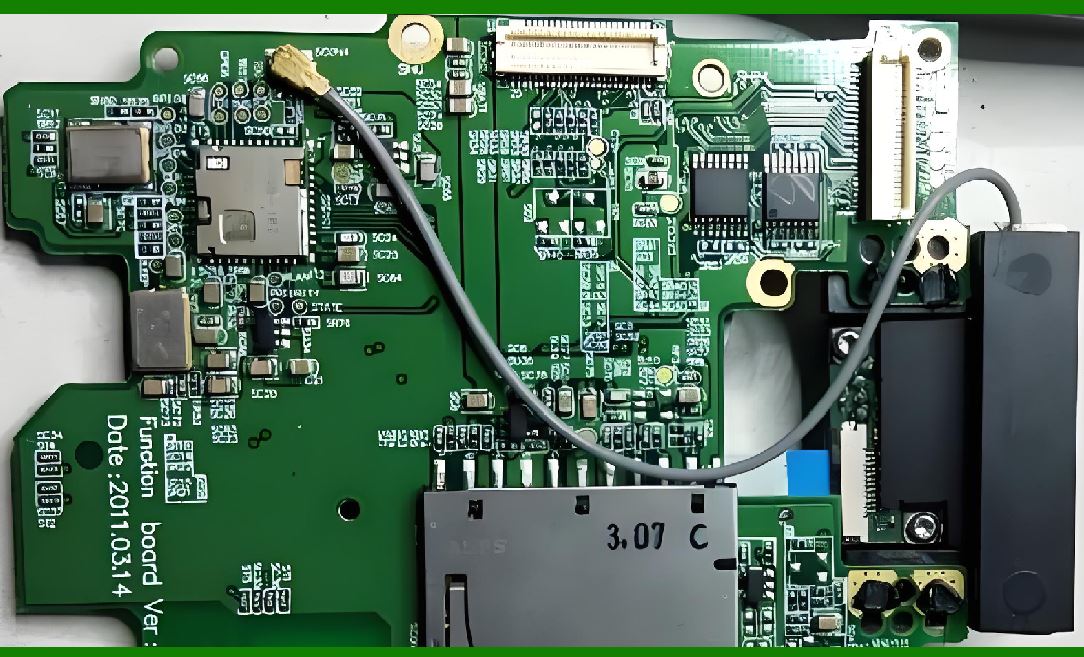
| 7. Interaction with Scanning Mechanics | Pulsing is synchronized with the scanning mirror so that light is emitted only when the beam is usefully positioned. | The pulse train is not arbitrary; it is coordinated with the motion of the scanning element. In a typical flying-spot scanner, a mirror or polygon rotates or oscillates to sweep the beam across the barcode. The laser is pulsed in step with this sweep so that light is emitted during the portions of the scan where a return signal is expected. This synchronization serves several purposes. It avoids emitting light during retrace intervals when no useful data would be collected, further reducing average power. It also allows the receiver to know precisely when to expect a return pulse, tightening the timing window for demodulation and improving noise rejection. The combination of mechanical scanning and synchronized pulsing is what gives laser scanners their characteristic combination of speed, range, and immunity to interference. | 
| 8. Thermal Management and Diode Lifetime | Pulsing reduces junction temperature and slows degradation, extending the service life of the laser diode. | Laser diodes are sensitive to temperature. Elevated junction temperatures reduce output power, shift the emission wavelength, and accelerate gradual degradation of the semiconductor material. Continuous operation at high current raises the junction temperature steadily, especially in compact handheld devices with limited heat-sinking. Pulsed operation reduces the average thermal load, keeping the junction cooler for the same peak optical output. Cooler operation also means the wavelength stays closer to the design value, which matters for the optical filters and detector response in the receiver. Over the life of the product, lower thermal stress translates into slower degradation and longer mean time between failures. For scanners deployed in round-the-clock industrial settings, this reliability advantage is as important as the battery savings in consumer devices. | 
| 9. Eye Safety Considerations | Pulsing interacts with laser safety classifications and helps designers stay within safe exposure limits. | Laser safety is governed by exposure limits that depend on power, wavelength, and duration. Pulsed operation changes the exposure profile, and designers must account for both peak power and average power when classifying a product. In many scanner designs, pulsing helps keep the average power well within the limits for the relevant laser class, while the short pulse durations and the scanning motion spread the exposure over time and area. The safety analysis is not simply a matter of lowering average power; peak power and pulse repetition also matter. Nevertheless, the pulsed drive scheme gives designers an additional degree of freedom to balance detection performance against safety margins. This is especially relevant for scanners used in public spaces, where accidental exposure of bystanders must be minimized. | 
| 10. Application Example: Retail Point of Sale | In retail checkout, pulsed laser scanners deliver fast, reliable scanning under bright store lighting while staying cool and battery-friendly. | Retail point-of-sale is the most familiar application of laser barcode scanning. Supermarket checkout lanes are brightly lit, often with a mix of fluorescent and LED sources, and cashiers scan hundreds of items per hour. A pulsed laser scanner excels here for several reasons. Synchronous demodulation rejects the steady ambient light from overhead fixtures, so the scanner reads barcodes reliably even when the label is glossy or the lighting is uneven. Pulsed drive keeps the scan engine cool and, in cordless models, preserves battery life across a long shift. The synchronized pulsing with the scanning mirror allows rapid, repeated sweeps so that the cashier does not have to align the barcode precisely. The result is the familiar, instantaneous beep that customers expect, delivered by a drive scheme designed for efficiency and immunity to interference. | 
| 11. Application Example: Warehouse and Logistics | In warehousing and logistics, pulsed laser scanners provide long-range reading and durable operation in large, sometimes dimly lit facilities. | Warehouses and distribution centers present a different set of demands. Scanners must read barcodes at a distance, sometimes several meters away, and must operate reliably in environments with high racks, variable lighting, and constant use. Pulsed drive supports long-range reading because short, high-current pulses can produce bright spots that return detectable signals from distant labels, while the average power and heat remain manageable. Synchronous demodulation helps reject ambient light from skylights and industrial fixtures. Cordless scanners used by workers moving through the facility benefit from the battery savings. Ruggedized models also benefit from the reduced thermal stress, which contributes to the durability needed in demanding logistics environments where a failed scanner can halt a packing line. | 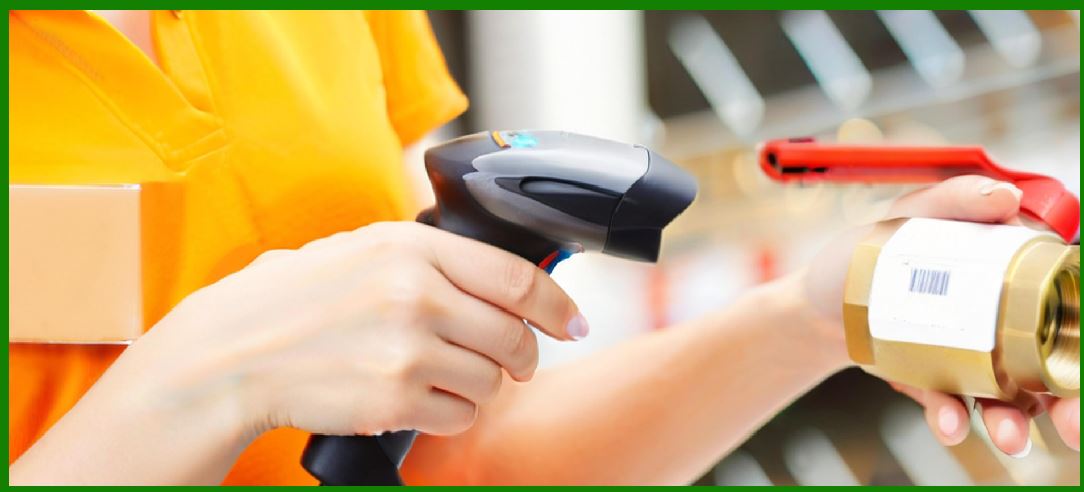
| 12. Application Example: Manufacturing and Production Lines | On production lines, pulsed laser scanners tolerate harsh lighting and provide the timing precision needed for automated tracking. | Manufacturing environments often combine bright task lighting, moving machinery, and the need for precise, repeatable reads. A barcode on a component moving along a conveyor must be captured quickly and reliably, sometimes at high speed. Pulsed laser scanning with synchronous demodulation rejects the steady component of ambient light from factory fixtures and sunlight through windows, improving read rates. The synchronization between pulsing and scanning allows the system to define tight timing windows, which is valuable when the scanner must trigger downstream actions such as sorting or labeling. The reduced heat load is also welcome in enclosed production cells where thermal management is difficult. In automotive, electronics, and consumer goods manufacturing, these characteristics make laser scanners a dependable part of automated identification systems. | 
| 13. Application Example: Healthcare and Laboratories | In healthcare settings, pulsed laser scanners offer reliable identification while minimizing heat and maintaining a clean, quiet operating profile. | Hospitals, clinics, and laboratories rely on barcode scanning for patient identification, medication tracking, and specimen management. These environments are often brightly lit and require equipment that is quiet, cool, and reliable. Pulsed laser scanners meet these needs: synchronous demodulation ensures reliable reads of wristbands and specimen labels under ward lighting, while the low average power keeps the device cool and extends battery life for cart-mounted or handheld units. The absence of moving parts in some designs and the controlled light output also suit the clinical environment. Because patient safety depends on accurate identification, the robustness of the read under varied lighting is a meaningful advantage. Pulsed drive contributes directly to that robustness without adding cost or complexity to the optical design. | 
| 14. Application Example: Transportation and Ticketing | In transport and ticketing, pulsed laser scanners read mobile and printed codes quickly in outdoor and indoor light. | Transportation applications include boarding passes at airports, tickets at rail stations, and access control at venues. These settings often involve outdoor or transitional lighting, where a person moves from bright sunlight into a shaded terminal. Synchronous demodulation helps the scanner cope with the sudden change in ambient light, maintaining reliable reads of both printed and screen-displayed codes. Pulsed drive keeps handheld and fixed-mount units cool and energy-efficient, which matters for battery-powered gate readers and mobile inspection devices. The fast, repeated sweeps enabled by synchronized pulsing allow quick reads even when the code is presented at an angle or in motion, supporting the high throughput needed at busy gates and turnstiles. | 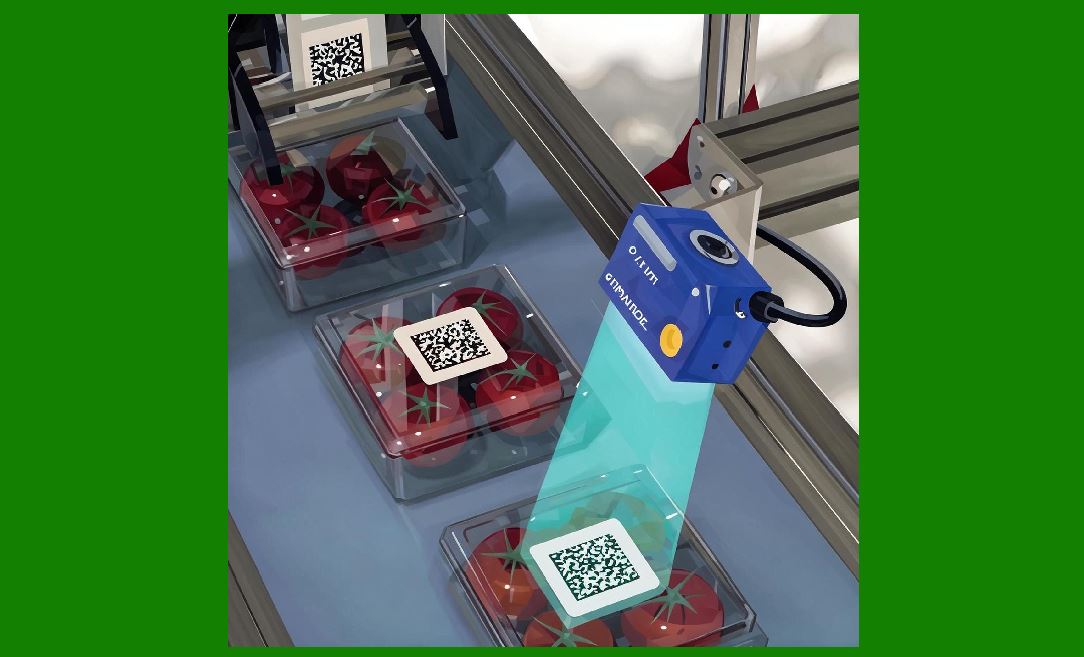
| 15. Application Example: Automotive and Heavy Industry | In automotive and heavy industry, rugged pulsed laser scanners survive heat, vibration, and demanding duty cycles. | Automotive assembly lines and heavy industrial sites impose severe conditions: heat, vibration, dust, and continuous operation. Scanners used for tracking parts, verifying assemblies, and controlling access must be rugged and reliable. Pulsed drive reduces the thermal load on the laser diode, which is one of the more temperature-sensitive components in the scanner. Lower average power also reduces the burden on the enclosure's heat management. Synchronous demodulation maintains read reliability despite the bright lighting and reflective metal surfaces common in these settings. The combination supports long service intervals and high uptime, which are critical where a scanner failure can interrupt an entire production line. Similar considerations apply in aerospace, shipbuilding, and other heavy manufacturing sectors. | 
| 16. Application Example: Food and Beverage Processing | In food and beverage processing, pulsed laser scanners handle washdown environments and rapid packaging lines. | Food and beverage processing combines high-speed packaging lines with stringent hygiene requirements. Scanners must read barcodes on labels, cases, and pallets quickly and reliably, often in environments with bright lighting and reflective packaging. Pulsed laser scanning provides fast, repeated sweeps and robust ambient light rejection, supporting high line speeds. The low average power and reduced heat generation are advantageous in sealed or washdown-rated enclosures, where thermal management is constrained. Because these environments often require equipment that can be cleaned and maintained easily, the simplicity of a pulsed drive scheme, which avoids continuous high-power operation, contributes to overall reliability. The result is dependable identification that keeps packaging and palletizing operations running smoothly. | 
| 17. Application Example: Banking, Post, and Document Handling | In banking and postal sorting, pulsed laser scanners read dense and damaged codes at high speed. | Banks, postal services, and document-handling operations process large volumes of items bearing barcodes, some of which may be printed at small size, partially damaged, or on curved surfaces such as envelopes and parcels. High-speed sorting equipment requires scanners that can capture codes rapidly and repeatedly. Pulsed laser scanning with synchronized sweeps provides the fast, repeated reads needed to catch a code as an item passes. Synchronous demodulation rejects ambient light from sorting facility lighting. The reduced heat load supports continuous operation in enclosed sorting machinery. These characteristics help maintain high read rates and low error rates in operations where even a small percentage of misreads can translate into significant downstream cost and delay. | 
| 18. Application Example: Mobile Computing and Wearables | In mobile computing and wearable scanners, pulsed laser drive balances performance with strict power and thermal budgets. | Mobile computers, ring scanners, and wearable devices used in retail, logistics, and field service operate under tight power and thermal constraints. These devices are small, battery-powered, and often worn for hours at a time, so heat and battery life are paramount. Pulsed laser drive is well suited to this context: it delivers bright, detectable pulses while keeping average power low, extending runtime between charges. Synchronous demodulation maintains read reliability under the varied lighting conditions encountered in the field, from indoor aisles to outdoor loading areas. The synchronization between pulsing and scanning also supports fast, efficient reads that reduce the time a worker must hold the device in position, improving ergonomics and productivity in mobile workflows. | 
| 19. Application Example: Self-Service and Automated Kiosks | In self-service kiosks, pulsed laser scanners provide reliable unattended reading with low maintenance. | Self-service kiosks, including self-checkout stations, parcel lockers, and automated ticket machines, require scanners that operate unattended for long periods with minimal maintenance. Pulsed laser drive contributes to this by reducing thermal stress and extending the service life of the laser diode. Synchronous demodulation ensures reliable reads under the varied lighting of retail stores, transit stations, and outdoor locker locations. The fast, synchronized sweeps support quick reads so that customers can scan items without frustration. Because kiosks are often sealed and service visits are costly, the durability and low heat output of pulsed laser scanners are valuable. The result is a user-friendly, low-maintenance identification solution suited to automated self-service environments. | 
| 20. Application Example: Outdoor and Field Operations | In outdoor field operations, pulsed laser scanners must cope with sunlight and wide temperature swings. | Outdoor and field operations, such as utility meter reading, outdoor inventory, and mobile point-of-sale at markets and events, expose scanners to direct sunlight and wide temperature variations. Direct sunlight is a formidable source of ambient light, and synchronous demodulation is especially valuable here because it rejects the steady solar background while preserving the pulsed return signal. Pulsed drive also helps manage heat in devices that may sit in the sun, and it conserves battery power for units that must operate through a long field shift. The combination of ambient light rejection and power efficiency makes pulsed laser scanning a practical choice for outdoor identification tasks where continuous-wave operation would struggle or drain batteries too quickly. | 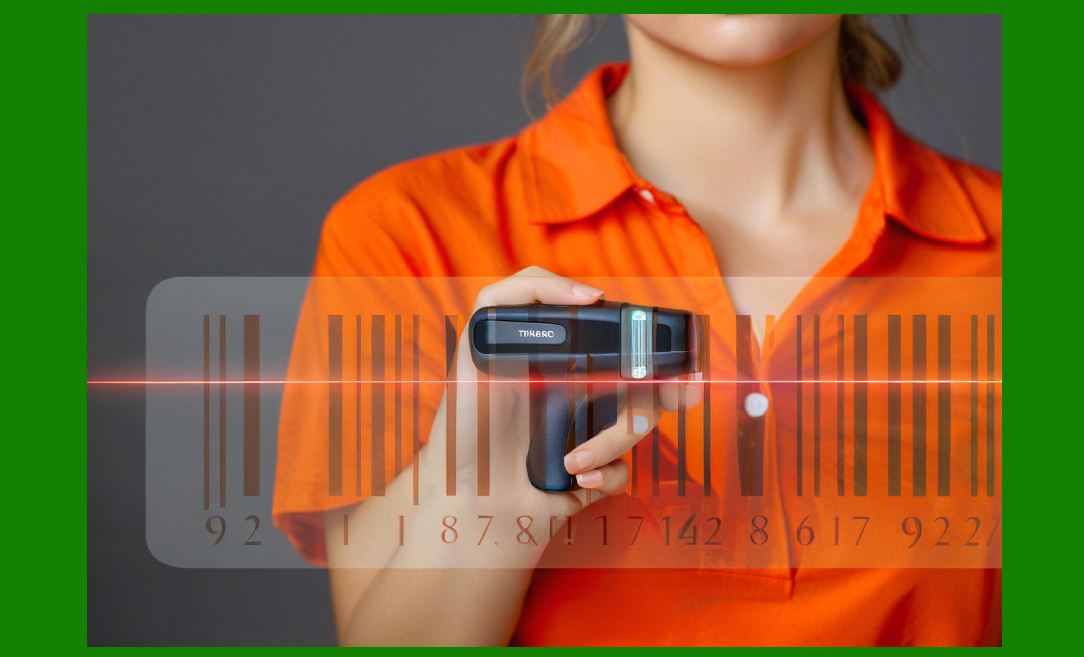
| 21. Application Example: Access Control and Security | In access control and security, pulsed laser scanners read credentials quickly and reliably in varied lighting. | Access control systems at buildings, events, and secure facilities use barcode and similar optical credentials for entry. These systems must read quickly, often at a distance, and must work under lighting that ranges from dim corridors to bright lobbies. Pulsed laser scanning provides fast, synchronized sweeps for quick reads and synchronous demodulation for immunity to ambient light. The low average power supports battery-backed or energy-efficient installations, and the reduced heat load suits sealed reader enclosures mounted on walls or turnstiles. Reliability is critical in security applications, where a failed read can cause delays or security gaps, so the robustness of pulsed laser scanning is a meaningful advantage. | 
| 22. Application Example: Entertainment and Events | In entertainment and events, pulsed laser scanners handle high-throughput ticketing and wristband reading. | Concerts, sporting events, and festivals involve rapid entry of large crowds, often in outdoor or partially covered venues with challenging lighting. Scanners must read tickets and wristbands quickly and reliably, sometimes in direct sun or under strong stage lighting. Synchronous demodulation helps reject the steady component of these light sources, while synchronized pulsing supports fast, repeated sweeps for quick reads. Battery-powered handheld scanners used by staff benefit from the power savings of pulsed drive, allowing operation throughout a long event. The combination of speed, reliability, and efficiency makes pulsed laser scanning well suited to the demanding throughput and variable lighting of entertainment venues. | 
| 23. Design Trade-offs and Practical Considerations | Pulsed drive involves trade-offs in pulse rate, duty cycle, and receiver bandwidth that designers must balance. | Designing a pulsed drive scheme involves several trade-offs. Higher pulse rates and shorter pulses can improve ambient rejection and timing precision, but they demand faster receivers and more careful synchronization. Lower duty cycles save more power but reduce the average return signal, requiring either higher peak power or more sensitive detection. Peak power must remain within eye-safety limits, and the thermal design must account for both average and peak conditions. The receiver bandwidth must be matched to the pulse characteristics to capture the signal without excessive noise. These considerations are balanced against the requirements of the application, such as read range, speed, and environmental lighting, so that the final design meets its performance targets reliably and safely. | 
| 24. Integration with the Broader Scanner Architecture | The pulsed drive scheme must be integrated with scanning, detection, and decoding to deliver a complete solution. | Pulsed drive does not exist in isolation; it is part of an integrated architecture. The drive circuit is synchronized with the scanning mechanism, the photodetector and amplifier are gated or tuned to the pulse pattern, and the decoder expects a signal with known timing. This integration ensures that the benefits of pulsing, namely power savings and ambient rejection, are realized in practice. It also means that changes to one part of the system, such as the scan rate or the pulse pattern, ripple through the design. Successful scanner design treats the drive scheme, the optics, the detection chain, and the decoding logic as a coordinated whole, which is a recurring theme throughout this book. | 
| 25. Failure Modes and Diagnostics | Understanding pulsed drive helps diagnose common scanner faults related to power, timing, and ambient interference. | Knowledge of pulsed drive is useful for troubleshooting. A scanner that reads poorly in bright light may have a demodulation or synchronization issue. A device that overheats or drains batteries quickly may have a drive circuit fault causing excessive duty cycle. Intermittent reads can stem from timing misalignment between the pulse train and the scanning mirror. By understanding the intended behavior of the pulsed drive scheme, technicians can distinguish among optical, electrical, and environmental causes of poor performance. This diagnostic perspective is valuable for field service and for designers validating new products, and it reinforces why the drive scheme deserves attention alongside the more visible optical and mechanical components. |
| 26. Historical Perspective and Evolution | Pulsed drive has evolved alongside scanner technology, from early designs to modern low-power, high-reliability systems. | The use of pulsed laser drive has a history intertwined with the evolution of scanner technology. Early designs recognized the benefits of modulating the light source for ambient rejection, and as battery-powered handheld scanners became common, power savings grew in importance. Over time, improvements in semiconductor lasers, drive electronics, and signal processing made pulsed schemes more precise and efficient. Modern scanners benefit from tightly synchronized pulsing, advanced demodulation, and careful thermal design. This evolution reflects a broader trend in electronics toward intelligent power management and robust signal processing, and it explains why pulsed drive remains a cornerstone of laser scanner design today. |
| 27. Comparison with Continuous-Wave Operation | Comparing pulsed and continuous-wave drive highlights why pulsing dominates in most barcode scanning applications. | Continuous-wave operation, in which the laser stays on steadily, offers simplicity and a constant return signal, but it suffers from higher average power, greater heat, and weaker ambient rejection. Pulsed operation is more complex but delivers substantial advantages in battery life, thermal management, and immunity to background light. For applications where power is plentiful and ambient light is controlled, continuous-wave designs may suffice. For the vast majority of barcode scanning applications, which involve handheld or unattended operation in varied lighting, the benefits of pulsing outweigh the added complexity. This comparison clarifies why the pulsed current source is the standard choice in laser scanners and why understanding it is essential to the field. |
| 28. Summary of Key Principles | Pulsed drive reduces average power and enables synchronous demodulation, and these principles explain its broad adoption. | In summary, the laser diode in a barcode scanner is driven by a pulsed current source for two connected reasons. First, pulsing reduces average power dissipation, which extends battery life, lowers heat, and improves reliability, especially in handheld and unattended devices. Second, pulsing enables synchronous demodulation, which rejects ambient light and makes scanning robust in bright and variable lighting. These principles are realized through synchronization with the scanning mechanism and integration with the detection and decoding chain. Together they explain why pulsed drive is the standard approach in laser barcode scanning and why it remains central to the design of reliable, efficient scanners. |
| 29. Summary of Application Examples | Across retail, logistics, manufacturing, healthcare, transport, industry, and beyond, pulsed laser scanning delivers reliable, efficient identification. | The application examples in this chapter show the breadth of pulsed laser scanning. In retail point of sale, it provides fast, cool, battery-friendly scanning under bright store lighting. In warehousing and logistics, it supports long-range reading and durable operation. In manufacturing, it tolerates harsh lighting and provides timing precision. In healthcare, it offers reliable identification with low heat and quiet operation. In transportation, it handles outdoor and transitional lighting. In automotive and heavy industry, it survives heat, vibration, and demanding duty cycles. In food and beverage processing, it supports high-speed lines and washdown environments. In banking and postal sorting, it reads dense and damaged codes at speed. In mobile computing and wearables, it balances performance with strict power budgets. In self-service kiosks, outdoor field operations, access control, and entertainment, it delivers reliable, low-maintenance identification. Across all these sectors, the combination of power efficiency and ambient light rejection makes pulsed laser scanning a dependable and widely adopted technology. |
| 30. Detailed Concluding Summary | This chapter has examined the pulsed drive of laser diodes in barcode scanners, explaining why the laser is driven by a pulsed current source rather than a continuous one and how this choice shapes scanner performance across industries. The two central purposes of pulsing are reducing average power dissipation and enabling synchronous demodulation for ambient light rejection. Reduced average power extends battery life, lowers heat, reduces thermal stress on the laser diode, and supports compact, reliable handheld and unattended devices. Synchronous demodulation, made possible by the known pulse pattern, allows the receiver to reject steady and unrelated ambient light, ensuring reliable reads in sunlight, bright store lighting, and industrial environments. These principles are realized through synchronization with the scanning mechanism and integration with the detection and decoding chain. The application examples span retail point of sale, warehousing and logistics, manufacturing and production lines, healthcare and laboratories, transportation and ticketing, automotive and heavy industry, food and beverage processing, banking and postal sorting, mobile computing and wearables, self-service kiosks, outdoor field operations, access control, and entertainment and events. In each setting, pulsed laser scanning delivers a combination of speed, reliability, power efficiency, and durability that continuous-wave operation struggles to match. Design trade-offs in pulse rate, duty cycle, peak power, and receiver bandwidth must be balanced against application requirements and safety limits, and understanding the drive scheme aids in diagnosing faults and appreciating the integrated nature of scanner design. Historically, pulsed drive has evolved alongside scanner technology toward greater precision, efficiency, and robustness. Compared with continuous-wave operation, pulsing dominates in barcode scanning because its benefits in power, thermal management, and ambient rejection outweigh its added complexity. Ultimately, the pulsed current source is a foundational element of laser scanner design, and its principles explain much of the performance and practicality that make barcode scanning a ubiquitous and dependable technology. |
|
 cs@easiersoft.com